Barrel strength bourbon gives us whiskey close to the way it leaves the cask. The proof is higher, the flavors are concentrated, and a few drops of water can change the pour right in the glass.
That extra intensity also creates plenty of confusion. Barrel proof, cask strength, original proof, and full proof may sound interchangeable, but the labels do not always mean the same thing.
In this guide, we’ll sort out the language, show you how to approach a high-proof pour, and introduce a few Green River bottles that let the barrel speak clearly.
What Barrel Strength Whiskey Really Means
Under current federal labeling rules, “barrel proof” and “cask strength” may be used when the bottling proof is no more than two proof points below the whiskey’s proof when it is dumped from the barrel. That leaves room for a small adjustment, so the term does not always mean absolutely untouched.
There is no fixed proof number that automatically makes a bourbon barrel strength. Many bottles fall between 110 and 130 proof, but some land at lower or higher levels. Green River’s cask-strength single barrels generally sit within that range, while its small-batch Wheated Full Proof launched at 109.3 proof.
Full Proof, Barrel Proof, and Cask Strength: The Difference
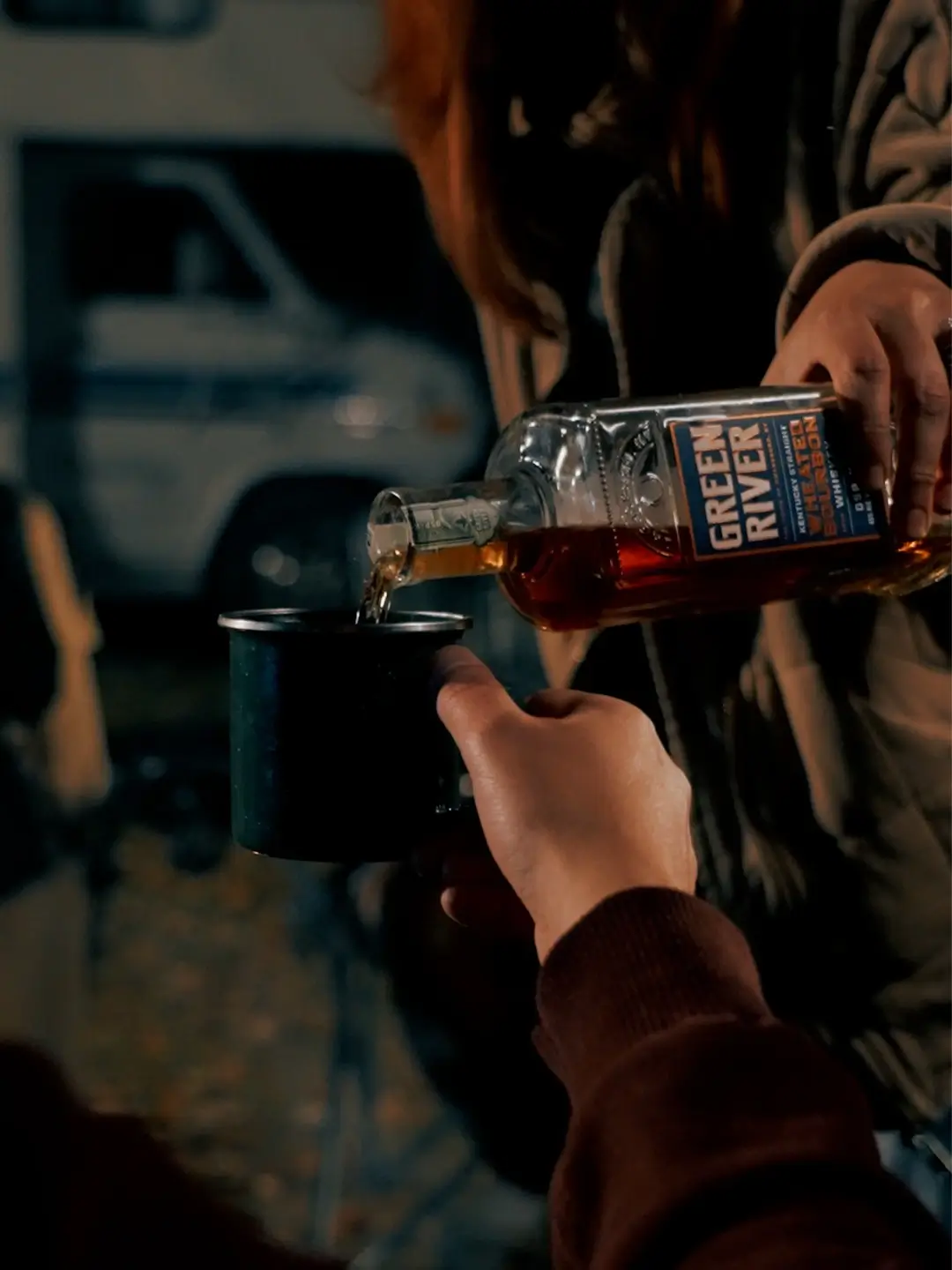
Barrel proof and cask strength are regulated label terms. Both indicate that the bottling proof remains within two points of the whiskey’s proof when it leaves the barrel.
Original proof, original barrel proof, original cask strength, and entry proof have different meanings. These terms may be used when the barrel-entry proof and bottling proof are the same.
Full proof is commonly used as a product or brand term. Green River uses it for barrel-strength expressions bottled without added water, including its 117.3-proof Full Proof Bourbon and batch-based Wheated Full Proof Bourbon. Reading the actual proof and product description tells you more than relying on the front-label phrase alone.
Why We Love Bourbon Straight From the Barrel
Higher proof can carry concentrated aromas and flavors. Depending on the mash bill and barrel, this may bring stronger notes of caramel, spice, fruit, chocolate, vanilla, or oak.
The alcohol also changes how those notes reach your palate. At first, the heat may cover some of the detail. A little water can soften the alcohol and make new aromas easier to notice.
That control is part of the appeal. You can taste the whiskey at its bottled strength, then adjust the glass one drop at a time. Higher proof does not guarantee better bourbon. It simply gives you a more concentrated starting point.


How to Taste and Enjoy High-Proof Bourbon
Start with a small pour. Give it a few minutes in the glass before you lean in for the first smell. Keep your mouth slightly open as you nose it so the alcohol does not overwhelm the aroma.
Take a small first sip and let your palate adjust. On the second sip, look for sweetness, grain, fruit, spice, and oak.
Then add two or three drops of water. Taste again before adding more. There is no prize for drinking a high-proof bourbon neat. The right amount of water is whatever makes the whiskey more enjoyable to you.
Our Favorite Barrel Strength Bourbons Worth Pouring
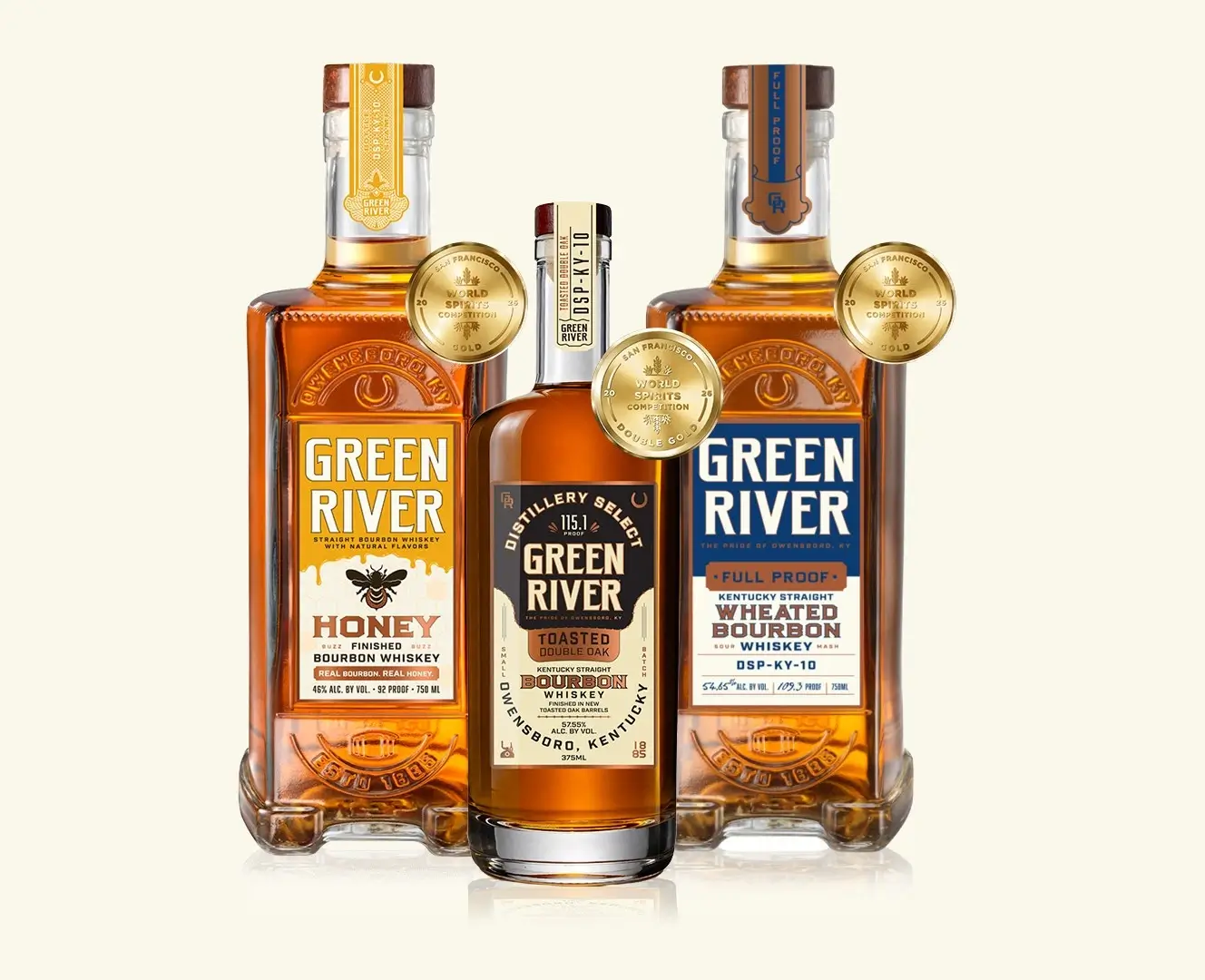
When you come to browse our whiskey, here are a few bottles worth checking out:
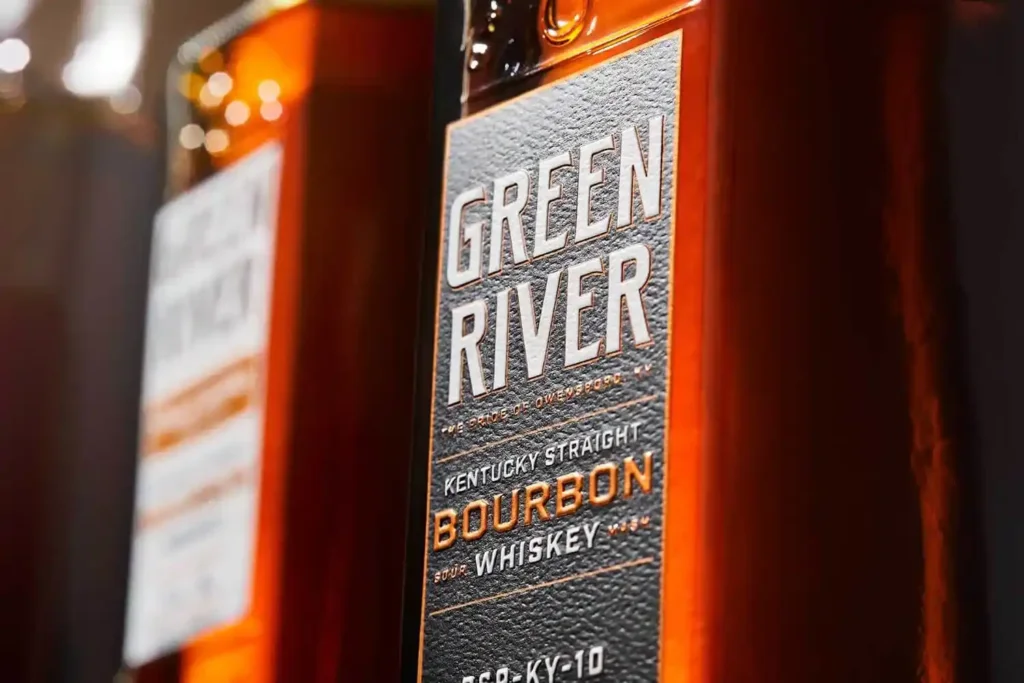
Green River Full Proof Bourbon
This is the high-proof version of Green River’s rye-forward Kentucky Straight Bourbon. It uses a mash bill of 70% corn, 21% rye, and 9% malted barley and is bottled at 117.3 proof.
Expect warming spice, vanilla, caramel, dried cherry, cinnamon, and a touch of mint and leather. The rye gives the pour grip, while the caramel and dark-fruit notes keep it rounded. It works neat, with a little water, or over one large cube.
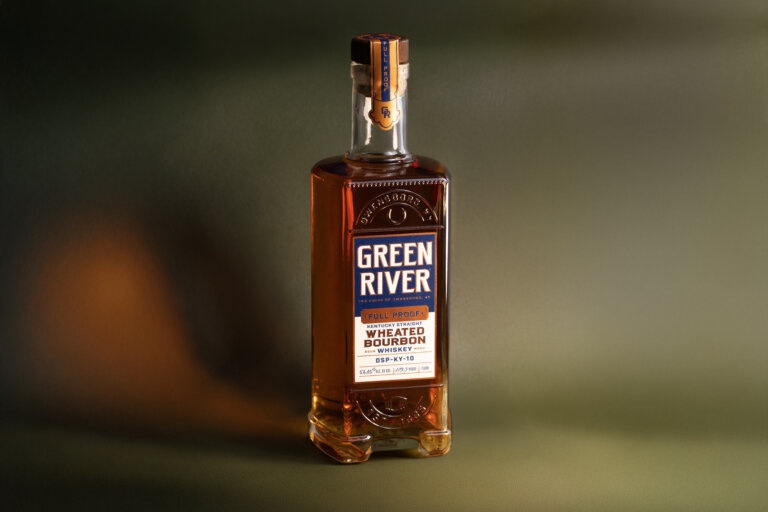
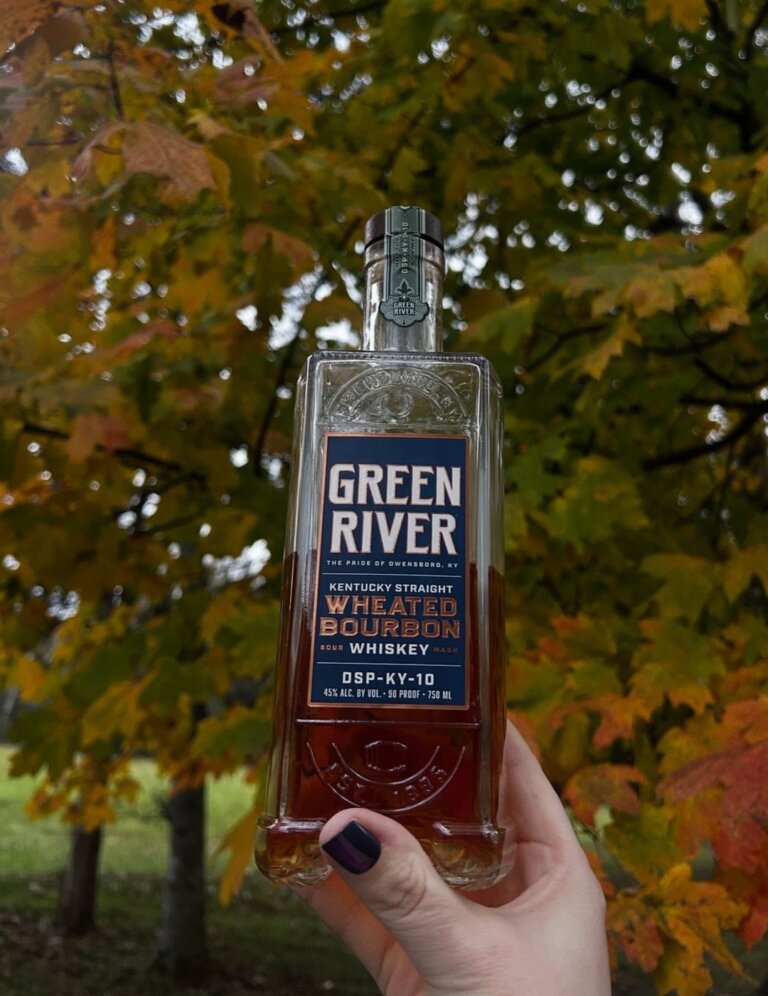
Green River Wheated Full Proof Bourbon
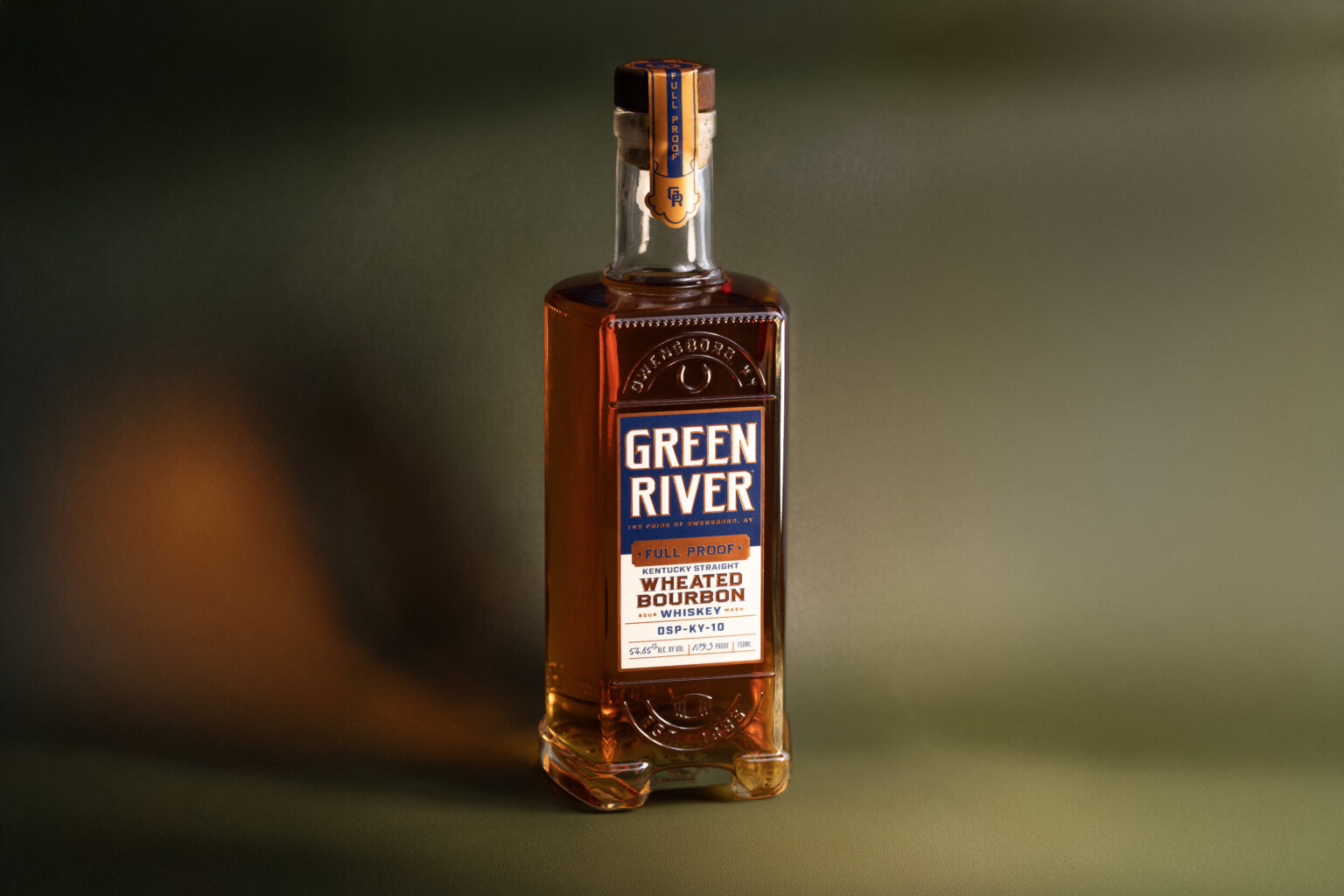
Wheated Full Proof replaces rye with wheat in the secondary grain position. The launch batch was bottled at 109.3 proof, although future batch proofs may vary.
The bourbon uses a mash bill of 70% corn, 21% wheat, and 9% malted barley. Select barrels aged up to seven years bring caramel, tangerine, cinnamon, vanilla crème, and a softer wheat-led finish. Its suggested retail price at launch was $49.99.
Green River Single Barrel Bourbon
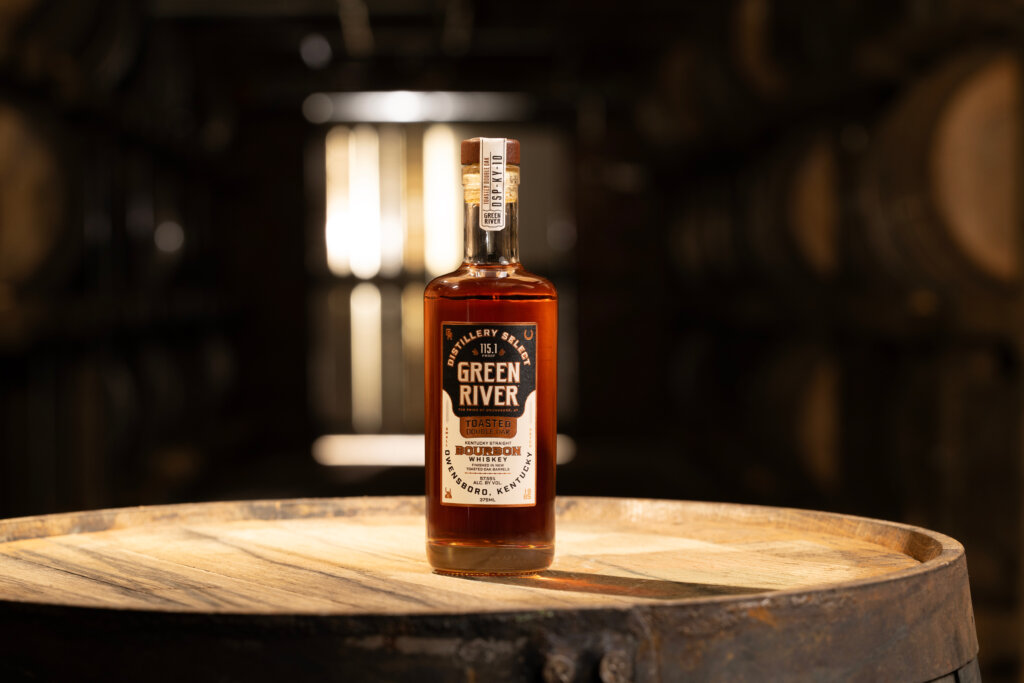
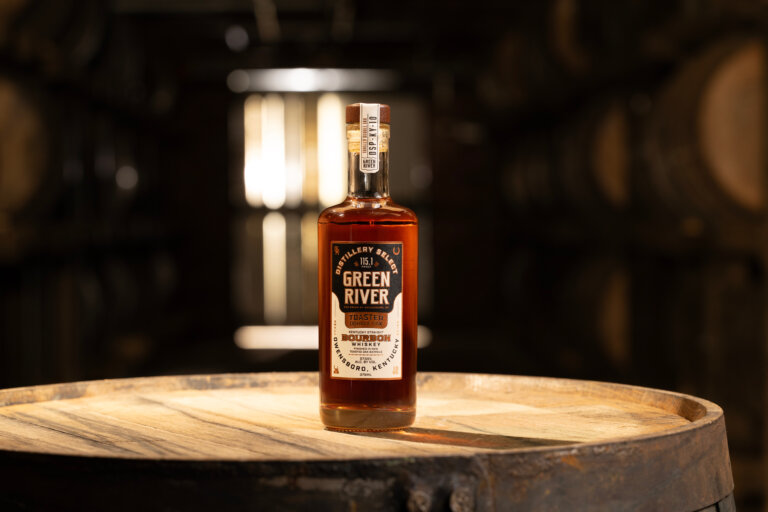
Every single-barrel release comes from one cask, so the proof and flavor naturally vary. Green River’s rye-forward Single Barrel Bourbon is aged for at least five years and bottled at cask strength.
Typical notes include orange peel, spearmint, black pepper, vanilla, graham cracker, herbal tea, and soft oak. Choose this bottle when you want a pour that cannot be reproduced exactly by the next barrel.
Seasoned drinkers who want spice and grip should stay with a high-rye pour like Full Proof or a single-barrel pick.
Mixing Cocktails With Barrel Strength Bourbon
High-proof bourbon can hold its character against sugar, bitters, citrus, vermouth, and melting ice. That makes it especially useful in spirit-forward cocktails.
For a barrel-strength Old Fashioned, start with 2 ounces of bourbon, ¼ ounce of simple syrup, and two dashes of aromatic bitters. Stir with ice, then strain over one large cube. Reduce the syrup slightly when the bourbon already carries plenty of sweetness.
For a Boulevardier, try 1½ ounces of bourbon with 1 ounce each of sweet vermouth and Campari. A longer stir adds enough dilution to bring the drink into balance. See our cocktail recipe blog for more.
How to Choose the Right Barrel Strength Bottle
Begin with flavor rather than the largest proof number. Choose a rye-forward bourbon if you enjoy pepper, mint, and cinnamon, with a firmer finish. Pick a wheated bourbon when you prefer caramel, pastry, fruit, and a rounder texture.
Next, decide between consistency and variation. A small-batch release blends several barrels to create a recognizable profile. A single-barrel bottle captures the character of a single cask, including its individual strengths and quirks.
Finally, check the price, age information, proof, and bottle size together. Scarcity may make a bottle expensive, but it does not automatically make the whiskey better.
FAQs
Is barrel strength whiskey the same as cask strength bourbon?
Yes. Federal rules treat “barrel proof” and “cask strength” alike when the bottling proof remains within two points of the dump proof.
What proof is considered barrel strength?
There is no required minimum. Many expressions fall between 110 and 130 proof, but the qualifying relationship to dump proof matters more.
Should you add water to barrel strength bourbon?
You can. A few drops may soften the alcohol and reveal aromas or flavors that were harder to notice at full strength.
Does higher proof mean better bourbon?
No. Proof measures alcohol concentration. Quality depends on the distillate, maturation, balance, blending, and the whiskey’s taste.
Barrel Strength Is About Choice, Not Bragging Rights
The best cask-strength whiskey does more than just bring heat. It gives you flavor, structure, and control over the final pour.
Taste it at full strength. Add water when it helps. Use ice when that suits the moment. There is no single correct way to enjoy it.
Explore Green River’s full-proof and single-barrel expressions to find the balance of wheat, rye, proof, and barrel character that works for your glass. Please enjoy responsibly.