Walk down the bourbon aisle lately and the prices sting. Bottles that sat on the bottom shelf ten years ago now live behind locked glass. Some cost more than a weekend grocery run. So why is bourbon so expensive? Part of the answer is plain math. Grain, oak, time, and taxes cost money. The other part is hype, and hype adds dollars that have nothing to do with the whiskey.
We make bourbon in Owensboro, Kentucky. We pay the real costs, and we watch the hype from the sidelines. Here’s where the money goes, and where it shouldn’t.
What It Actually Costs Us to Make a Bottle
It starts with grain. Bourbon needs at least 51% corn. Most mash bills, the grain recipe, add rye or wheat and some malted barley. We cook that grain, cool it, and let yeast ferment it for several days before it ever sees a still. Grain prices rise and fall with each harvest. Cooking and distilling eat a lot of energy, too.
Then the barrel. Federal rules, laid out in the TTB Standards of Identity for distilled spirits, say bourbon has to age in new charred oak containers. New. Every single fill. Once a barrel holds bourbon, it can’t hold bourbon again. Scotch distillers, tequila makers, brewers, and hot sauce companies buy those used barrels. Good for them. We buy another new one.
And barrels cost more than they used to. The bourbon boom pushed demand for white oak up while bad weather and slow logging seasons cut the stave supply. Cooperages raised prices. Distillers paid them.
Then add labor, warehouse space, bottling lines, glass, corks, labels, and shipping cases. Nothing glamorous. It all adds up. That’s a big piece of why bourbon is so expensive, and taxes haven’t even entered the picture.
Taxes and the Three-Tier Markup Nobody Talks About
Uncle Sam collects federal excise tax by the proof gallon. One proof gallon equals one gallon of spirit at 100 proof. Stronger whiskey owes more tax per gallon.
Kentucky takes its turn too. For years, the state taxed every barrel sitting in an aging warehouse, every year it sat there. Lawmakers passed a plan in 2024 to phase that tax down over time. State alcohol and sales taxes stack on top. The Kentucky Distillers’ Association tracks how much of each bottle goes to government, and the number tends to surprise people.
Next, the three-tier system. We sell to distributors. Distributors sell to retailers. Retailers sell to you. Each tier adds a markup, and you pay all of them at the register.
Trade fights play a role as well. Overseas tariffs on American whiskey have dented exports more than once. When foreign sales shrink, the pressure shifts back to the home market.
Why Is Aged Bourbon Expensive? Time Isn’t Free
Straight bourbon needs at least two years in oak. Plenty of it sits far longer. All that time, the whiskey earns nothing. We pay for grain, barrels, buildings, insurance, and taxes up front. Then we wait.
The barrel keeps some for itself. Hot Kentucky summers push whiskey deep into the wood, and cold winters pull it back. A few percent evaporates each year. Distillers call that the angel’s share. After a decade, a barrel holds a lot less whiskey than it did on day one. Older bourbon means fewer bottles per barrel. That’s why aged bourbon is expensive, in a sentence.
Then comes the forecasting problem. Whoever fills a barrel today has to guess what people will want to drink four, eight, or twelve years from now. Guess low and shelves go empty. Guess high and warehouses fill with whiskey nobody ordered. Both mistakes cost money.
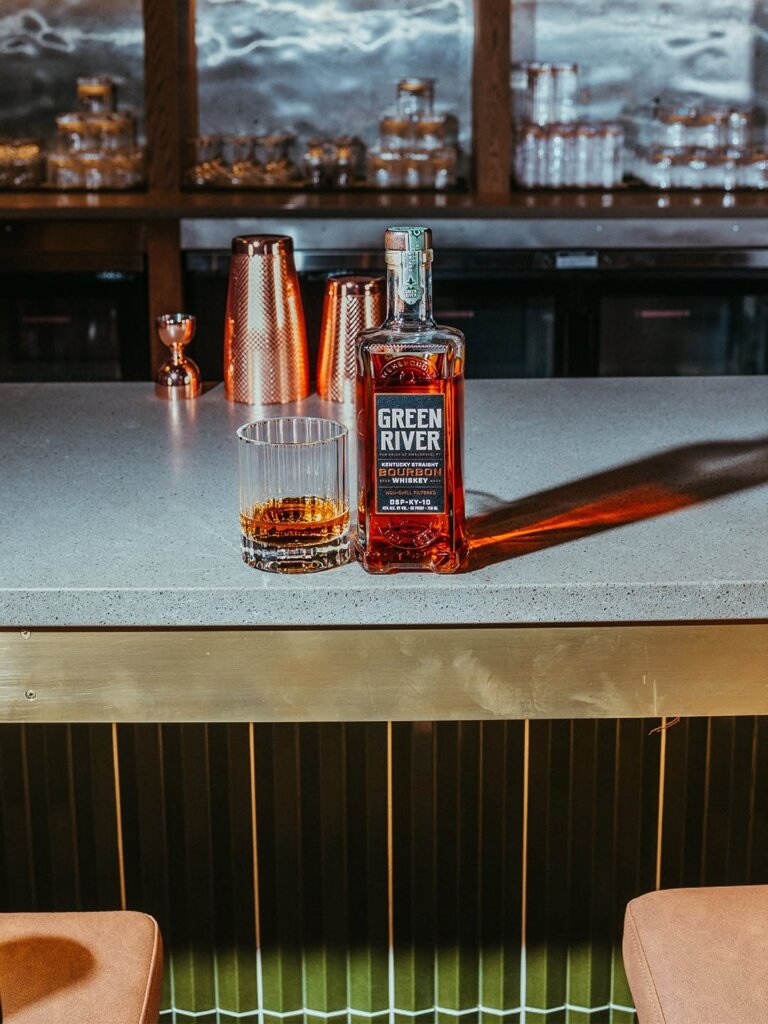
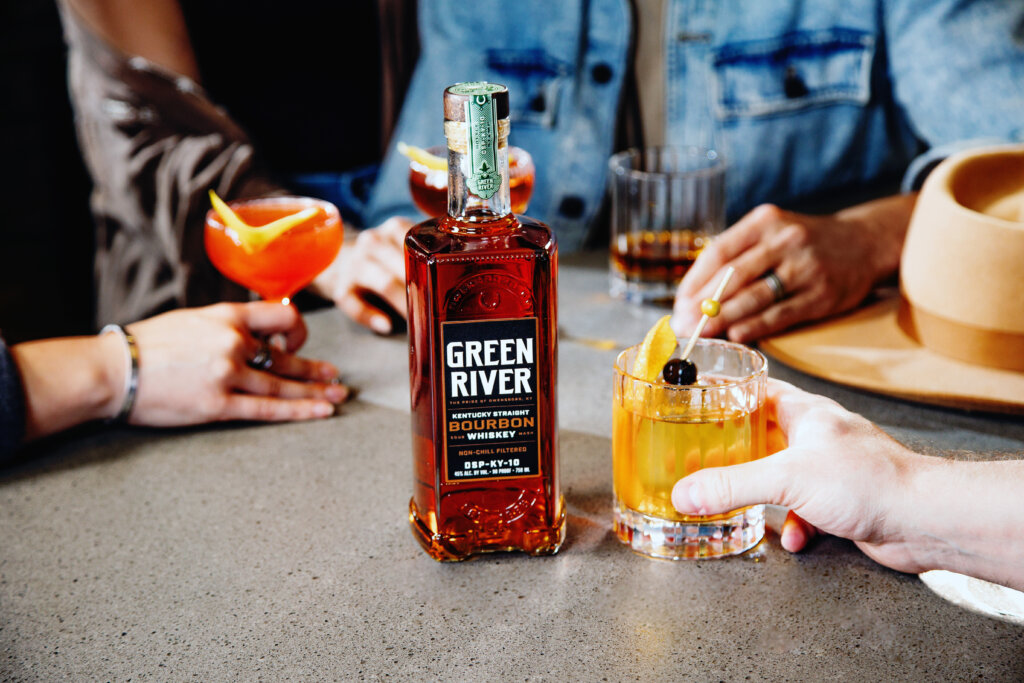
Our Kentucky Straight Bourbon keeps it simple. Real age. Solid proof. Honest price.
The Hype Problem: Limited Releases, Allocation, and Flippers
Demand for bourbon took off faster than aged supply could follow. Whiskey takes years. Thirsty people don’t. That gap started a scramble.
Now some bottles never reach a shelf. Stores allocate them to regulars, run lotteries, or tack on their own markups. Flippers grab those bottles and resell them for several times retail. The whiskey inside stayed the same. The price didn’t.
Packaging plays along. Heavy glass, wax dips, wooden boxes, and “limited” stamps make a bottle look important. Scarcity marketing sells the idea of a bottle more than what’s in it.
Our stance? We skip it. No lottery. No velvet bag. We’d rather put the money into the whiskey and see people open the bottle instead of guarding it. Hype drives a big chunk of why bourbon is so expensive right now, and it’s the one cost drinkers can walk away from.
How Much Does a Bottle of Bourbon Cost Today?
So how much does a bottle of bourbon cost? Depends on the tier. Most bottles fall into a few loose groups:
- Everyday pours: bottles people mix, sip, and replace without much thought.
- Mid-shelf sippers: more age, higher proof, or a different mash bill.
- Special-occasion bottles: single barrels, older age statements, barrel proof.
- Collectibles: allocated releases where hype sets the price.
The average price of bourbon at the liquor store lands closer to the first two groups than the headlines suggest. State taxes and store pricing vary, so the same bottle can cost different amounts across town.
A few things push the price up. Higher proof means more whiskey and more tax in each bottle. More age means more evaporation and more years of storage. Single barrel means bottling one barrel at a time, with more labor and no blending to even things out.
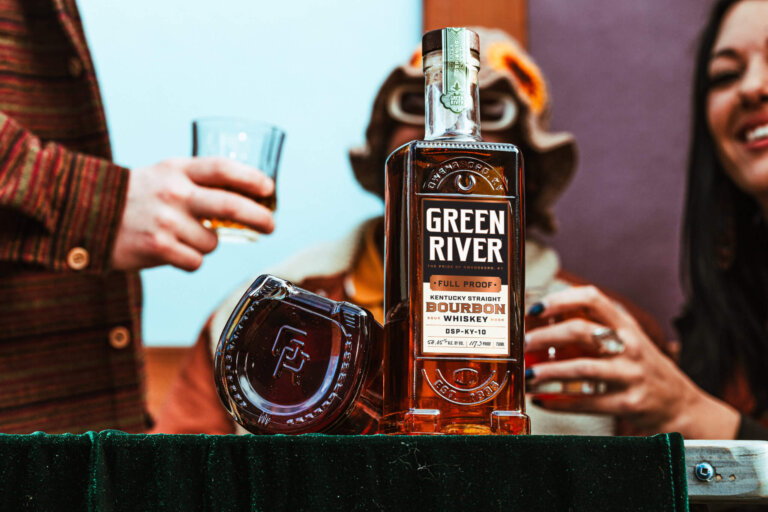
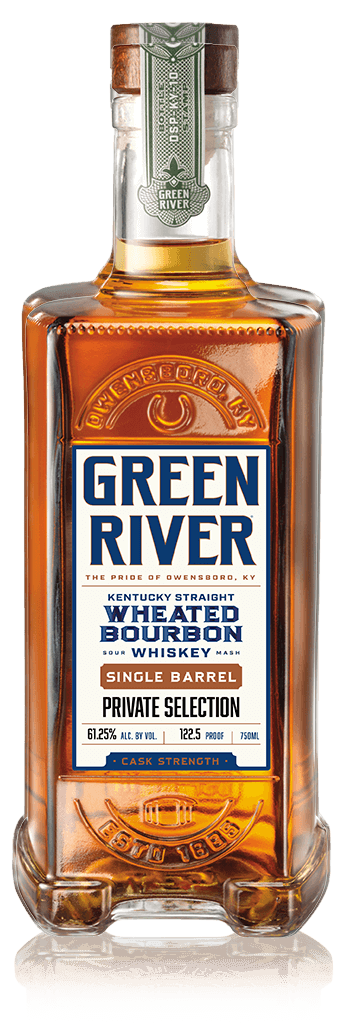
Wheated bourbon swaps rye for wheat, which gives a softer, bready profile, and it usually prices near standard bourbon. Rye whiskey tends to land in a similar range. Full-proof bottlings cost more since they carry more alcohol and skip most of the added water. Our Wheated Bourbon and Full Proof show what those styles taste like without the inflated tag.
Is Expensive Bourbon Worth It? How We Think About Value
Sometimes. A higher price can mean real age, standout barrels, or extra proof. It can also mean a wax seal and a waiting list. The tag tells you what it cost to sell the bottle. The glass tells you what it’s worth.
So taste it. Good bourbon gives you specific flavors: caramel, vanilla, cinnamon, toasted oak, dried cherry, a little black pepper from the rye. If it tastes thin, hot, or flat, a nice label won’t fix that.
We check three things on a label. The age statement tells us how long the whiskey sat in oak. Proof tells us strength. The mash bill shapes flavor more than any box ever will.
Our buying habits stay simple:
- Try a pour at a bar or tasting room before buying the bottle.
- Ignore secondary market prices.
- Work through standard releases before chasing limited ones.
- Shop by flavor, not buzz.
Our case is short. Well-made whiskey at a fair price beats pricey whiskey with a sales pitch. Stop by our Louisville tasting room or Owensboro distillery, pour the lineup side by side, and let the glass settle it.
FAQs About Bourbon Prices
Why is bourbon so expensive compared to other spirits?
Vodka and gin go from still to bottle fast. Bourbon doesn’t. The law demands new charred oak barrels, and straight bourbon needs two years minimum in them. New wood plus waiting time explains why bourbon is so expensive next to unaged spirits.
What is the average price of a good bottle of bourbon?
Plenty of good everyday bourbon sits on the lower and middle shelves. The average price of bourbon shifts by state and store. How much a bottle of bourbon costs rarely needs to hit collector levels for it to taste good.
Does older bourbon always taste better?
No. Age adds oak, and too much oak turns dry and bitter. Balance matters more than a big number. Aged bourbon is expensive because of time and evaporation, not because older means better. Some people love heavy oak. Some don’t. Both are right.
Will bourbon prices go down?
Some signs point that way. Distillers filled more barrels during the boom, and that whiskey keeps coming of age. Some hype has cooled, and certain resale prices have dropped. Nobody can promise lower prices, but the market feels calmer than it did a few years ago.
Is expensive bourbon worth buying as a gift?
Pick for the person, not the price. A single barrel, a full-proof bottle, or a favorite wheated bourbon makes a great gift without paying for hype. Is expensive bourbon worth it as a gift? Only if they’ll enjoy drinking it.
That’s the straight answer. Grain, new oak, years of waiting, taxes, and three tiers of markup make bourbon cost real money. Hype, allocation games, and fancy boxes pile on the rest. Good bourbon doesn’t need a ridiculous price tag. Pour it neat, on ice, or in a cocktail. Your glass, your call. Drink responsibly, and enjoy it.