Whiskey is a distilled spirit. However, questions about it come up more than most people let on, usually a beat before someone orders and doesn’t want to guess wrong. Whiskey sits in a category that trips up plenty of folks who pour it every Friday.
So let’s sort it out. We’ll go through the grain, the aging, and the classifications that turn one word into dozens of bottles on the shelf. This blog covers how whiskey gets its alcohol, what proof means, why the spelling varies across countries, and where bourbon fits in the family.
The Short Answer: Whiskey Is a Distilled Grain Spirit
Whiskey is made through a process called distillation, while wine and beer are made through fermentation. It starts with grain, ferments, then runs through a still that concentrates the alcohol. Then it rests in wood.
Set it next to the other spirits, and it clicks. Vodka, rum, gin, and tequila all go through distillation as well. The base is what changes: rum comes from sugarcane, tequila from agave, and whiskey from grain, all aged in oak.
How Whiskey Gets Its Alcohol: From Grain to Glass
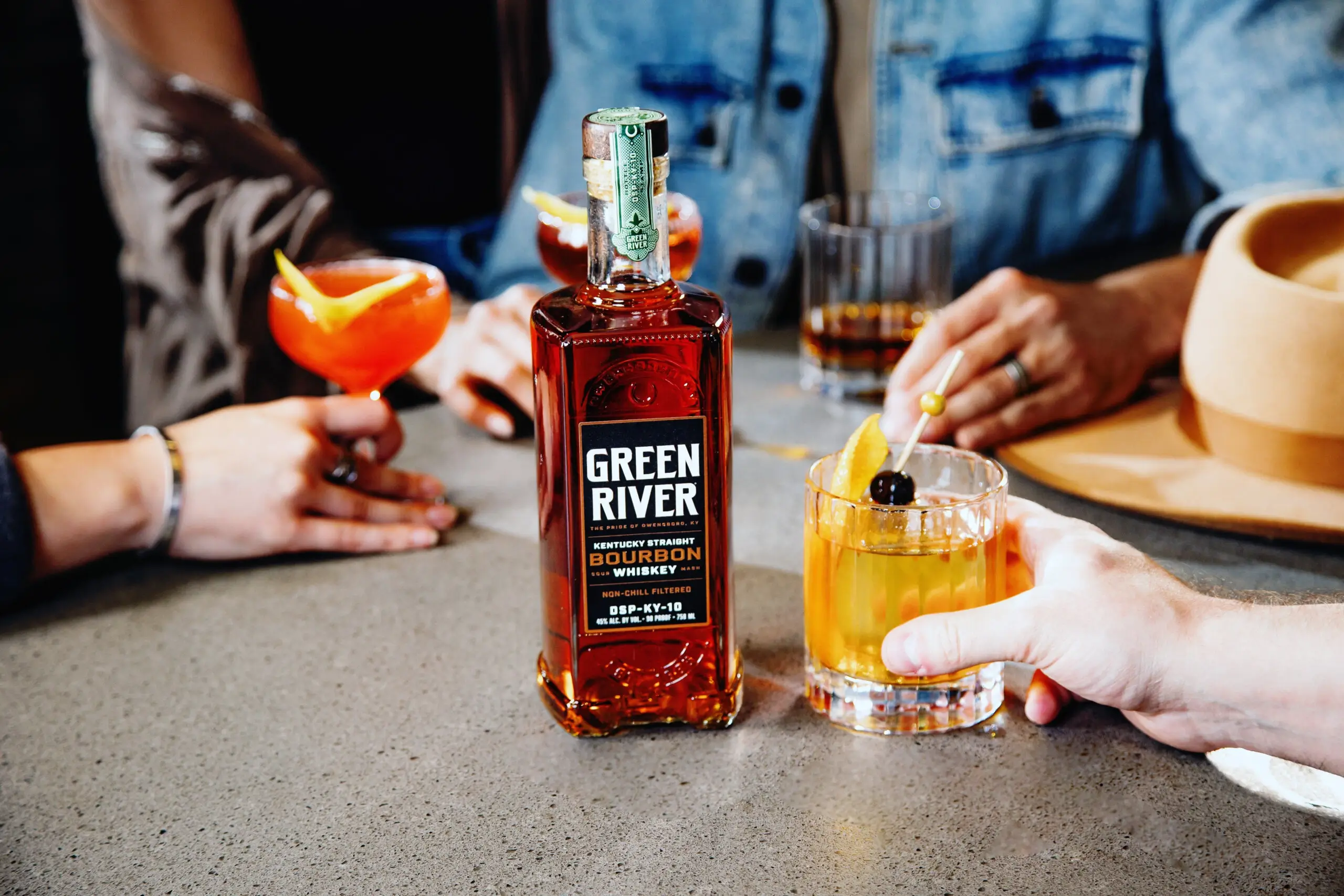
Three simple elements begin the whiskey-making process: grain, water, and yeast. The grain, whether corn, rye, wheat, or barley, provides the sugars needed for fermentation. Water helps bring those ingredients together, while yeast performs the essential work of converting those sugars into alcohol, laying the foundation for the whiskey that follows.
Fermentation turns those grain sugars into alcohol, while distillation concentrates it. Once the spirit comes off the still, it goes into a barrel. That’s where color and flavor build, slowly, over years.
What Proof Actually Means for Whiskey
Proof is easy once you see it. In the United States, proof doubles the alcohol by volume. A whiskey at 45% ABV runs 90 proof. Halve the proof, and you’re back to ABV.
Most whiskey lands between 80 and 100 proof. Full-proof releases go higher because we bottle them closer to barrel strength with less water added. Proof shapes the pour. Higher proof means bigger flavor and a heavier mouthfeel. A splash of water opens it up if that’s your thing.

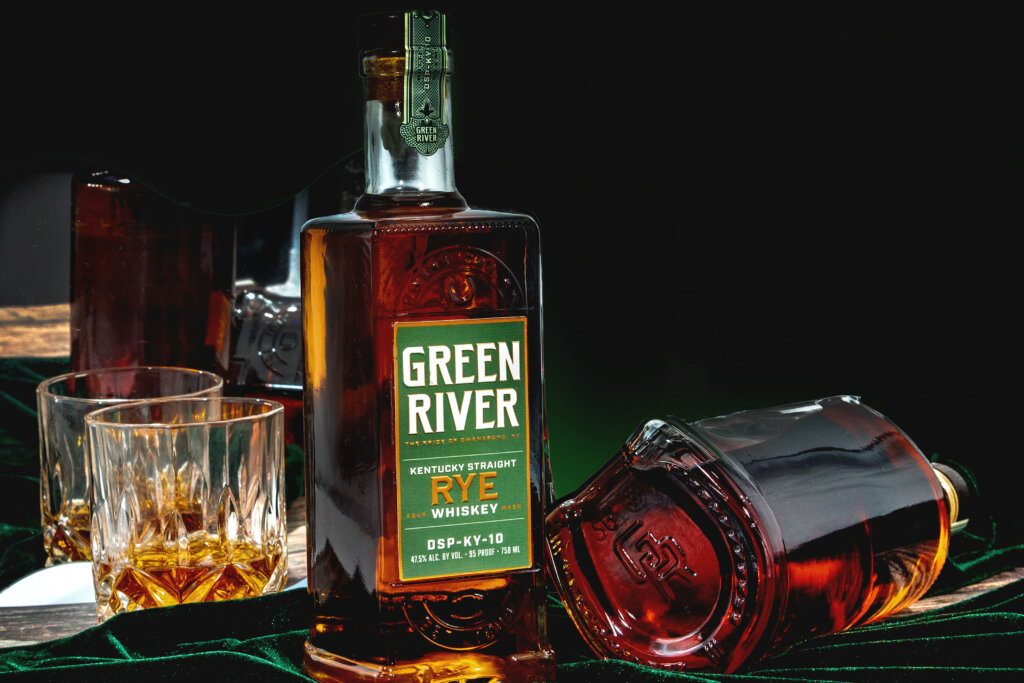
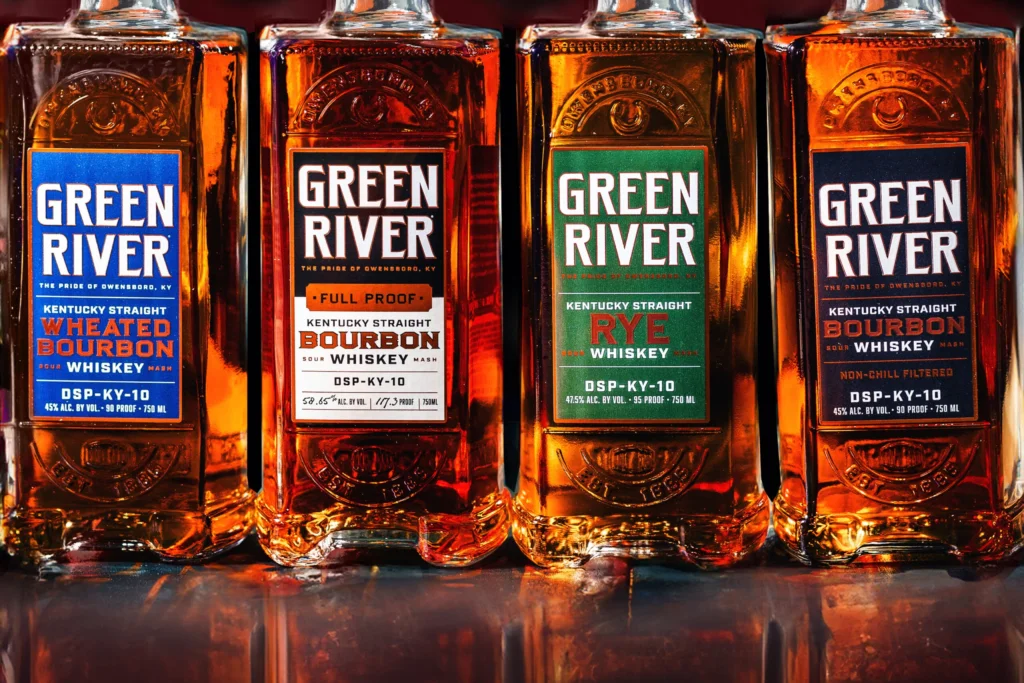
Kentucky Straight Rye

Full Proof Bourbon

Cask Strength
Single Barrel
How Whiskey Gets Classified Into Types
Whiskey gets sorted a few ways. First by grain and mash bill, which is the recipe of grains. Second by region and legal rules, since countries and states write their own standards. Third, by aging and barrel, because time in wood changes everything.
The big four are bourbon, rye, wheated bourbon, and single malt. Bourbon earns the name when it’s made in the United States from a mash of at least 51% corn and aged in new charred oak barrels. Rye whiskey leans on rye grain and brings a spicier, drier edge. Wheated bourbon swaps rye for wheat, softening the whole thing and rounding out the taste.
Where Green River Fits In
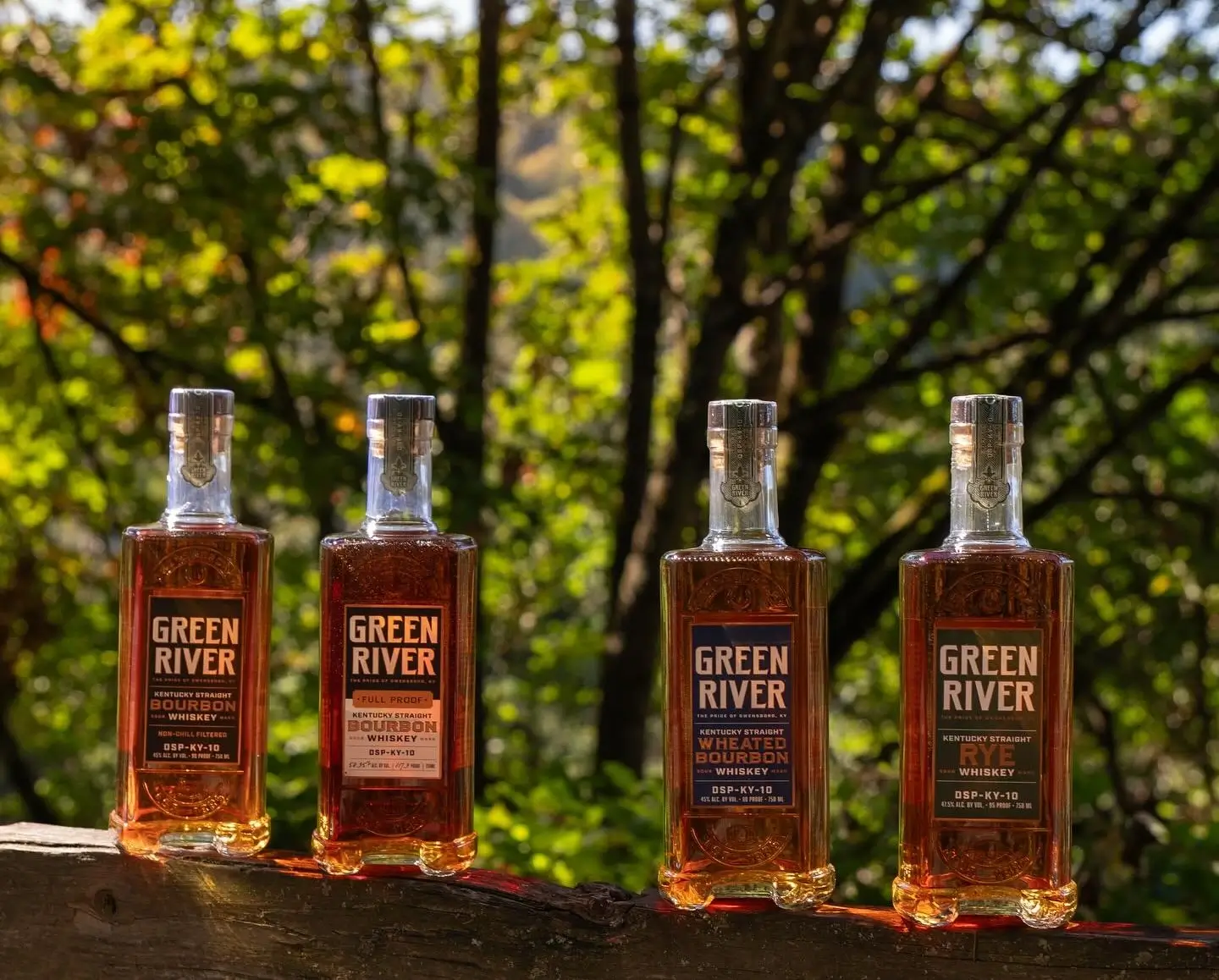
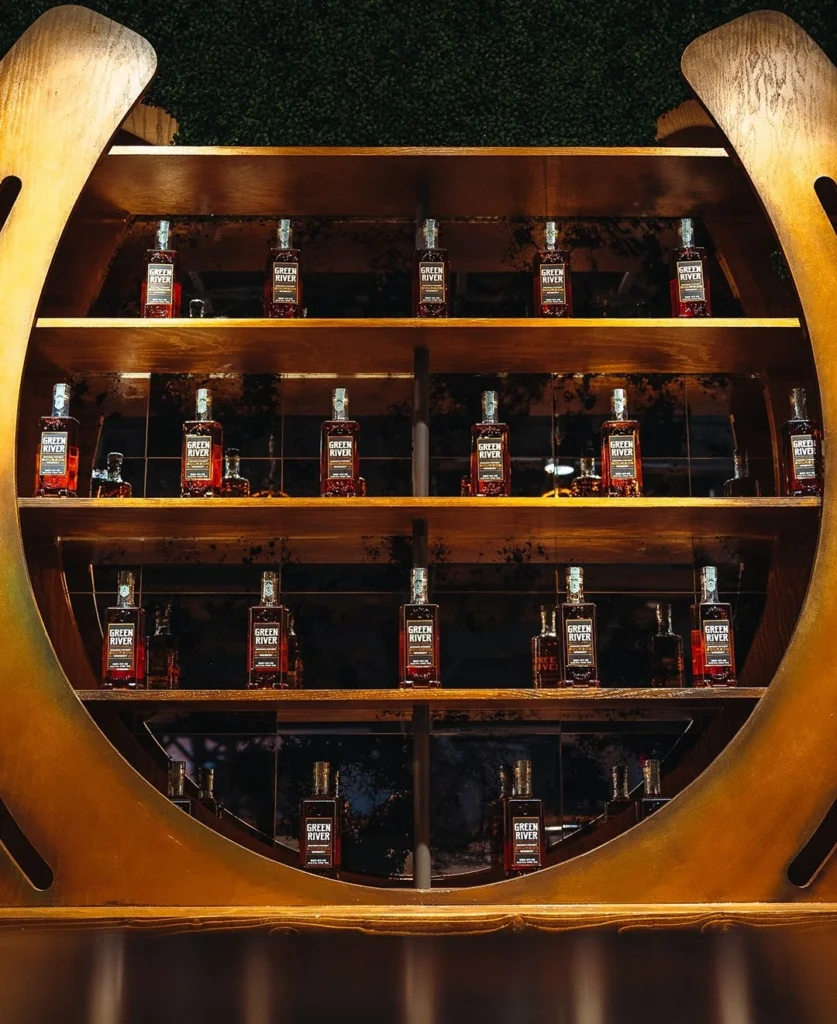
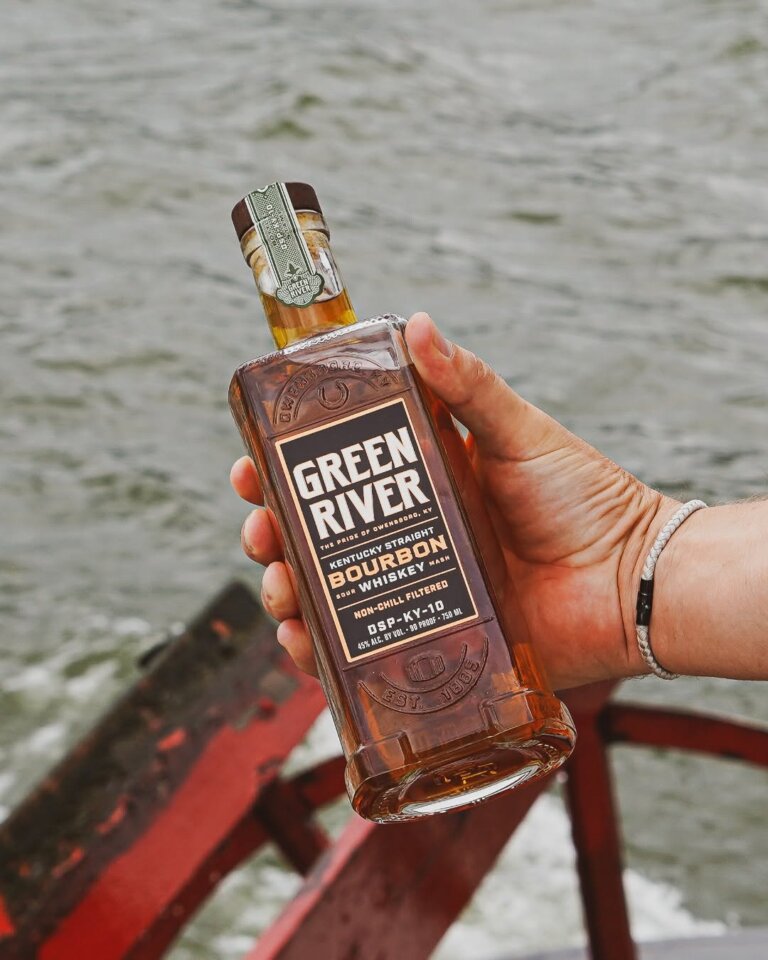
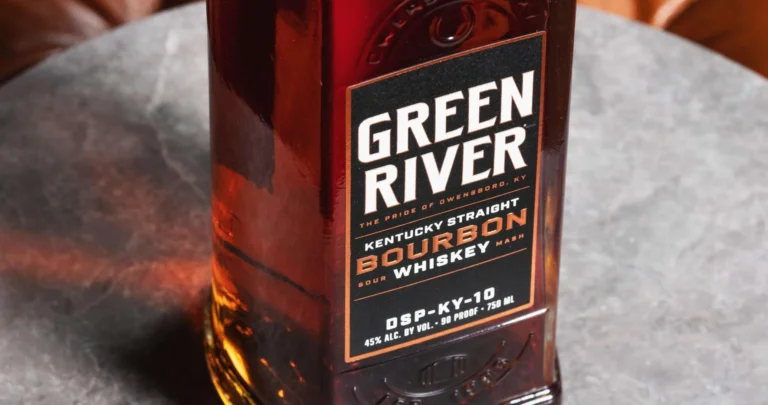
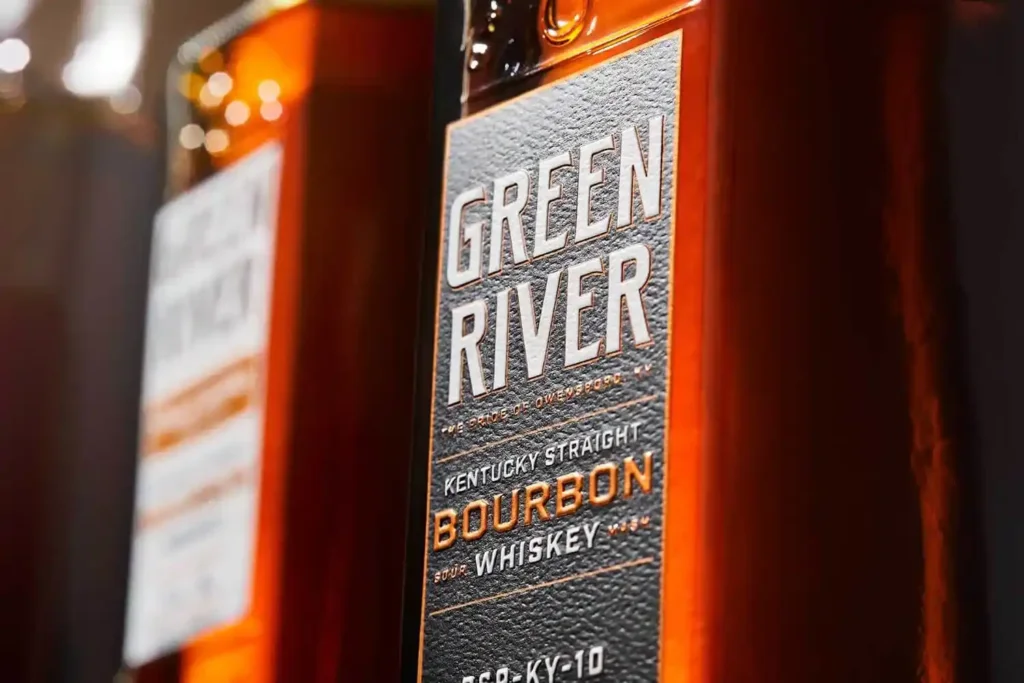
We make Kentucky bourbon at our Owensboro whiskey distillery, on the same site where production started in 1885. Our range covers straight bourbon, wheated bourbon, high-rye, single-barrel, full-proof, and a honey-finished release for something different.
Fair-priced whiskey, no hype. We put the money in the barrel, not the box. If you want the full lineup, our single-barrel expressions are a great place to start.
Frequently Asked Questions
Is whiskey a type of liquor or a wine?
Whiskey is distilled liquor. Wine ferments and stops there. Whiskey ferments, then distills, so it’s a spirit.
What is whiskey made from?
Grain, water, and yeast, plus time in oak. The grain sets the flavor. The barrel finishes it.
Is bourbon a type of whiskey?
Yes. Bourbon is whiskey with specific rules, mainly at least 51% corn and new charred oak barrels.
How strong is whiskey compared to other alcohol?
Most whiskey runs 80 to 100 proof, or 40 to 50% ABV. Beer sits around 5% and wine near 12%. Whiskey pours stronger, so smaller pours go further.
Everything You Need To Know Before Your Next Pour
There it is. Whiskey is a distilled grain spirit, aged in wood, sorted by grain, region, and time. Once you know the type, picking a bottle gets a lot easier.
Come explore our range and taste it yourself. Pour it neat, on ice, or in a cocktail.