The numbers on a whiskey bottle do more than tell you how strong the pour will be. ABV and proof can help you predict intensity, choose a cocktail bottle, and compare expressions from the same distillery. They are also much easier to understand than whiskey marketing sometimes makes them out to be.
This guide explains what kind of alcohol whiskey contains, how ABV converts into U.S. proof, which federal rules shape bourbon, and how different strengths change what happens in your glass.
What Kind of Alcohol Is in Whiskey?
The alcohol in whiskey is ethanol. It begins when yeast converts sugars from grain into alcohol during fermentation. Distillation then separates and concentrates the alcohol, along with flavor compounds produced by the grain, yeast, and production process.
Whiskey must be distilled from a fermented grain mash. In the United States, the general whiskey class is distilled below 190 proof and bottled at no less than 80 proof. Different types, including bourbon, rye, and wheat whiskey, follow additional grain and barrel rules.
The finished bottle contains ethanol, water, and small amounts of compounds that contribute aroma, taste, texture, and color.


ABV vs. Proof: What the Numbers Mean
ABV means alcohol by volume. A whiskey labeled 45% alcohol by volume contains 45% ethanol by volume at bottling.
In the United States, proof is twice the ABV:
- 40% ABV equals 80 proof
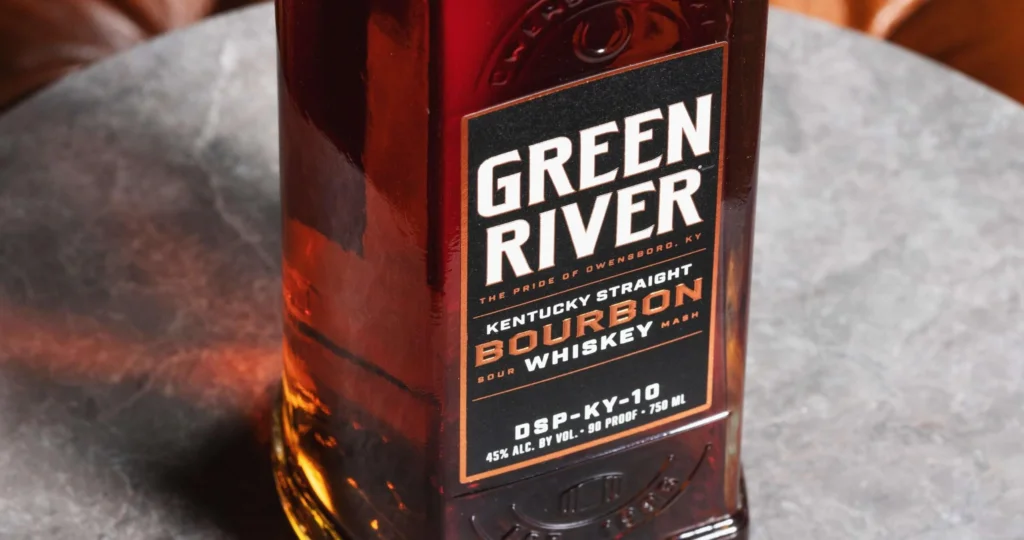
- 45% ABV equals 90 proof
- 50% ABV equals 100 proof
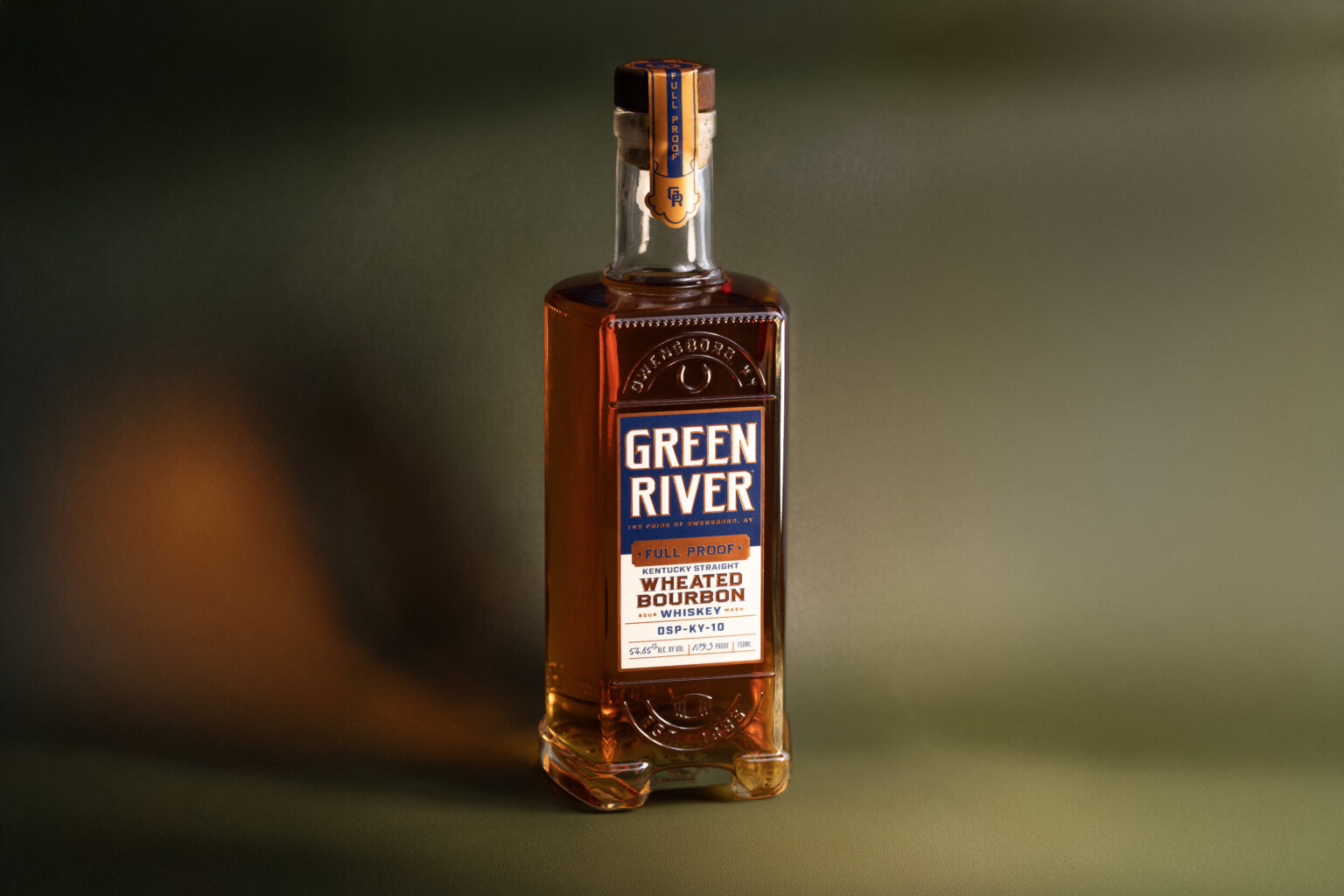
- 54.65% ABV equals 109.3 proof
- 58.65% ABV equals 117.3 proof
Cut the proof number in half, and you have the ABV. Multiply the ABV by two, and you have the proof.
The Legal Limits Every Whiskey Has to Hit
Bourbon has to meet more than a minimum bottling proof. It must be produced in the United States from a fermented grain mash containing at least 51% corn. It may be distilled to no more than 160 proof and must enter new charred oak containers at no more than 125 proof. The finished whiskey must be bottled at 80 proof or higher. Bourbon cannot contain added coloring, flavoring, or blending materials while remaining standard bourbon whiskey.
“Straight bourbon” must spend at least two years in new charred oak. Whiskey aged less than four years generally needs an age statement on its label. The full set of standards is maintained by the federal Alcohol and Tobacco Tax and Trade Bureau, and the alcohol content of whisky is one of the first things they check.
Reading the Proof Range on the Shelf
An 80- to 90-proof whiskey is often an approachable place to begin. Lower alcohol concentration may make it easier to notice sweetness, fruit, grain, and oak without as much heat.
At 100 proof, the whiskey usually has greater weight and intensity while remaining predictable in strength.
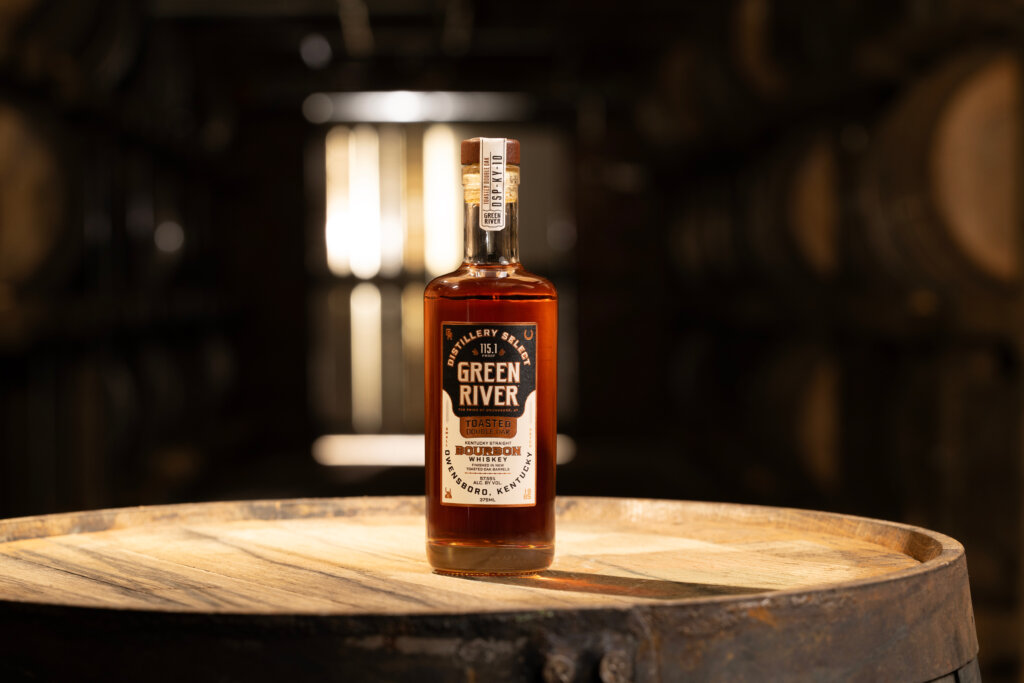
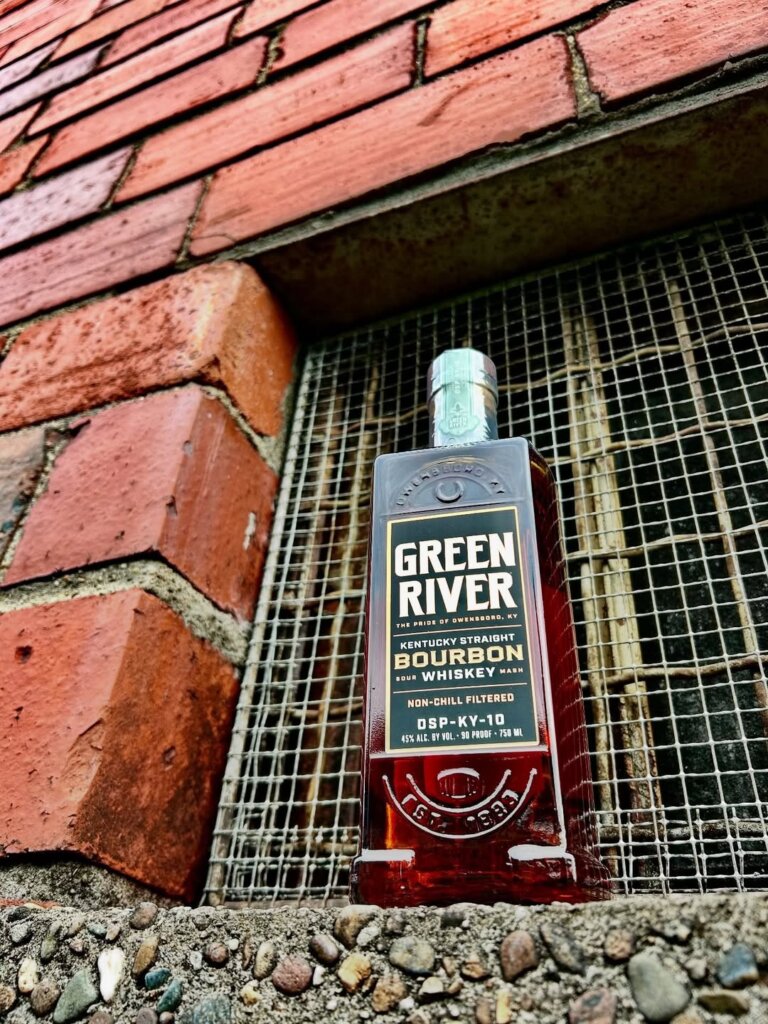
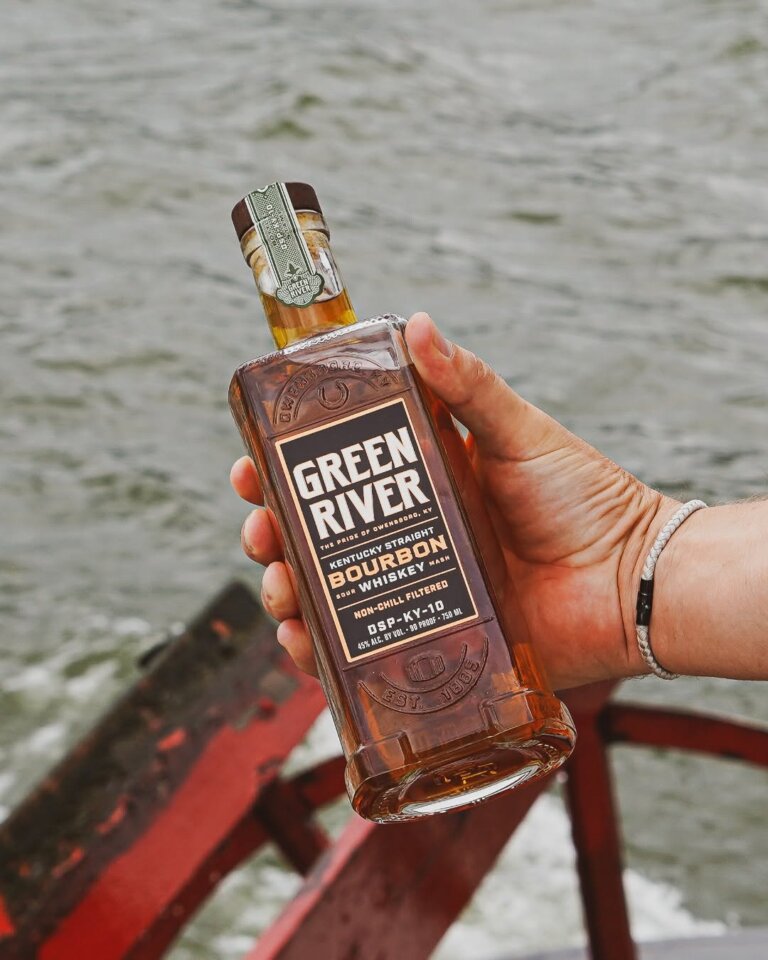
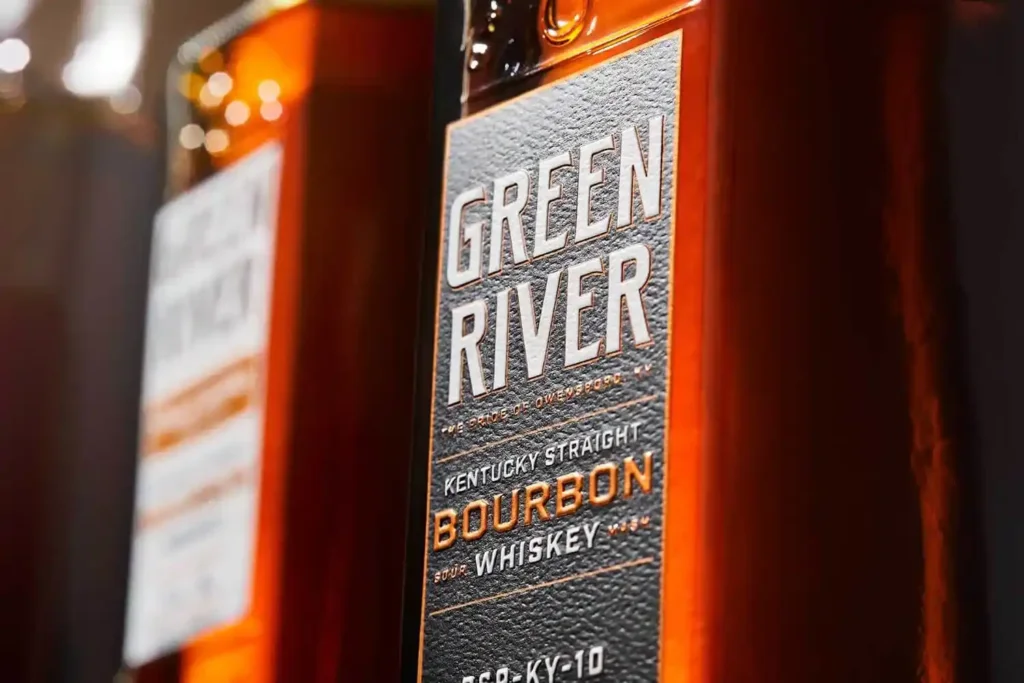
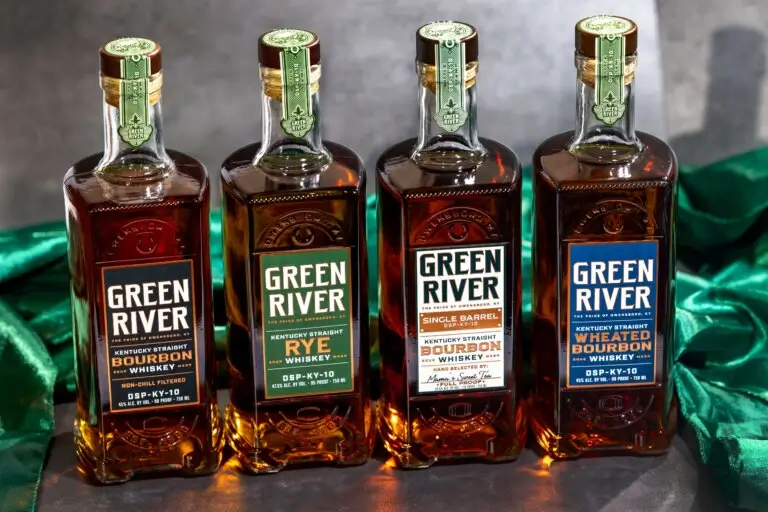
Full-proof and cask-strength bottles may climb well beyond 100 proof. Green River’s standard bourbon and wheated bourbon are both 90 proof. Its Wheated Full Proof launched at 109.3, while its rye-forward Full Proof Bourbon is bottled at 117.3 proof.
How Proof Changes the Way You Drink It
Proof influences aroma, texture, heat, and how whiskey interacts with other ingredients.
A lower-proof bourbon may feel softer when served neat. Ice cools the whiskey and gradually lowers its proof as it melts. A small amount of water can do the same more precisely.
In cocktails, higher-proof bourbon often remains easier to taste after dilution from ice, sugar, citrus, vermouth, or other mixers. That does not mean the highest-proof bottle is always the right choice. A balanced cocktail depends on the whiskey’s flavor profile as much as its strength.
When tasting several bottles, begin with the lowest proof and work upward.
FAQs
What is the average alcohol content of whisky?
Most whiskey sits around 40 to 46% ABV, which is 80 to 92 proof. That range covers the bulk of what you see on the shelf.
Is bourbon stronger than regular whiskey?
Not by default. Bourbon follows the same 80 proof minimum. Some bourbons run hot, but so do plenty of other whiskeys. Strength comes down to the bottle, not the category.
What does bottled-in-bond mean for proof?
Bottled-in-bond means the whiskey is exactly 100 proof, made by one distiller in one season, and aged at least four years in a federally supervised warehouse. The proof is set by law.
Can you lower a whiskey’s proof at home?
Yes. Add a little water or a cube of ice. That drops the proof in your glass and often makes a hot pour easier to enjoy. It is your whiskey. Pour it your way.
How ABV And Proof Can Guide Your Whiskey Experience 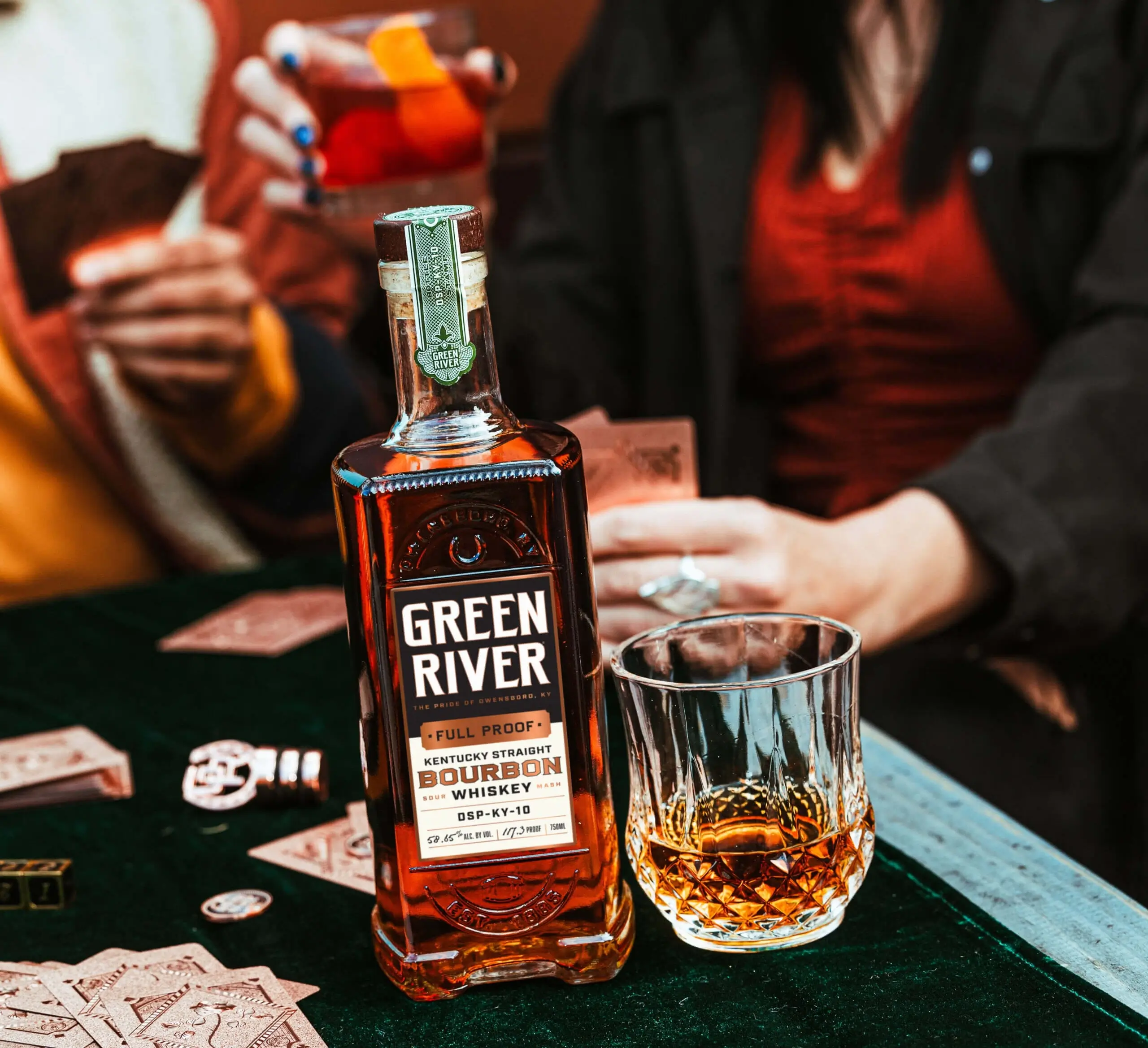
Proof tells you how much alcohol is in the whiskey. It cannot tell you whether the spirit is mature, balanced, flavorful, or worth its price. An excellent 90-proof bourbon may offer more detail and pleasure than a poorly balanced 120-proof bottle. The reverse can also be true.
Use proof to set expectations. It can help you decide how large a pour to serve, whether to add water, and which whiskey may stand up best in a cocktail. Let your palate decide the rest.
Explore our bourbon range and pour something you genuinely like.