A lot of people use bourbon and whiskey like they mean the same thing.
We get why that is. They’re often shelved together, served the same way, and talked about interchangeably in casual conversation. However, once you start paying closer attention, the difference between the two actually tells you a lot about what you’re about to taste.
The simplest way to start the bourbon vs whiskey conversation is this: whiskey is the bigger category, and bourbon is one style within it.
That small distinction clears up a lot, especially when people also start comparing bourbon with scotch and wondering why one pour tastes sweeter while another leans smoky or dry.
By the end of this blog, the difference between whiskey and bourbon should feel a lot less confusing and a lot more useful when you’re deciding what to drink.
Whiskey Is The Category And Bourbon Is One Type Of It
The easiest way we explain whiskey vs bourbon is by thinking of whiskey as the umbrella category. Under that umbrella, you’ve got bourbon, rye, Irish whiskey, Japanese whisky, and scotch. So bourbon is not separate from whiskey. It belongs inside the whiskey family.
This is where most confusion starts. Labels usually say bourbon or rye on the front, so newer drinkers often assume they’re entirely different spirits.
In the bourbon vs whiskey conversation, bourbon is simply one more defined branch of the larger category. Once that clicks, the rest starts to fall into place pretty naturally.
The Difference Between Whiskey and Bourbon Comes Down to Production Rules
The real difference between whiskey and bourbon comes down to how it’s made.
Whiskey as a whole can be produced in different countries using different grains and aging methods, while bourbon has stricter rules. To be called bourbon, it must be made in the United States, use a mash bill that contains at least 51 percent corn, and be aged in new charred oak barrels.
Those aren’t just technical standards for legal labeling. They shape what you actually experience in the glass. Corn brings sweetness, fresh charred oak brings notes of vanilla, caramel, toasted sugar, cinnamon, and a warm oak finish.
That’s why the difference between whiskey and bourbon matters to drinkers, not just distillers. It changes the pour in a way you can actually taste.
Flavor Is Where Bourbon Starts to Feel Different From Other Whiskeys

This is where the conversation gets more interesting. In the comparison between whiskey and bourbon, bourbon often feels sweeter, rounder, and more full-bodied.
A lot of that comes from the corn-heavy mash and the use of new oak. The result is usually a smooth pour with caramel, vanilla, warm spice, toasted wood, and sometimes dried fruit notes. Other whiskeys may feel different on the palate. Some feel grainier, drier, peppery, or more cereal-forward depending on the grains and where they’re made.
That’s why flavor is often the easiest way for people to understand the difference between whiskey and bourbon. One isn’t better than the other; they just offer different experiences.
Bourbon and Scotch May Both Be Whiskey, But They Do Not Taste The Same
This is where the whiskey vs scotch taste becomes one of the most common questions.
Yes, scotch is whiskey, but it follows its own traditions in Scotland, and the drinking experience can feel very different.
Bourbon usually leans sweeter, richer, and more vanilla-and-caramel-forward. Scotch often moves toward malt, earth, dried fruit, or smoke, depending on the region.
If you like sweetness, warmth, and a softer oak-driven profile, bourbon often feels more approachable. If you enjoy malt, smoke, or a drier finish, scotch may be more your style.
Understanding that difference helps you choose based on palate rather than label.
Why Kentucky Bourbon Feels More Distinct Once You Understand What Bourbon Is Supposed to Be
Once you understand what bourbon is supposed to be, Kentucky bourbon starts to stand out even more.
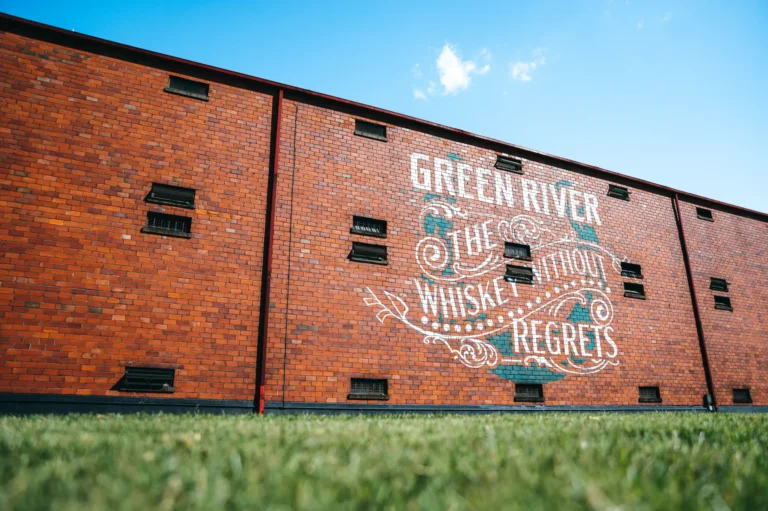
The place matters, so does the continuity. Green River is a great example of a Kentucky bourbon that captures the spirit’s very essence. It’s made in Owensboro, Kentucky, on the same grounds as the original 1885 distillery, using local grains with distilling and aging done onsite.
That heritage gives real context on how a good Kentucky bourbon still feels distinct from other categories of whiskey.
Green River as a Practical Example of What Bourbon’s Standards Can Deliver
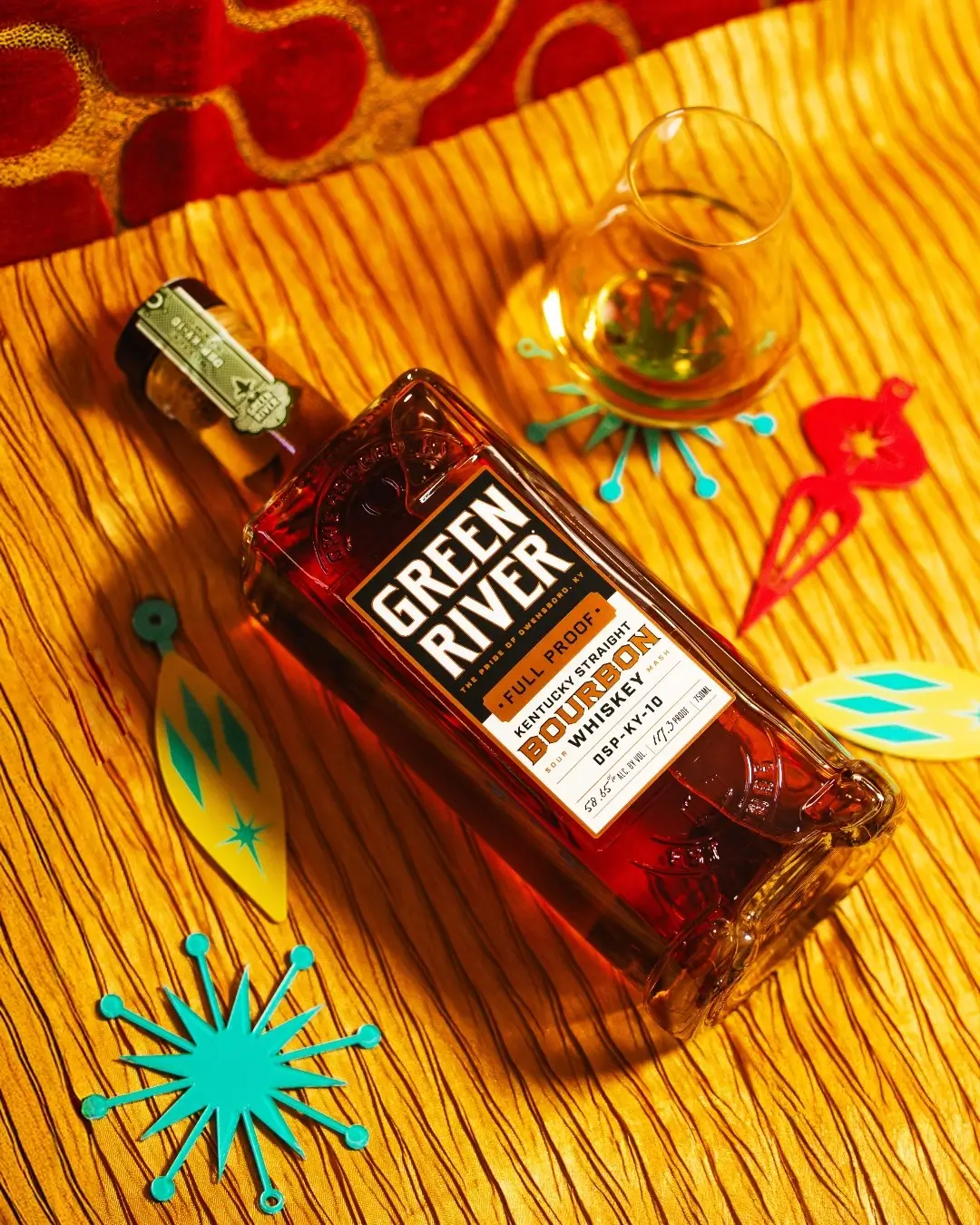
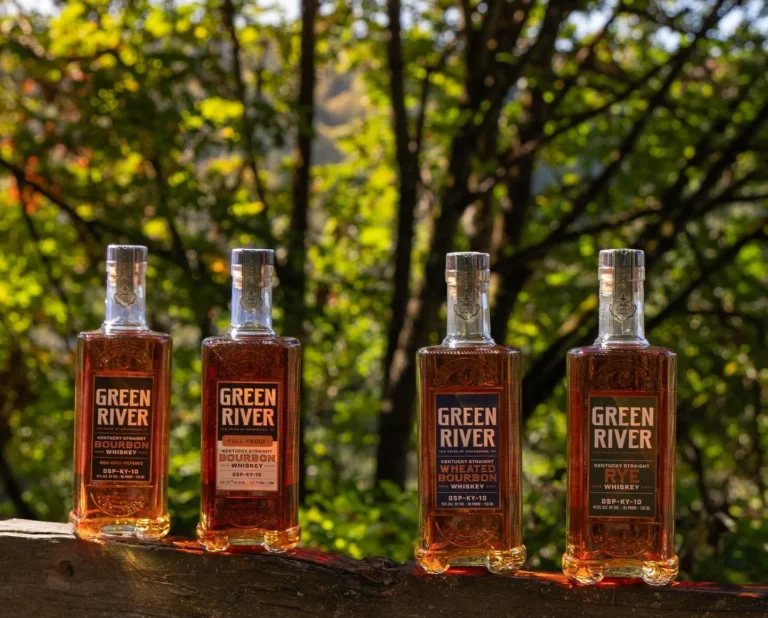
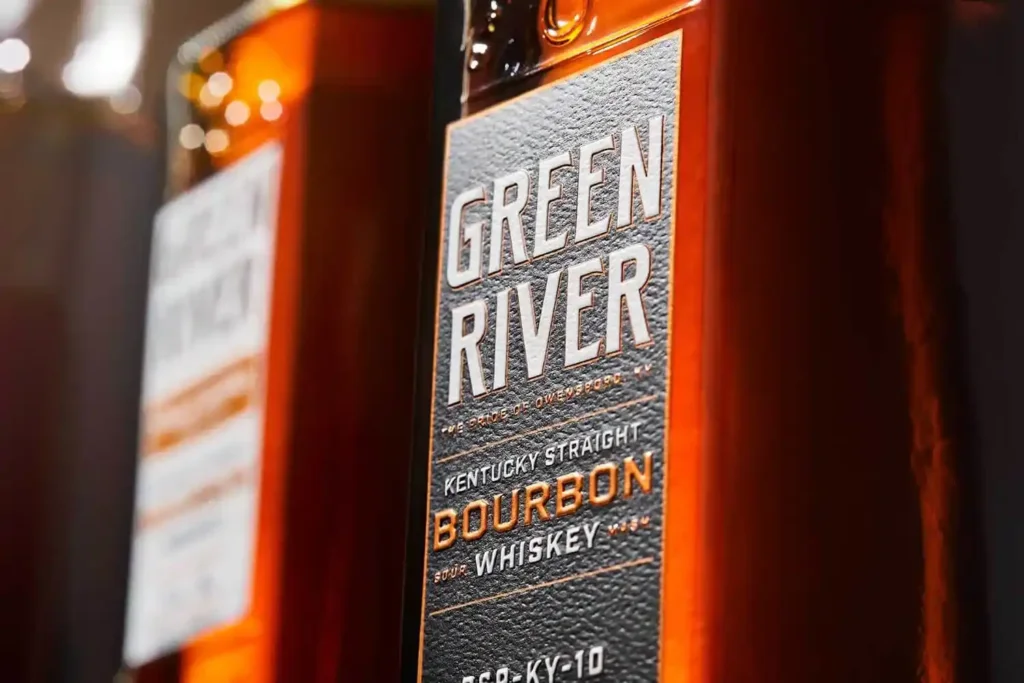
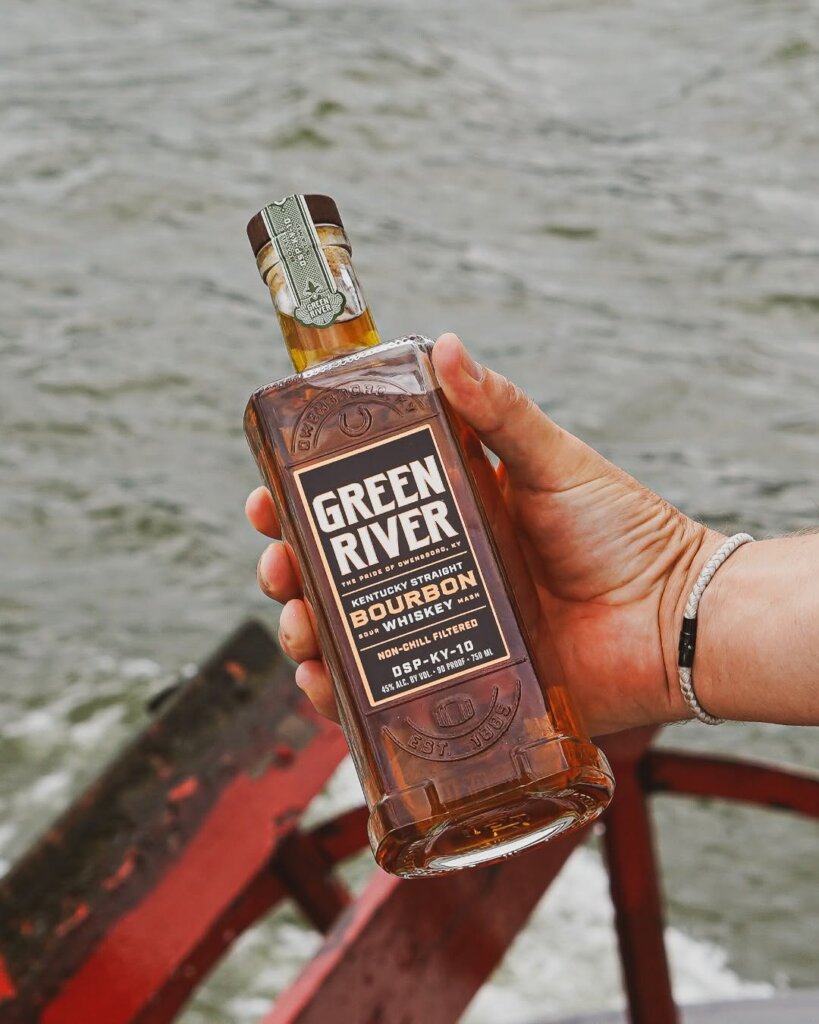
A good way to understand bourbon standards is to taste them in action. Green River Kentucky Straight Bourbon offers warming spice, vanilla, caramel, cinnamon, dried cherry, and a light leather note.
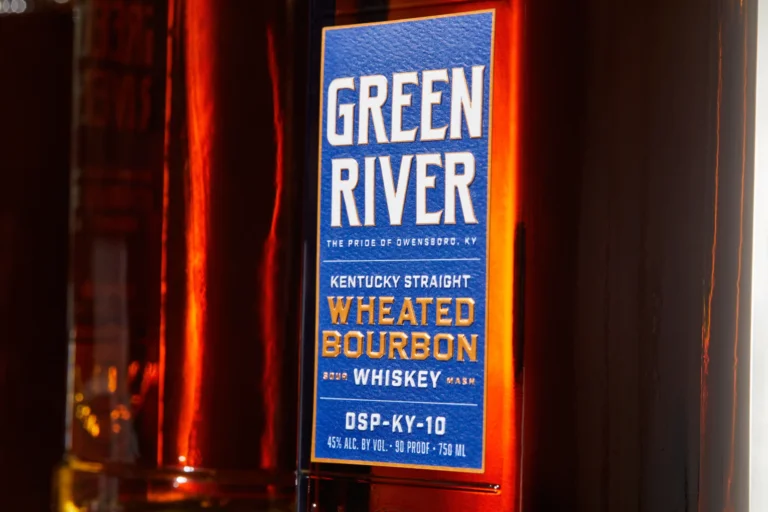
The Wheated Bourbon softens things with peach, apricot, caramel, pastry, hazelnut, and a honeyed finish. If you want to understand grain contrast, the Straight Rye gives you orange peel, spearmint, black pepper, vanilla, and graham cracker.
That contrast makes the difference between whiskey and bourbon much easier to understand in a real, sensory way.
 Kentucky straight bourbon
 Kentucky wheated bourbon
 Kentucky
The More You Understand Bourbon, the More Intentionally You Can Choose Your Whiskey
At the end of the day, bourbon is whiskey, but just a more specifically defined one. That’s what makes the bourbon vs whiskey conversation worth understanding.
Those rules shape sweetness, body, oak, spice, and overall character, and once you understand that, the comparison between different types of whiskeys stops feeling abstract and starts feeling intuitive.
If you want to taste what true Kentucky bourbon is meant to be, Green River remains one of the clearest examples of how heritage, grain, and barrel work together in the glass.
Ready to taste the difference for yourself? Explore Green River’s whiskey lineup and find the pour that fits your palate, from smooth Kentucky bourbon to a spice-forward rye.