Two bottles of Kentucky bourbon can sit side by side on the same shelf and taste nothing alike once they hit the glass. One pours soft and sweet, while the other brings pepper and heat. When we compare bourbons, we rely on three simple tools: mash bill, proof, and price. Together, they explain most of what separates Kentucky bourbon brands, including ours.
This blog includes the rules every bourbon follows, how grain and proof shape flavor, what drives the sticker price, and an easy way to taste bottles side by side at home.
The Rules Every Kentucky Bourbon Plays By
Every bourbon follows the same federal rulebook. The mash needs at least 51% corn, the spirit ages in new charred oak containers, and nothing goes in afterward except water. Distillers can make bourbon anywhere in the country, but Kentucky has an edge. Our limestone water strips out iron and carries minerals that yeast likes, and our hot summers and cold winters push whiskey in and out of the barrel wood every year.
We’ve drawn on that water in Owensboro since 1885, and our distillery story starts there. Grain choice, yeast, char level, and warehouse location still vary from one distillery to the next, so two bourbons that follow the same law can have very different personalities.
Mash Bill: Where the Flavor Starts
A mash bill is the grain recipe behind a bourbon, the list of grains and percentages a distiller cooks and ferments before anything reaches the still. Corn leads every bourbon recipe, bringing sweetness and a round, oily body that coats the tongue.
The other grains, usually malted barley plus rye or wheat, steer the flavor from there, which is why we put the mash bill at the top of our list when we explain how to compare bourbons.
High-Rye vs. Wheated Bourbon
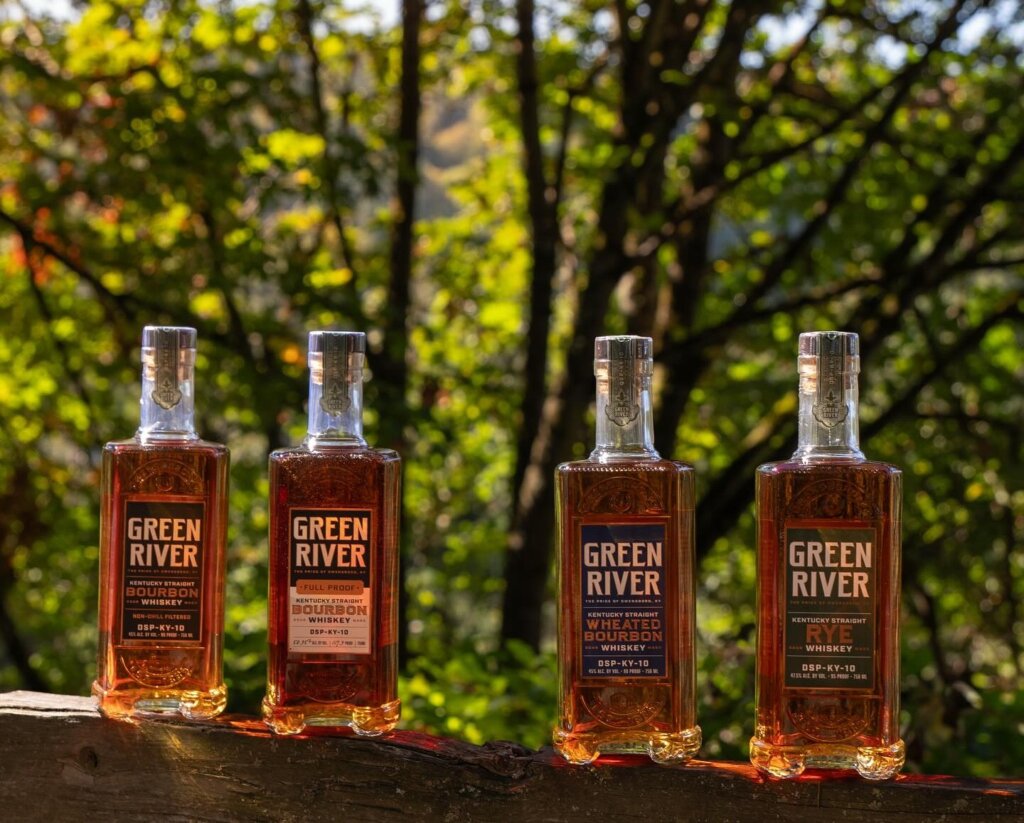
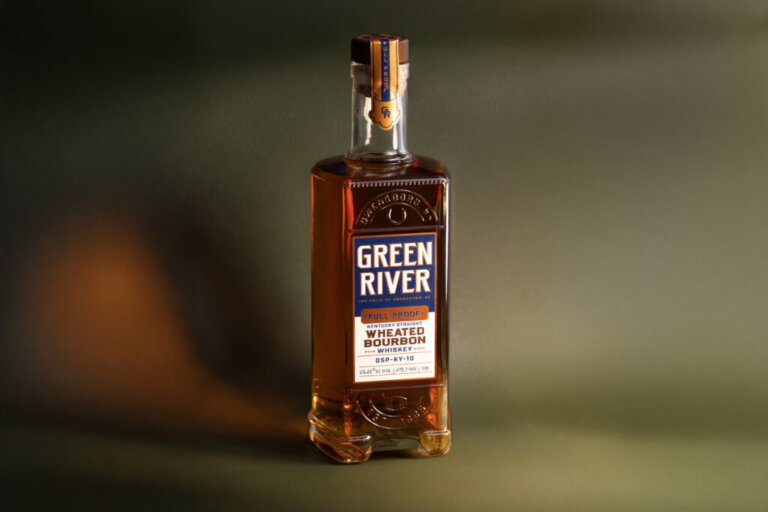
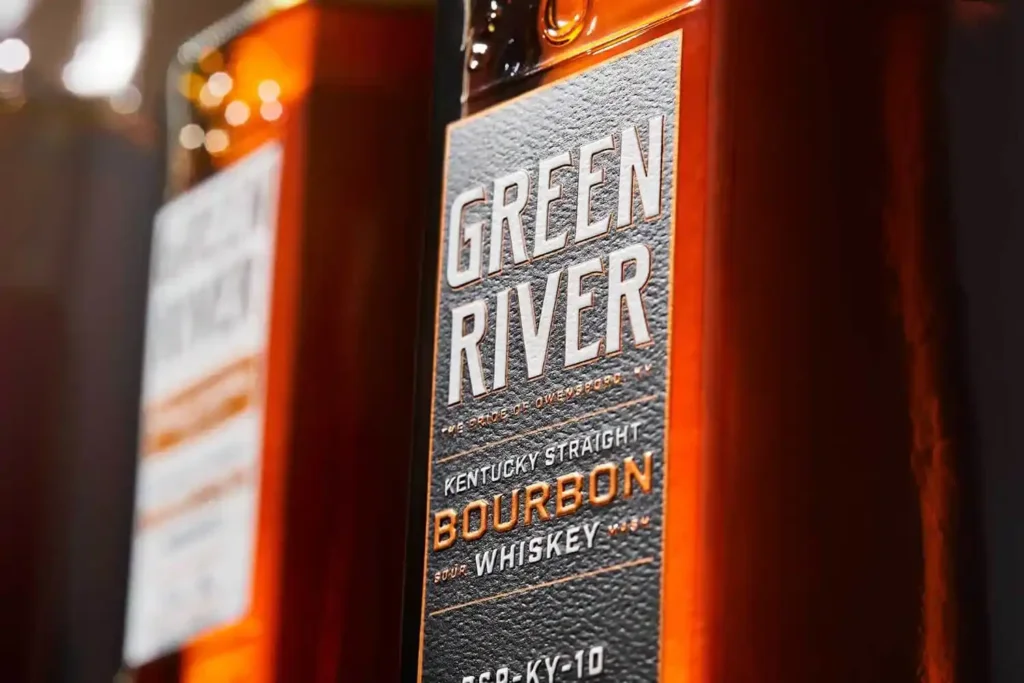
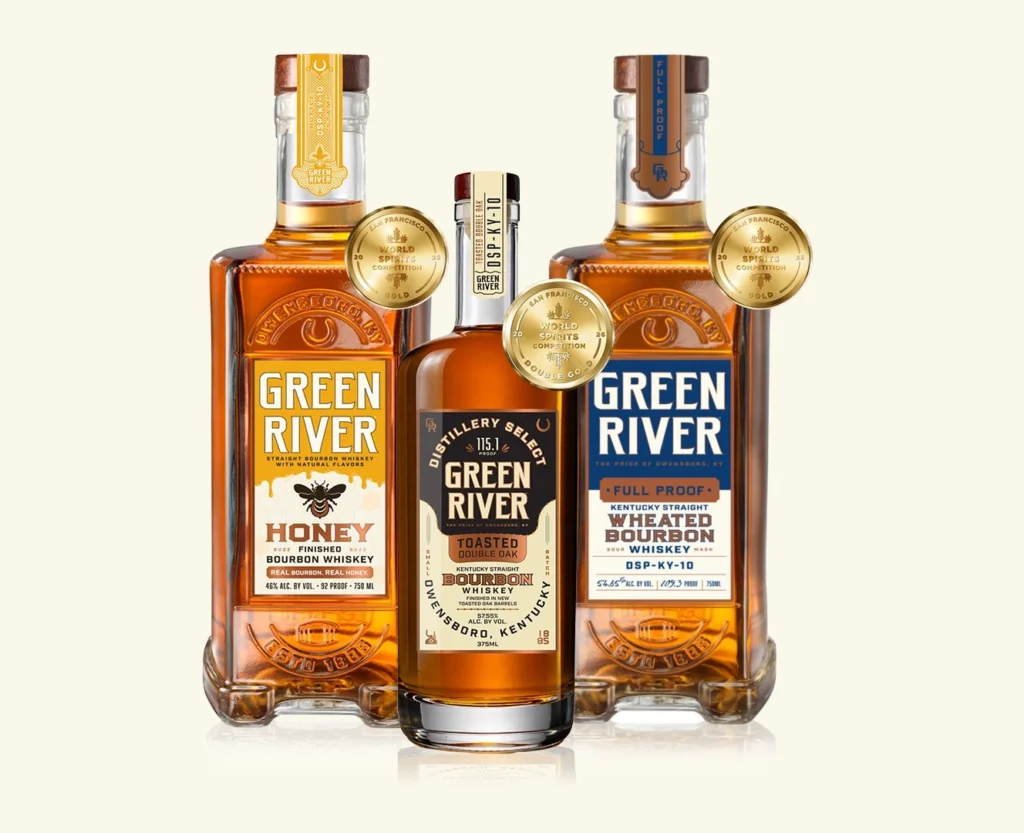
Green River Kentucky Straight Bourbon uses rye for a spicier profile with notes of vanilla, caramel, and cinnamon. Green River Wheated Bourbon swaps rye for wheat, creating a softer, rounder pour with honeyed and pastry notes. Pour them side by side, and the difference is clear.
Pour them side by side, and the difference is easy to appreciate: the rye-forward bourbon brings more spice, while the wheated bourbon leans softer and sweeter.
Proof: What the Number on the Label Really Tells Us
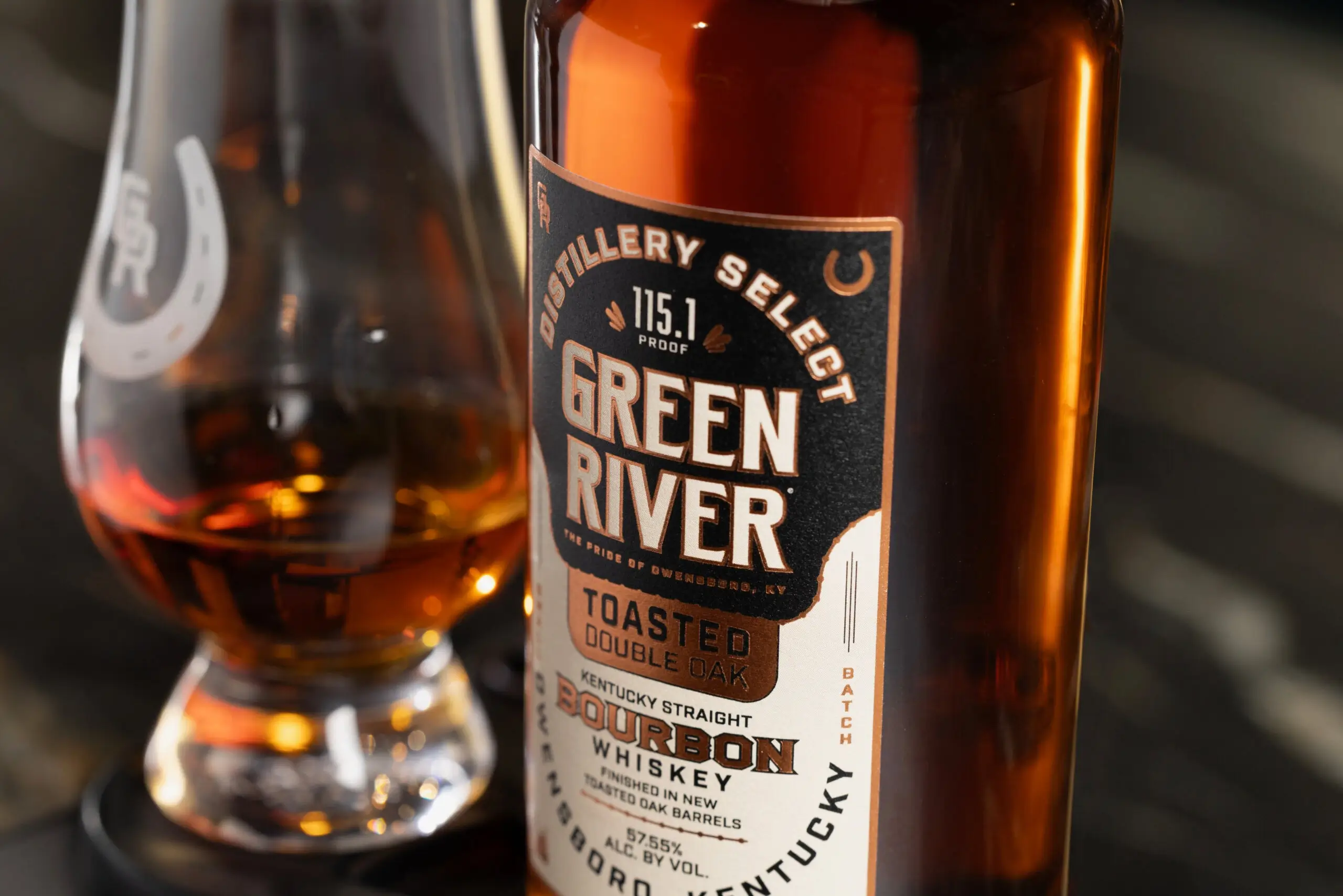
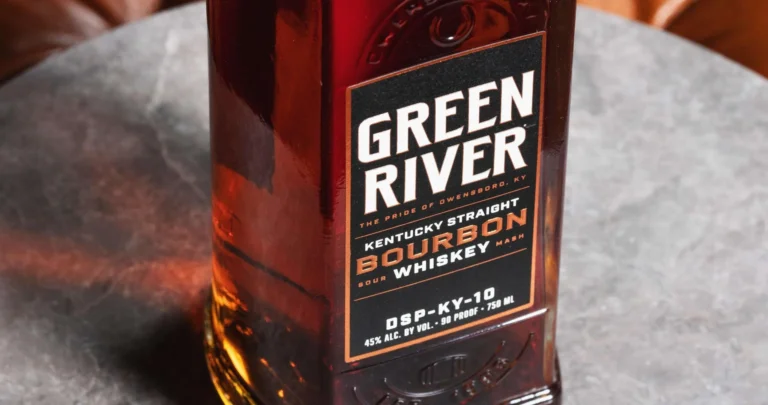
Proof equals double the alcohol by volume, so a bourbon at 45% ABV reads 90 proof. Higher proof amplifies everything in the glass: louder flavor, more heat, and a thicker texture. A bottle like our full-proof bourbon keeps more barrel character because we add less water before bottling.
On the bourbon mash bill vs. proof question, we think the mash bill sets the flavor, and proof sets the volume. A few drops of water or an ice cube will tame the burn and lift the aroma, and nobody gets to call that wrong.
Price: What You’re Actually Paying For
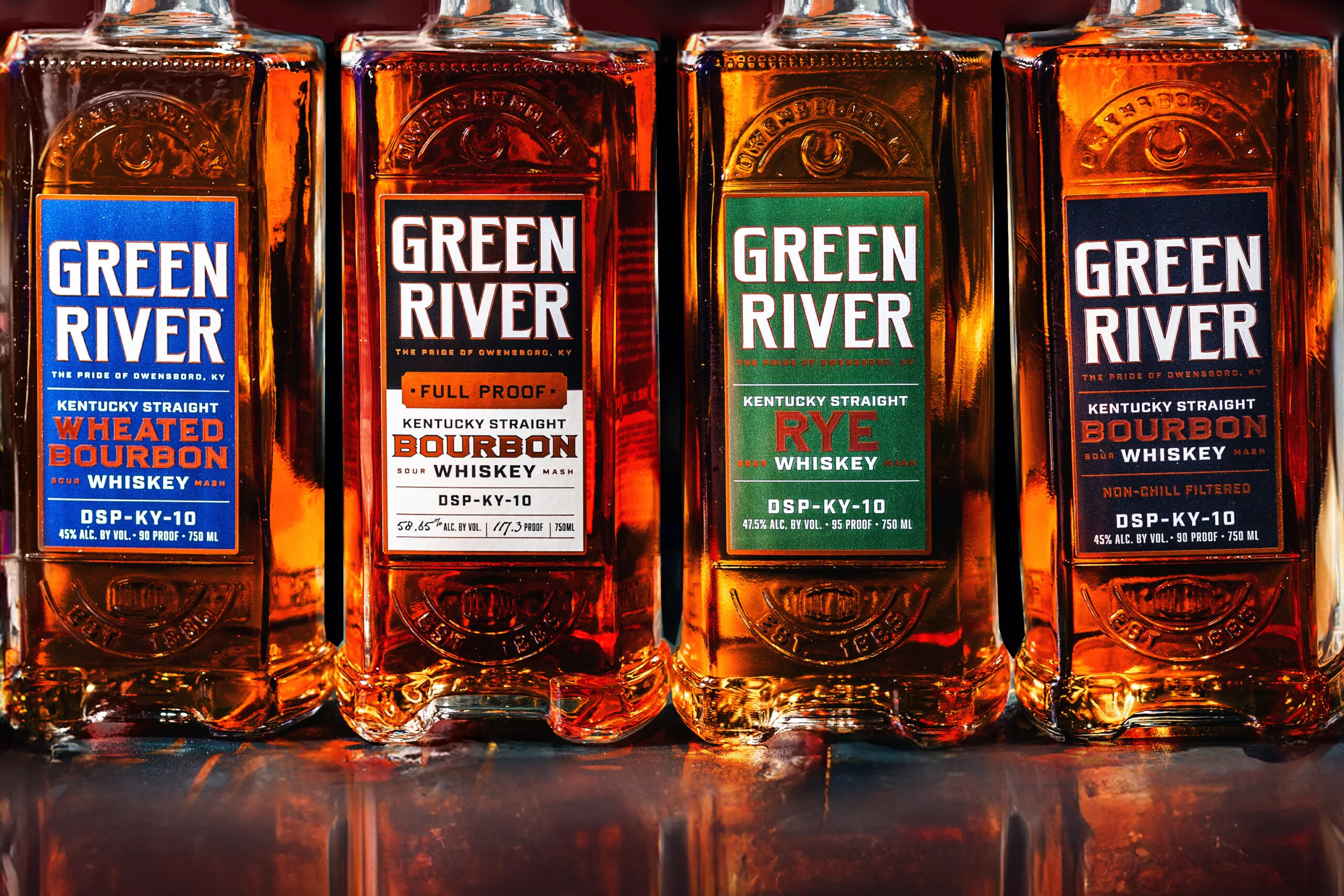
Some costs come with making good whiskey, including grain, new oak barrels, aging, bottling, labor, and taxes. However, a higher price does not automatically mean a better pour. Green River focuses on the whiskey itself and offers well-made bourbon at a fair price.
That matters when comparing bottles across the shelf. A reasonable price should reflect the quality and effort behind the whiskey, not elaborate packaging, scarcity, or hype. For us, good value means getting more whiskey for what you came for and less of the extras that just raise the ticket.
FAQs
Does a higher proof mean a better bourbon?
No. Proof changes intensity, not quality, and our own preference decides what tastes best.
Is a high-rye bourbon or a wheated bourbon better for beginners?
Wheated bourbons often feel gentler on a new palate, while high-rye bottles add more spice. Trying both settles the question fast.
Why are some Kentucky bourbons so expensive?
Age and proof raise costs, while hype, packaging, and limited releases add to them for other reasons.
Does bourbon have to be made in Kentucky?
No law requires it, though Kentucky makes most of the world’s bourbon.
What’s the easiest way to start comparing bourbons at home?
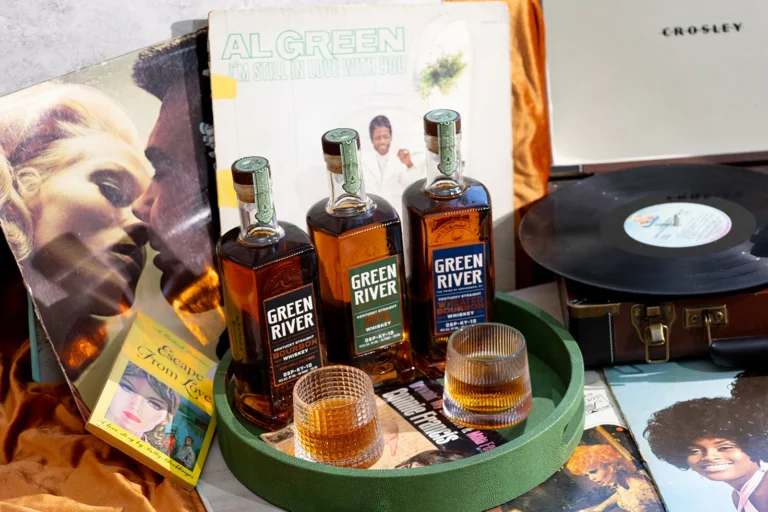
Pour two or three bottles side by side and take a few notes on each.
 Kentucky straight bourbon
 Cask Strength Single Barrel
 Kentucky wheated bourbon
Choose the Bourbon That Fits Your Pour
The best bourbon does not have to be the rarest or most expensive bottle on the shelf. Look for a style you enjoy, a fair price, and a whiskey made with care. That is what makes a bottle worth keeping in regular rotation.
Explore Green River Whiskey and find a bourbon that fits your pour.