You pour a glass, someone asks what kind of alcohol bourbon is, and suddenly you realize it is not as simple as it sounds. Bourbon is often mentioned, but the details behind what makes it bourbon are less commonly explained.
The short answer: bourbon is a type of whiskey. It is not a separate spirit category or a different type of alcohol. It is whiskey made under specific requirements that define its ingredients, production process, aging, and origin.
In this blog, we’ll break down what bourbon is, how it differs from other types of whiskey, its typical ABV, and the legal standards that give bourbon its distinct identity.
So, What Alcohol Is Bourbon?
Bourbon is a grain-based distilled spirit. You take grain, ferment it, distill it, age it in oak, and you get whiskey. That puts bourbon inside the whiskey family, right next to scotch, rye, and Irish whiskey.
Corn is the ingredient that sets bourbon apart from other types of whiskey. Every bourbon leans heavy on corn, and corn brings sweetness. That corn-forward flavor is why bourbon tastes rounder and softer than most other whiskeys. Same family, different personality.
Bourbon Whiskey vs. Regular Whiskey
Here is the short version. All bourbon is whiskey. Not all whiskey is bourbon. The difference comes down to grain, barrel, and origin.
Rye whiskey uses mostly rye, so it drinks spicier and drier. Scotch comes from Scotland, leans on malted barley, and often carries smoke. Tennessee whiskey follows bourbon-style rules but adds a charcoal-filtering step before aging. Bourbon sits in its own lane. American-made, corn-heavy, aged in new charred oak. Those three things do most of the work.
The Legal Rules That Define Bourbon
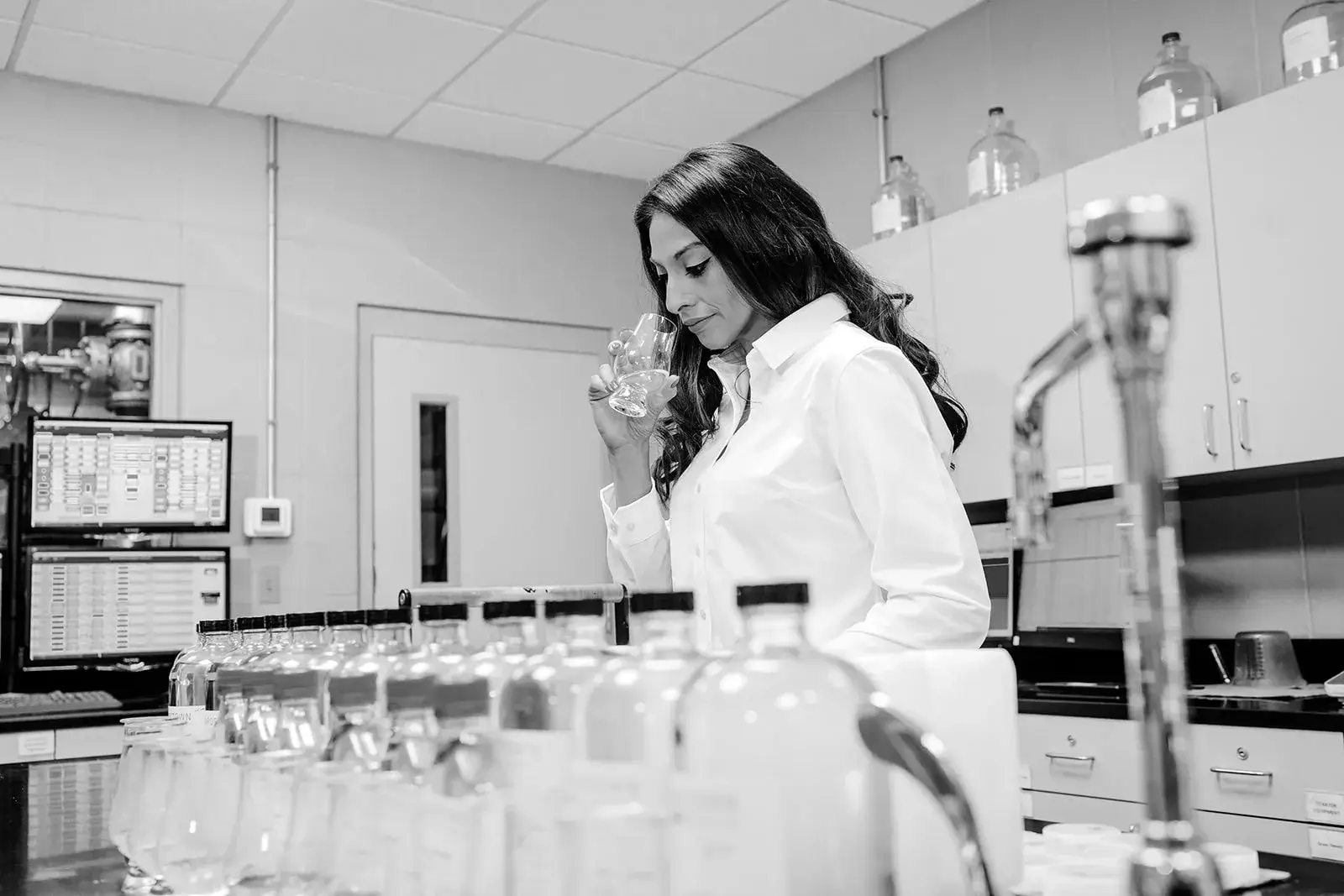
Bourbon is not a marketing word. It is a legal category with six federal rules behind it. Those rules keep the quality honest and stop drinkers from getting fooled.
Made in the U.S. With at Least 51% Corn
Rule one: bourbon has to be made in the United States. Rule two: the mash bill needs at least 51% corn. The rest of the grain, usually rye or wheat plus malted barley, fills in around it. That heavy corn base gives bourbon its sweeter, smoother character.
New Charred Oak Barrels and Proof Limits
Bourbon has to come off the still at no more than 160 proof. It goes into the barrel at no more than 125 proof. It ages in new, charred oak barrels, used once and never again for bourbon. That char matters. The color and most of the vanilla, caramel, and oak flavor come straight from the wood.
Nothing Added but Water
Nothing goes in except water to bring the proof to bottling strength. Bourbon must enter the bottle at a minimum of 80 proof.
That keeps the focus where it belongs: on the whiskey itself, just the way we like it.
Understanding Bourbon ABV and Proof
Proof is simple once you know the trick. Proof is double the ABV. So 80 proof is 40% alcohol. 100 proof is 50%.
Standard bottles start at 80 proof. From there, you climb to full-proof and barrel-strength releases that skip the extra water and land north of 100 or 120 proof. Higher proof means bigger, bolder flavor. It also means a little water or ice opens things up and softens the heat. There is no wrong way to pour it.
What “Kentucky Straight Bourbon” Actually Means
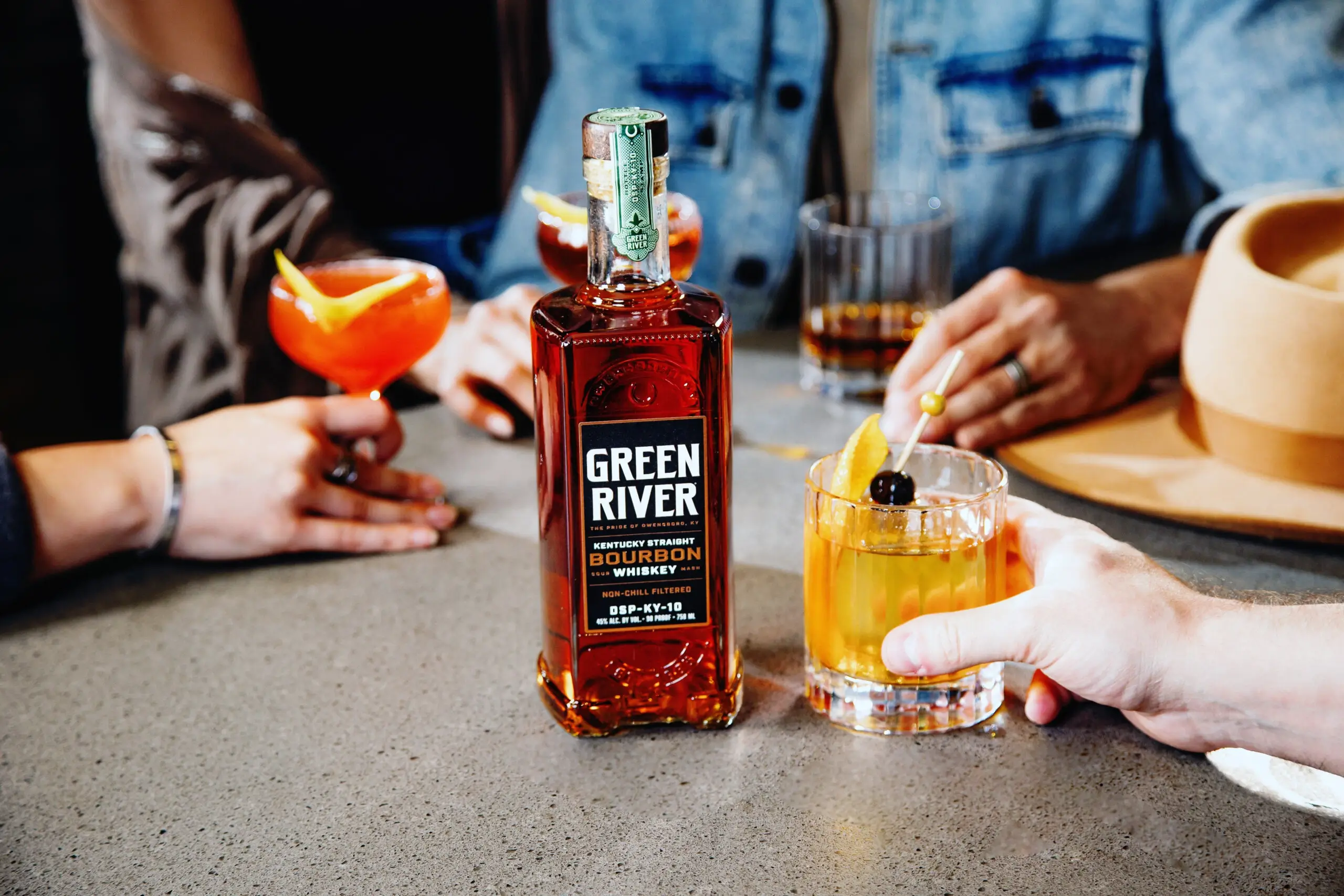
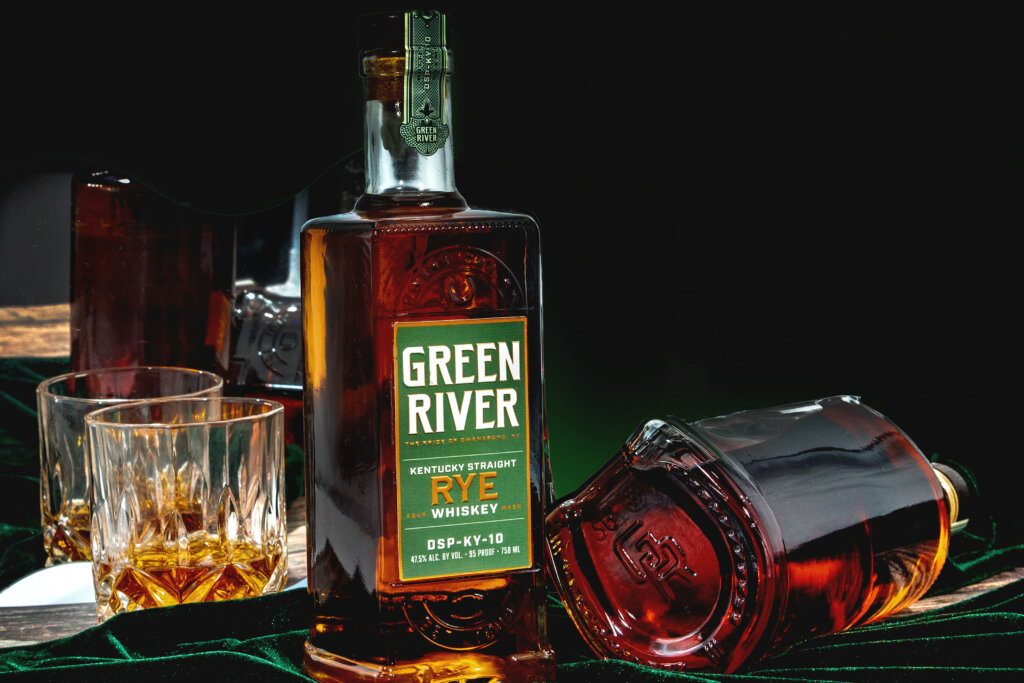
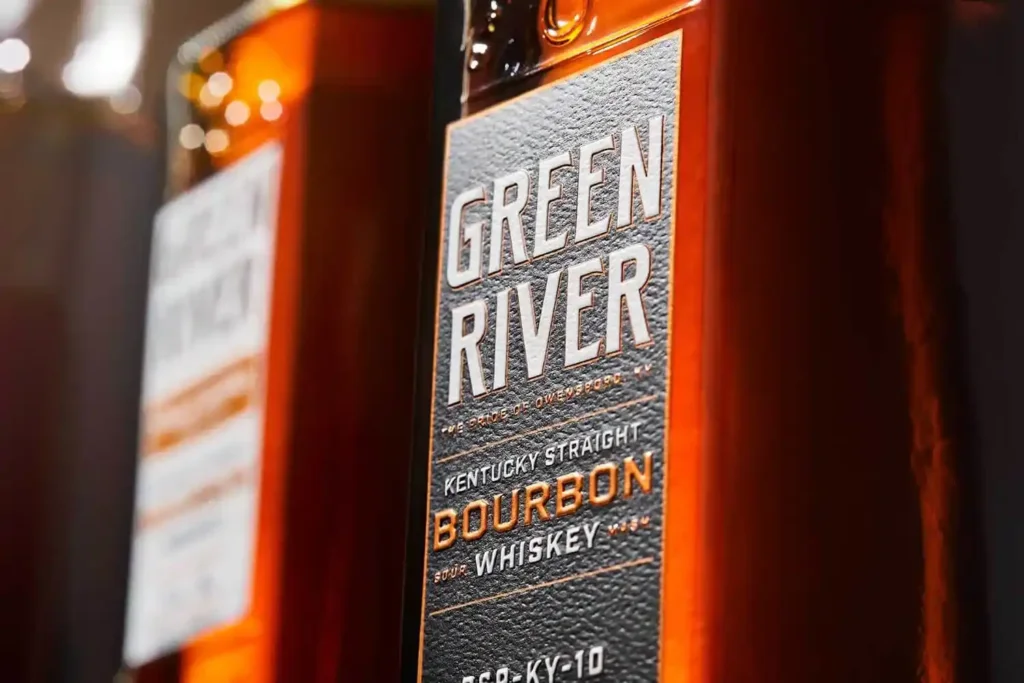
Straight bourbon aged at least two years with nothing added. Put Kentucky in front, and it means the bourbon was distilled and aged in the state. You see Kentucky on so many labels because the state has made bourbon for generations, and the climate ages it well.
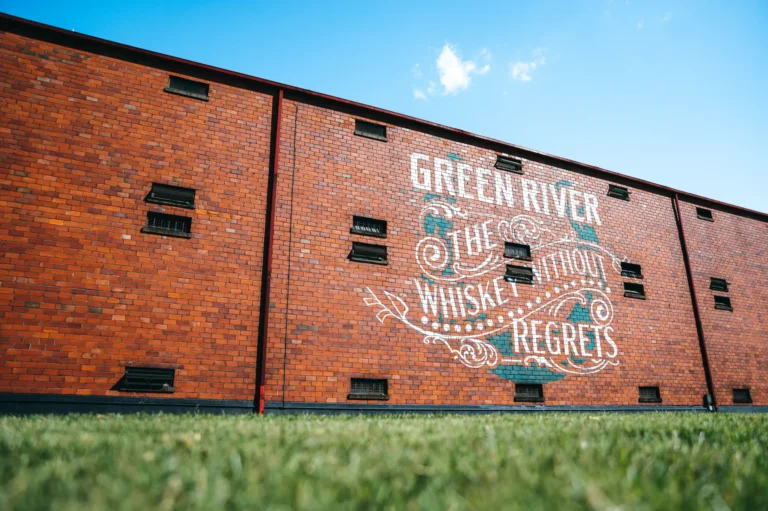
We know that firsthand. Our roots run back to Owensboro, where Green River has made whiskey since 1885. That heritage shows up in every pour.
What Bourbon Actually Tastes Like
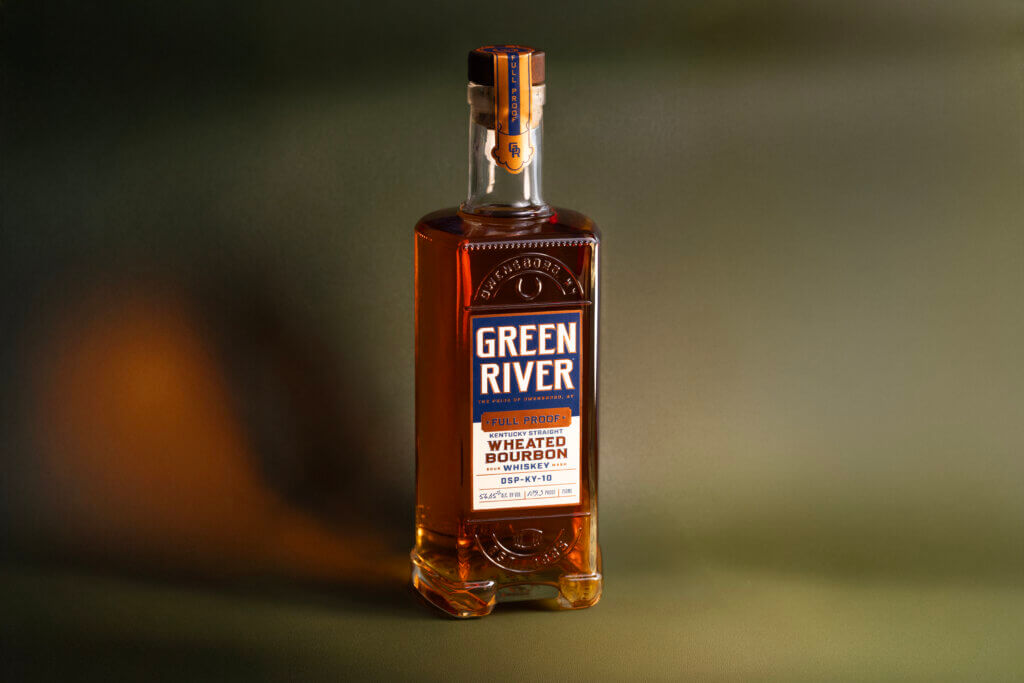
Most bourbon carries vanilla, caramel, oak, and baking spice. That is the corn and the charred barrel working together. The mash bill shifts things. A wheated bourbon drinks softer and rounder, while a rye-heavy bourbon brings more pepper and bite.
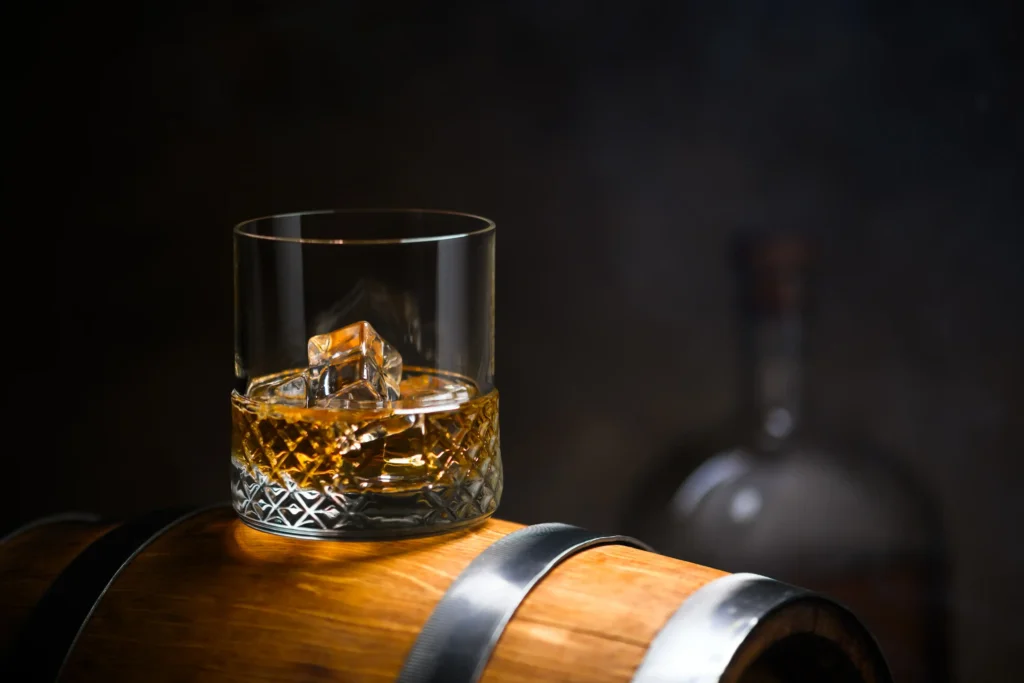
We pour ours neat, over one big cube, or in an Old Fashioned when the mood hits. Try it a few ways and find what you like.
FAQs
Is bourbon only made in Kentucky?
No. Bourbon can be produced anywhere in the United States as long as it follows the legal requirements for bourbon production. Kentucky is closely associated with bourbon because of its long history, limestone-rich water, and ideal aging conditions.
What makes bourbon different from other whiskey?
Bourbon is defined by specific rules, including using at least 51% corn in the mash bill, aging in new charred oak containers, and meeting proof requirements. These standards create the flavor profile people associate with bourbon, from sweetness and oak to spice and depth.
Is bourbon sweeter than other whiskey?
Bourbon often tastes sweeter because corn makes up the majority of its grain recipe, creating natural notes of caramel, vanilla, and toasted oak. Other whiskeys, such as rye or scotch, tend to highlight different flavors like spice, fruit, or smoke.
What ABV should beginners start with?
For those new to bourbon, bottles around 80 to 90 proof (40% to 45% ABV) are often a comfortable place to begin. Adding a few drops of water can also help open up the flavors and soften the alcohol intensity.
 Kentucky straight bourbon
 Cask Strength Single Barrel
 Kentucky wheated bourbon
Discover the Craft Behind Every Bourbon Pour
Bourbon is more than a style of whiskey. It is a spirit shaped by tradition, craftsmanship, and standards that protect what goes into every bottle. Those rules create a foundation, but the choices made by the distillers, from grain selection to aging, are what bring each bourbon its character. At Green River, we believe great whiskey does not need unnecessary complications. It starts with quality ingredients, thoughtful production, and respect for the craft.
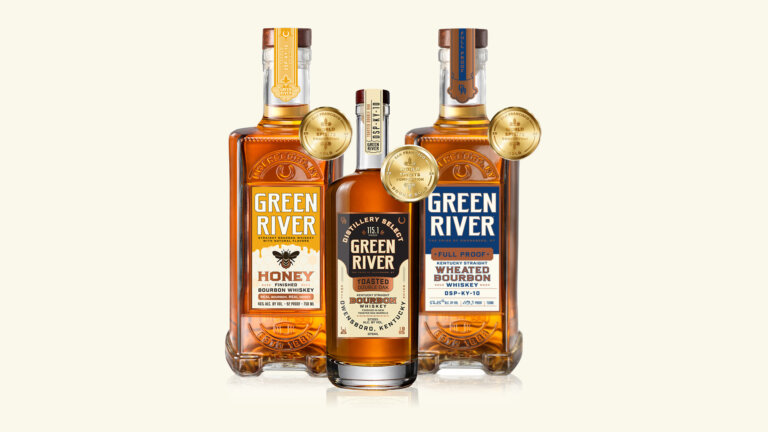
Explore Green River’s bourbon lineup and discover the expressions crafted in Owensboro, Kentucky.