Every bottle of bourbon starts with a recipe. That recipe, known as the mash bill, defines the grain blend used before fermentation and aging begin. The balance of corn, rye, wheat, and malted barley shapes the whiskey’s character, from sweetness and spice to texture and depth.
At Green River, we believe great bourbon starts with understanding the grain. The choices made at the start of the process help create the flavors that eventually reach your glass, and we want to share why each ingredient matters.
In this blog, we’ll explore what a bourbon mash bill is, how each grain contributes to flavor, how Green River’s recipe comes together, how wheated bourbon compares to traditional high-rye styles, and how to taste the differences for yourself.
What a Bourbon Mash Bill Actually Is
A bourbon mash bill is the grain recipe behind every batch. It lists the grains and their percentages. Most bourbons run on corn, rye, or wheat, and malted barley. The split between them sets the tone.
To call it bourbon, the recipe needs at least 51% corn. That is the rule, written into federal law. Want the fine print? Read the standards at the TTB. Corn does the heavy lifting. The other grains fill in around it. This recipe lays the foundation long before aging shapes the rest.
What Each Grain Brings to the Glass
Each grain has a job. Learning how a mash bill affects bourbon flavor starts right here.
- Corn brings sweetness and body. Think caramel, vanilla, and a round mouthfeel.
- Rye brings spice and a peppery edge. More rye, more bite and dry heat.
- Wheat brings softness. It rounds everything out and makes the whiskey easy to drink.
- Malted barley brings texture and keeps fermentation running. It adds a light nutty note too.
Shift those percentages, and you shift the whole pour.
The Green River Mash Bill, Grain by Grain
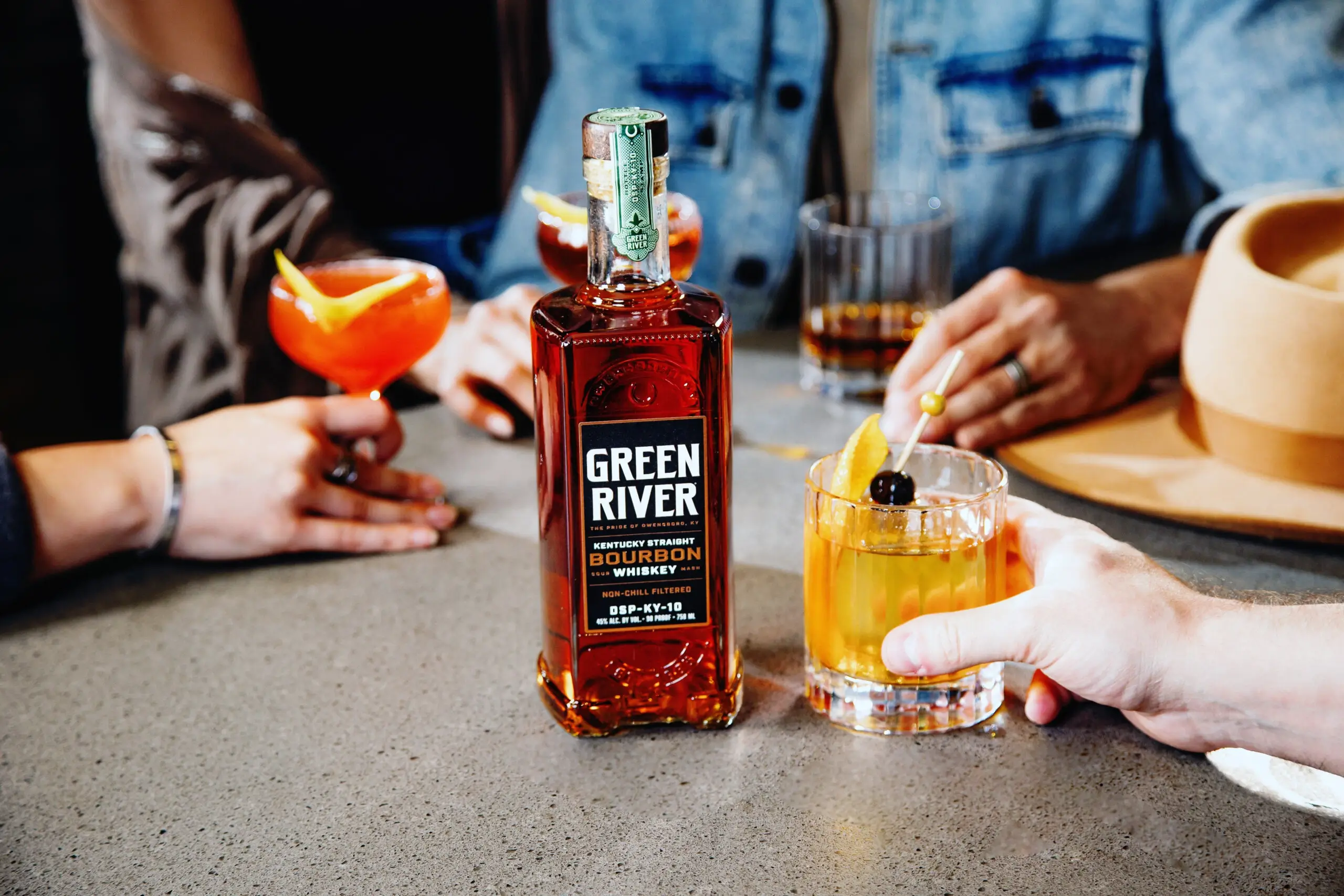
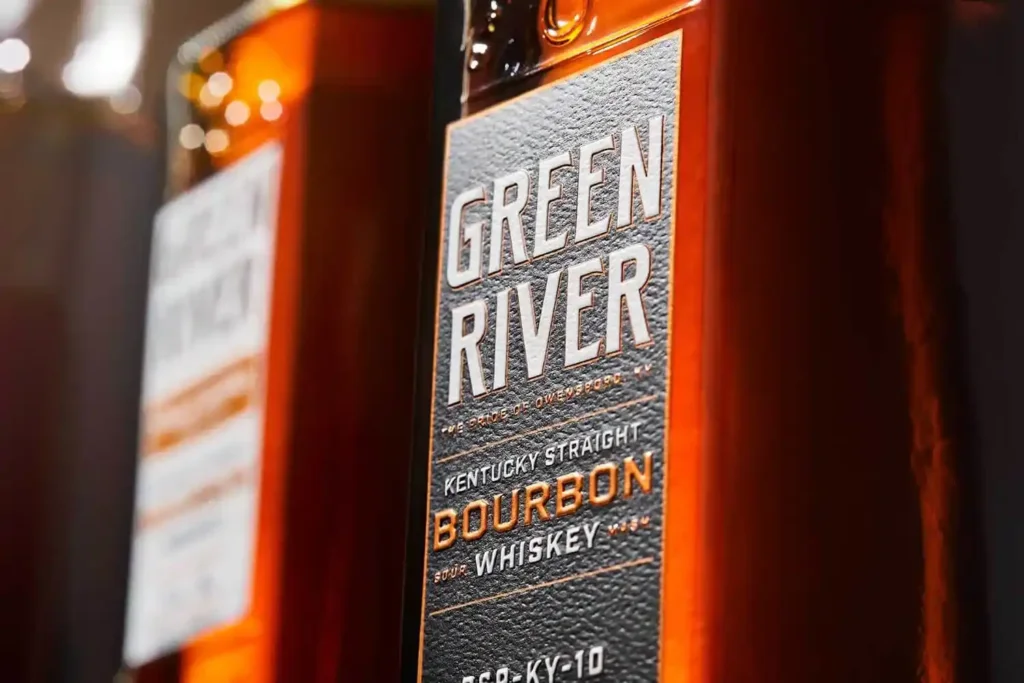
Our Green River Straight Bourbon runs 70% corn, 21% rye, and 9% malted barley. A balanced build with enough corn for sweetness and rye for a peppery kick that keeps things interesting.
Those proportions decide what you taste: caramel and vanilla up front, a little baking spice on the finish. We distill in Owensboro, right on the Green River, and the local water and Kentucky grain feed the whole process.
How a Wheated Bourbon Mash Bill Changes Things
A wheated bourbon swaps rye for wheat as the second grain. That one change does a lot.
Rye sharpens and spices up a bourbon. Wheat does the opposite. It softens and rounds. You lose the peppery edge and gain a gentler pour. Same corn base, different personality.
Our Green River Wheated Bourbon suits drinkers who want something smooth and approachable. If rye spice is too much for you, this is your bottle. Neat, on the rocks, or in an Old Fashioned, it stays soft.
How to Taste the Mash Bill for Yourself

The best way to learn is to sip side by side. Pour a rye-forward bourbon next to a wheated one.
Look for rye spice first. It shows up as pepper and dry heat. Then notice sweetness and softness. Where does the corn sit? How does the finish land? A rye build lingers with spice. A wheated build fades soft and clean.
Pour our Green River Single Barrel alongside our wheated bottle and taste the split yourself. Same distillery, different grains, two clear personalities.
FAQs
Does a higher corn percentage always mean sweeter bourbon?
Not always. More corn leans sweet, but aging and proof shift things too. Longer time in the barrel adds oak and spice that can balance the sweetness. Proof changes how bold everything reads on the palate.
What is a four-grain bourbon?
A four-grain bourbon uses corn, rye, wheat, and malted barley together. It blends the spice of rye with the softness of wheat for a layered profile. Most bourbons pick one secondary grain. Four-grain builds use both.
Is wheated bourbon actually smoother?
Usually, yes. Wheat softens the profile and cuts the peppery bite that rye brings. Smooth is not better or worse. It is a style. Some drinkers love it. Others want the rye spice.
What’s the Green River mash bill?
Our straight bourbon runs 70% corn, 21% rye, and 9% malted barley. Balanced, with caramel sweetness and a light peppery finish. Fair price, no fuss.
 Kentucky straight bourbon
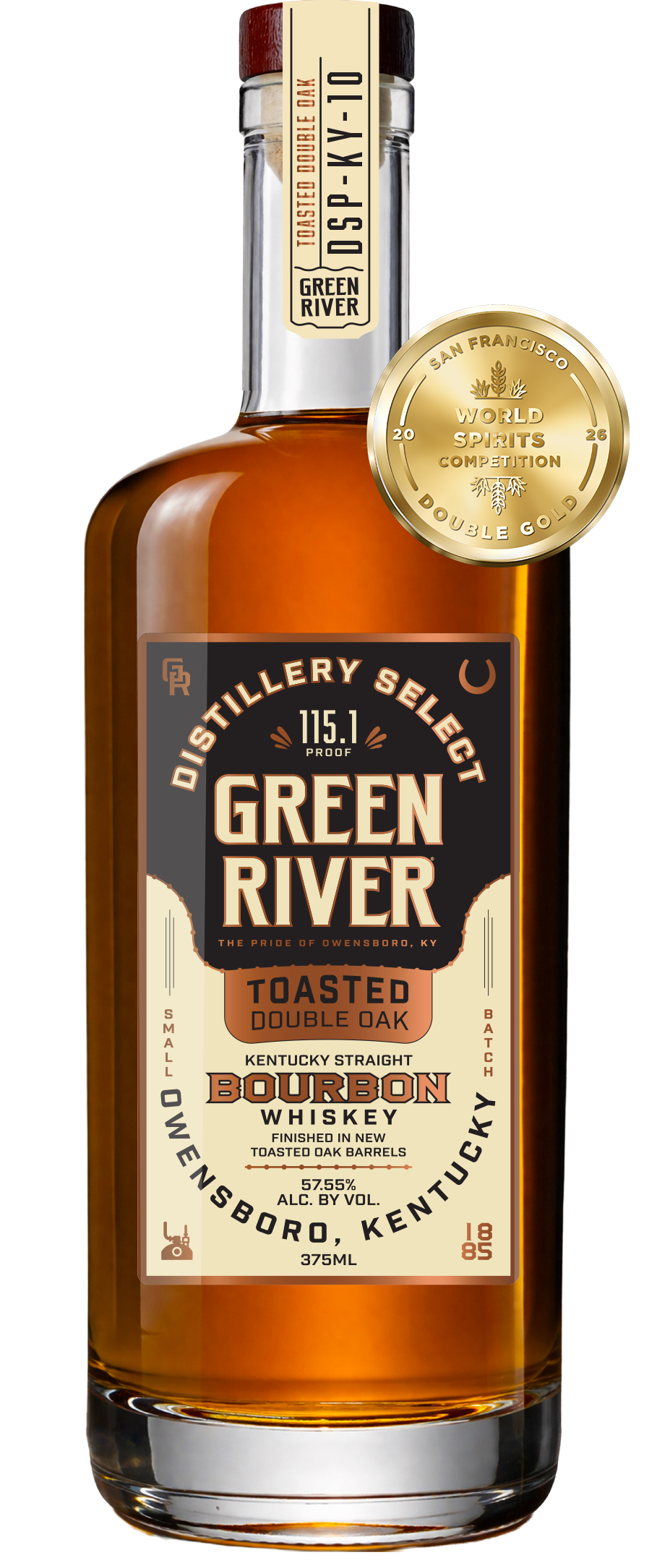 TOASTED DOUBLE OAK
 Kentucky wheated bourbon
Why the Mash Bill Isn’t the Whole Story
The recipe starts the flavor. It does not finish it. Fermentation, proof, and barrel aging do, too. The mash bill sets the foundation, but it is only the beginning of a bourbon’s journey. Once the grains are selected, every step that follows helps shape the final character in the glass, from fermentation and distillation to barrel aging and proofing.
At Green River, craftsmanship goes beyond choosing the right grain combination. The yeast, the distillation process, the time it spends resting in new charred oak barrels, and the care taken throughout all contribute to the bourbon’s final balance of flavor, aroma, and texture.
Good bourbon starts with the recipe. Knowing your grains makes every pour more fun, and it takes the mystery out of the label. Once you can taste the corn, rye, and wheat, you drink with more confidence.
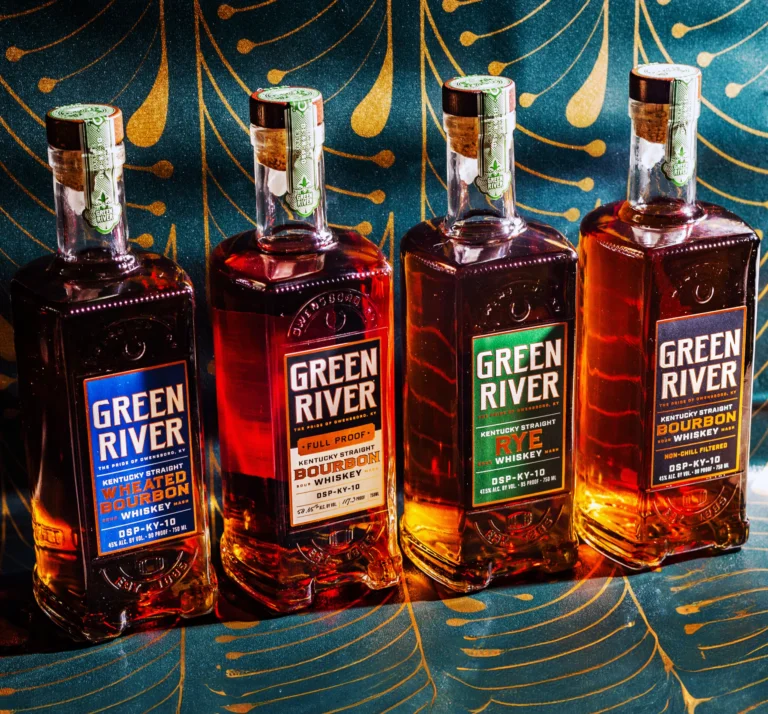
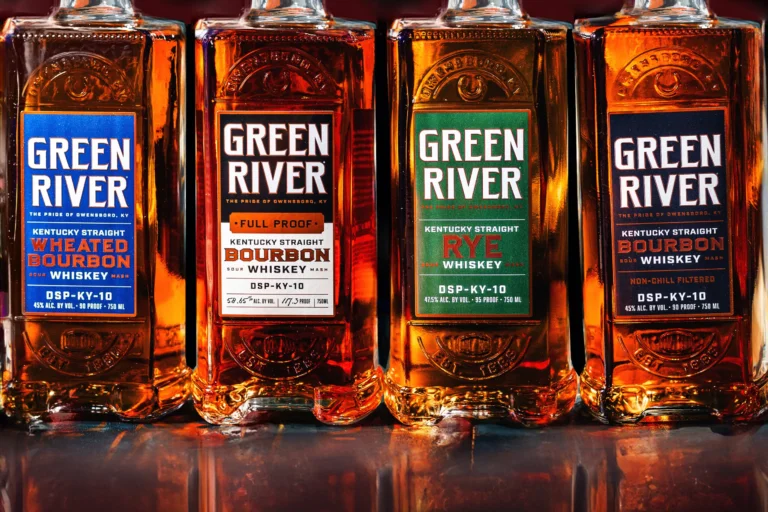
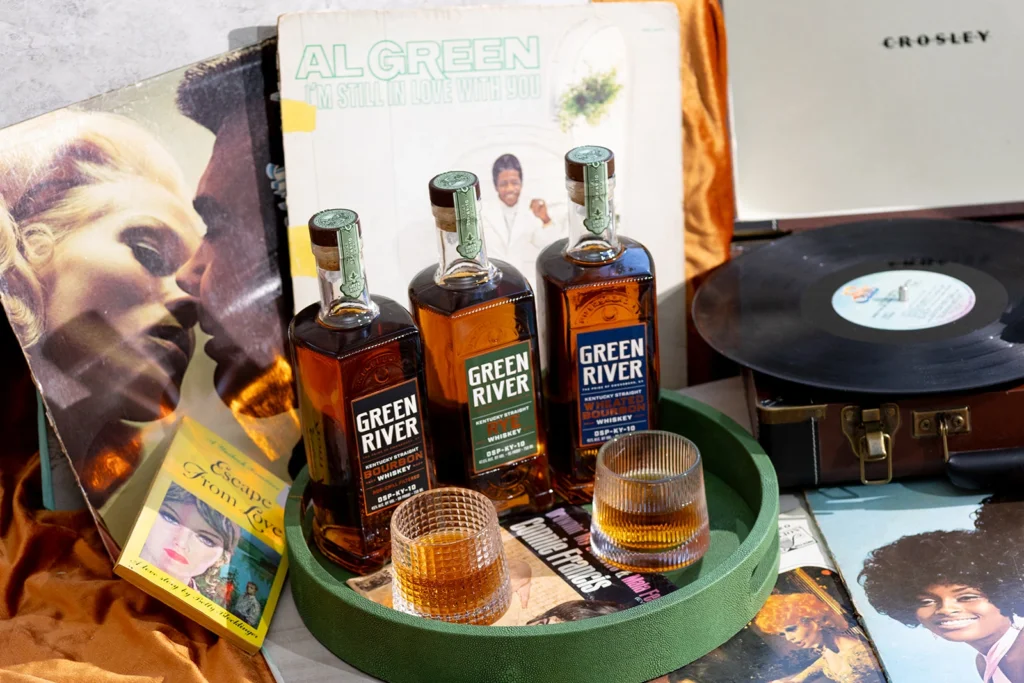
Taste Green River’s full bourbon lineup and see the difference for yourself.