Say “bourbon” and most people picture a single amber glass. The word covers way more than that. Wheated pours, high-rye bottles, single barrels, and full-proof releases are all part of the bourbon story.
That range is where things get muddy. Mash bills, styles, label terms, all tossed around like everyone already grew up knowing them. These might sound daunting at first, but they’re rather easy to comprehend. We think you should understand a type of bourbon whiskey before it hits your glass.
This blog includes what makes a bourbon a bourbon, how mash bills shape the taste, the styles you’ll spot on the shelf, and how to read a label without guessing.
What Actually Makes a Bourbon a Bourbon
Bourbon runs on rules. The mash needs at least 51% corn. It ages in new charred oak, never-used barrels. Distillers can’t run it off the still above 160 proof, and it goes into the barrel at 125 proof or lower. Nothing gets added except water down the line.
Here’s the part folks get wrong: bourbon doesn’t have to come from Kentucky; any state will do. So why does Kentucky bourbon set the bar? Limestone water, hot summers, cold winters, and distillers who kept at it for generations. We make ours in Owensboro because that’s where we started, back in 1885.
Mash Bills: The Recipe Behind the Flavor
The mash bill is the grain recipe. Change the grains and the entire taste changes. That’s the whole trick.
Traditional bourbon leans corn-forward with some rye and a bit of malted barley. You get caramel, vanilla, and a touch of oak, all in balance. High-rye pushes the rye up, so you taste spice, pepper, and a bite on the finish. Wheated bourbon trades rye for wheat, which mellows everything into an easy sweetness. Three recipes, three moods.
Straight Bourbon and What It Means
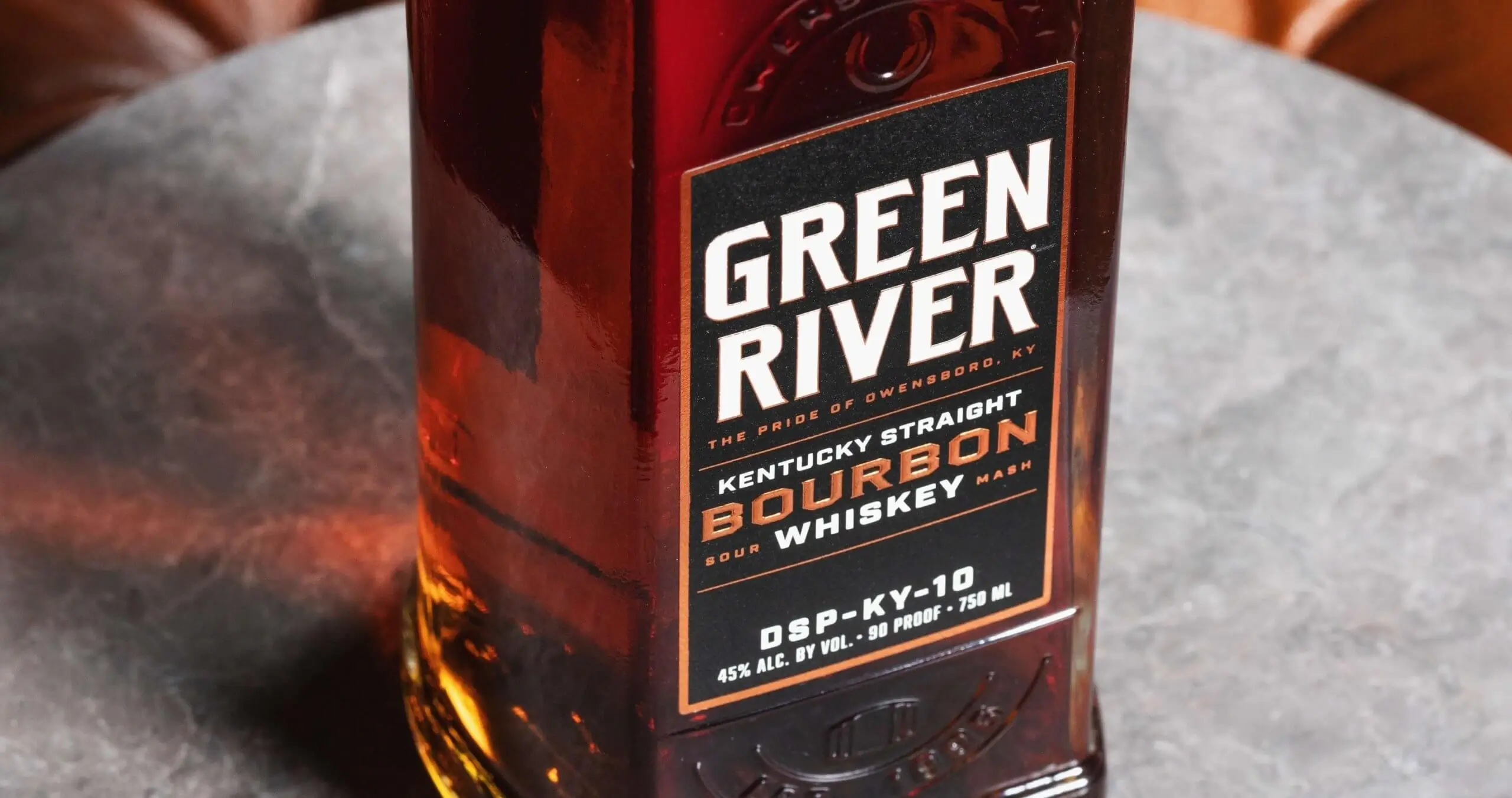
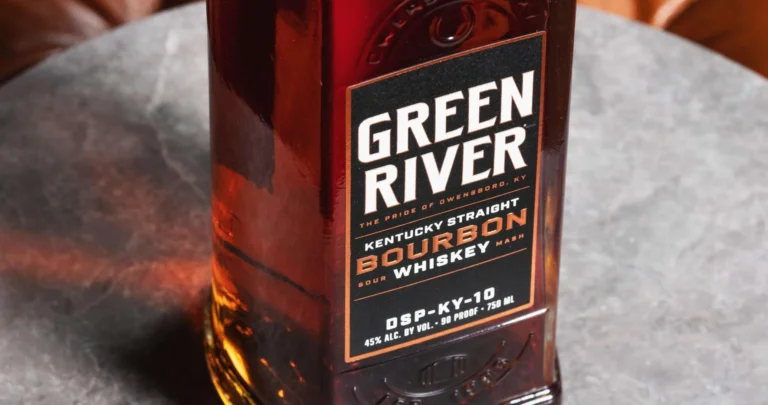
Straight bourbon has to age at least two years in the barrel. No coloring, no flavoring, nothing snuck in to fake the look. What you taste comes from grain, oak, and time.
That’s why “straight” on a label works as an honesty signal. It tells you the whiskey earned its color the slow way. Blends can be mixed with neutral spirits or younger stock. Straight bourbon skips the shortcuts. It’s a type of bourbon whiskey you can trust at a glance.
Bourbon Styles, You’ll See on the Shelf
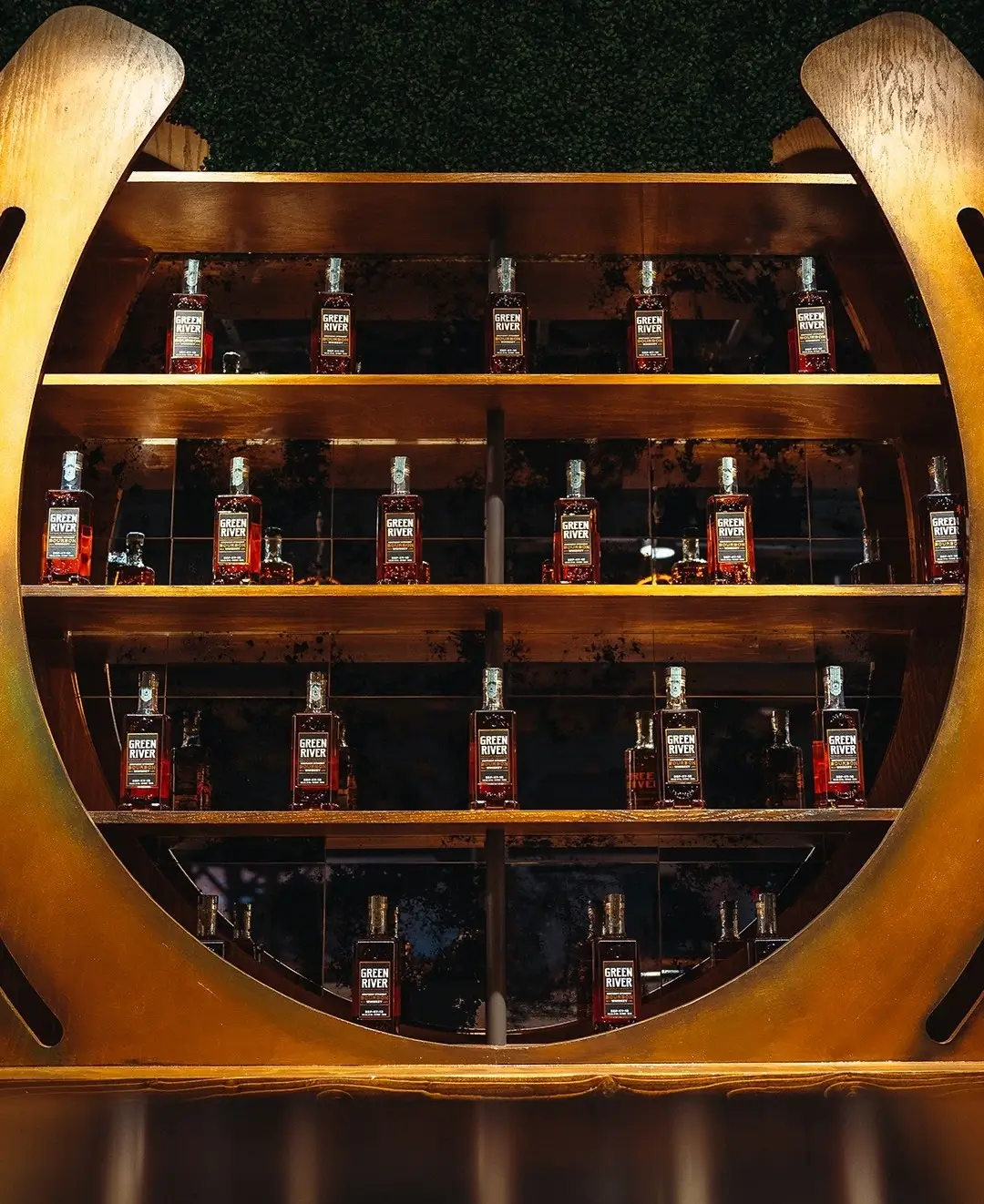
Once you know the mash bill, the style tells you how the bottle came together. Small batch blends a limited number of barrels. A single barrel comes from one barrel. Cask strength, or full-proof, skips the water and bottles it at full strength. Honey-finished and other modern twists add a layer after aging. Each choice changes your pour.
Single Barrel vs. Small Batch
Single barrel gives you the character of one barrel, unblended. Small batch mixes a handful of barrels for a steadier profile. Since no two barrels age the same way, single-barrel bottles can taste a little different from one another.
Proof and Full-Proof Releases
Proof measures alcohol. Higher proof means bigger flavor and more heat. Full-proof releases hold nothing back, so the vanilla, oak, and spice all land harder.
Want to soften it? A few drops of water open the pour, pulling new notes forward. Start high, adjust to taste, and let the whiskey meet you where you are.
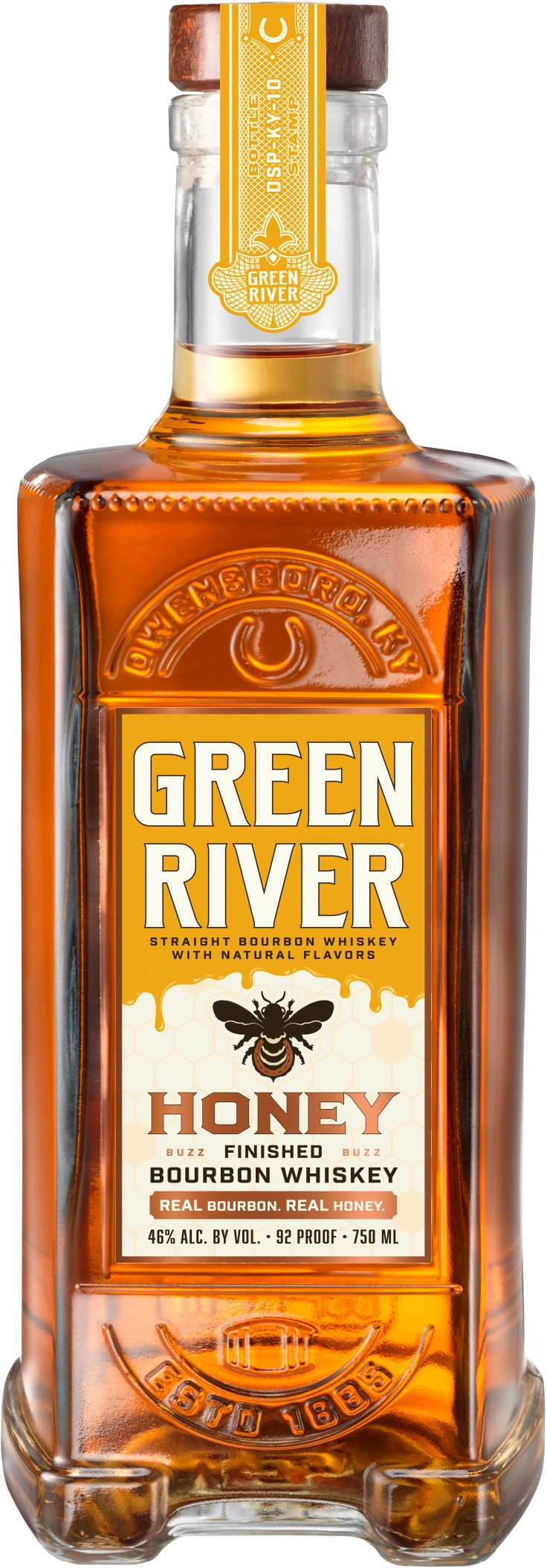
HONEY-FINISHED
BOURBON

Full Proof Bourbon

Cask Strength
Single Barrel
Reading a Bourbon Label Without the Guesswork
Labels can throw you off. An age statement tells you the youngest whiskey in the bottle. No-age-statement bottles skip that number, which isn’t always bad but worth clocking. Bottled-in-bond is the strictest label out there. One distillery, one season, at least four years old, bottled at exactly 100 proof.
Check who made it, too. “Distilled by” means they made the whiskey. “Bottled by” often means someone else did the work. Additionally, watch for words like “handcrafted” or “reserve.” They sound fancy and carry no legal meaning at all.
Which Type of Bourbon Whiskey Should You Pour?
Match the style to the moment. Want something easy for a slow evening? Reach for a wheated bourbon. Need spice for a cocktail? Go high-rye. New to all this? Start with a classic straight bourbon. It shows you what balanced Kentucky bourbon tastes like without knocking you over.
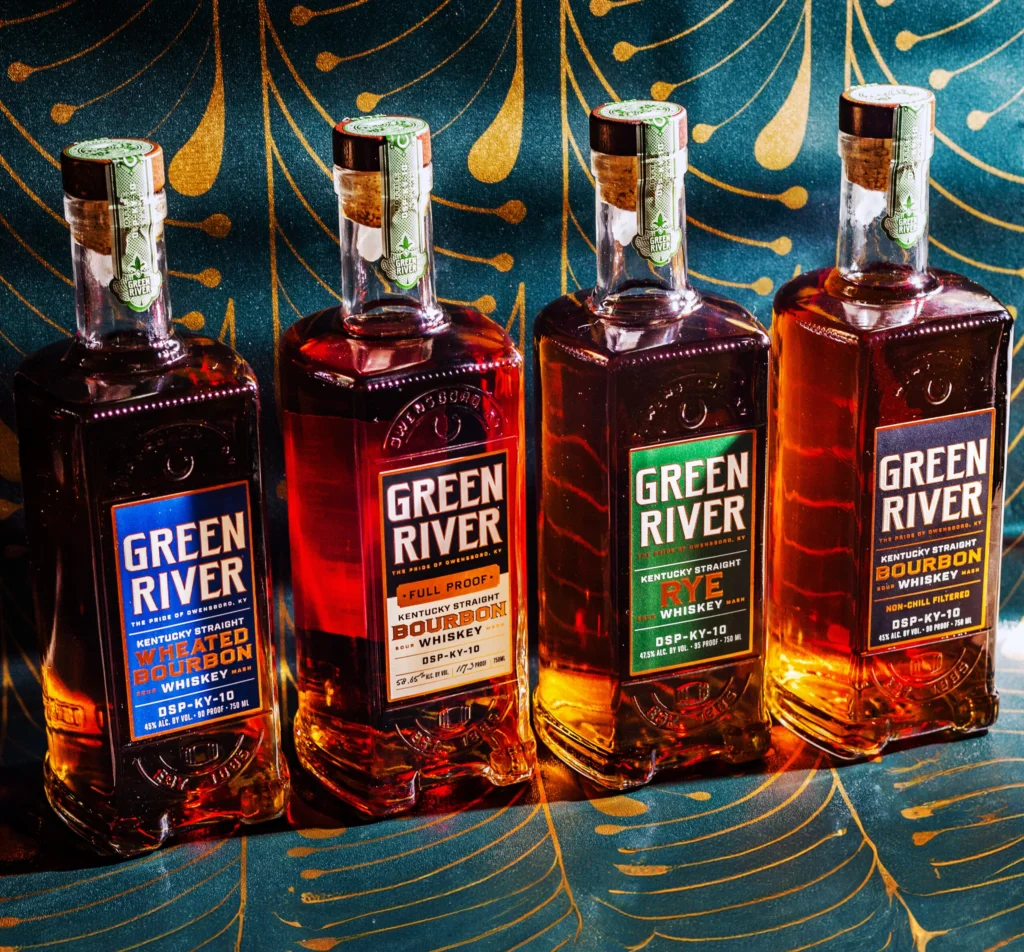
We build our range for every drinker. Our straight bourbon covers the classics, our wheated bourbon keeps it soft, and our single-barrel collection rewards anyone who wants barrel-by-barrel character. No hype, fair prices, whiskey without regrets.
Frequently Asked Questions
Does bourbon have to be made in Kentucky?
No. Bourbon can be made anywhere in the United States. Kentucky does it well enough to earn the reputation, and we’re proud to make ours here.
What’s the difference between straight bourbon and regular bourbon?
Straight bourbon ages at least two years with no added coloring or flavoring. Regular bourbon can run younger and blend in other spirits. Straight means what you taste came from grain, oak, and time.
Is wheated bourbon actually sweeter?
It reads softer and mellower because wheat replaces the rye. You’ll notice less spice and a smoother sweetness instead of a sharp bite.
Which type of bourbon whiskey is best for beginners?
A classic straight bourbon or a wheated pour. Both go down easy, taste balanced, and give you a fair sense of bourbon before you branch out.
A Simple Guide for Bourbon Types
Bourbon types are simpler than the labels make them look. Learn the mash bill, know the style, read the label straight, and you’re set. Pick by taste, not by hype or price tag.
Ready to find your pour? Explore our range, fill a glass, and immerse yourself in the experience.