
Standing at the whiskey shelf can feel like reading a menu in a language you don’t speak. Words like Bourbon, rye, Scotch, single malt, single barrel, and cask strength can feel daunting. The labels pile up fast, and half of them sound like they mean the same thing.
Here in Owensboro, we make whiskey without the fuss, and we talk about it the same way. So let’s cut through the jargon together. The different types of whiskey come down to three things: what grain went in, where it got made, and how long it sat in a barrel. Get those, and the rest sorts itself out.
This blog includes what makes a whiskey, how American styles differ from old-world ones, how to read a label, and where to start pouring.
What Actually Makes Whiskey, Whiskey
Every whiskey starts with four things: grain, water, yeast, and time in a barrel. Distillers ferment grain into a beer-like wash, distill it into clear spirit, then age it in oak until it turns gold and takes on flavor.
You’ll see it spelled two ways. Whiskey with the “e” comes from the United States and Ireland. Whisky without the “e” comes from Scotland, Canada, and Japan. Same drink, different passport.
Grain sets the base, corn brings sweetness, rye brings spice, and barley brings a nutty depth. Then the barrel does the heavy lifting, adding vanilla, caramel, and oak over years of aging. That combination is why the different types of whiskey taste nothing alike.
American Whiskey: Our Home Turf
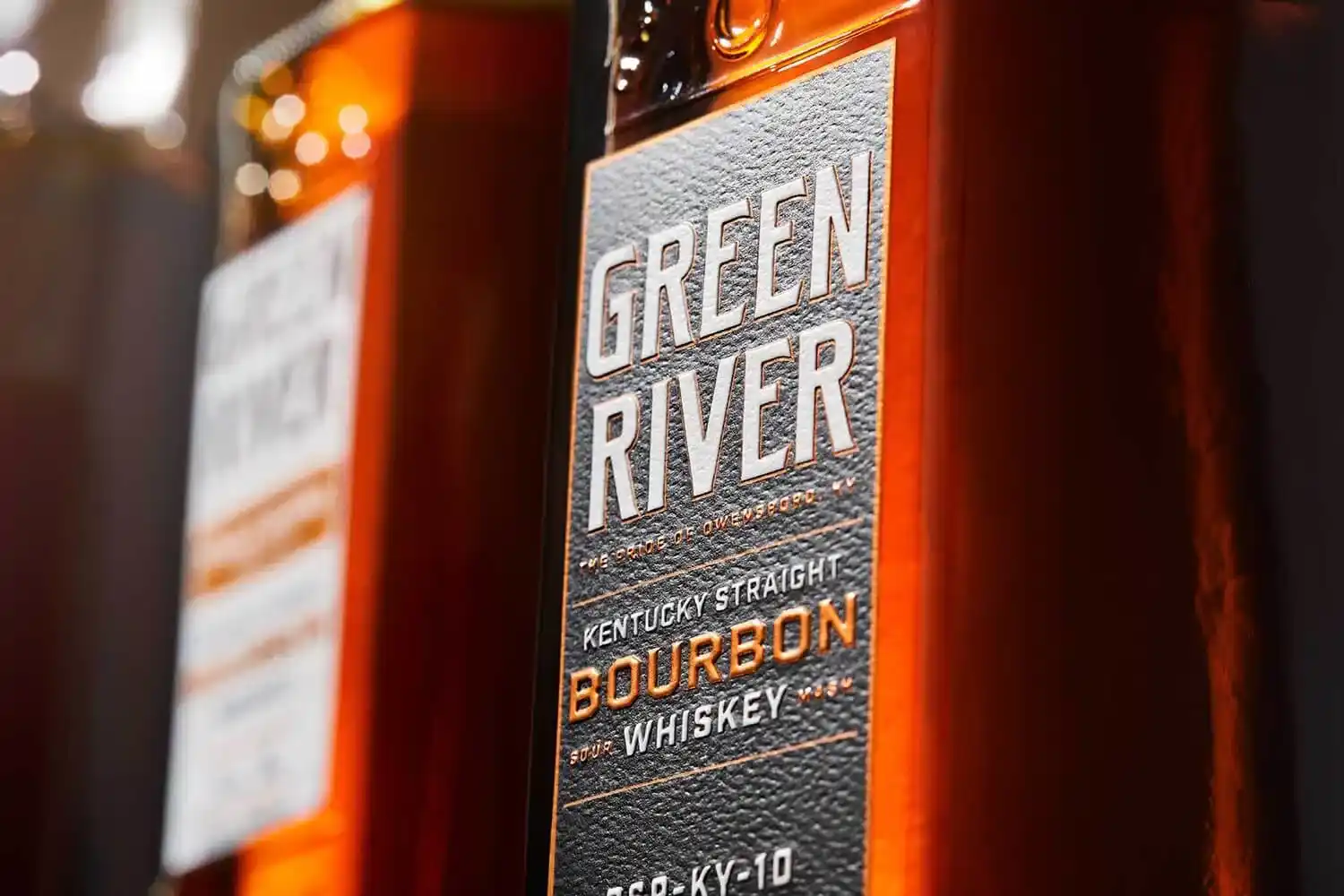
American whiskey stands out for one big reason. Corn. Most of what we make leans corn-forward, which means natural sweetness right up front. Add new charred oak barrels, and you get those bold vanilla and caramel notes.
Under the American whiskey umbrella sit bourbon and rye, the two names you’ll spot most. They share the same rules on distillation and aging but split on grain. Both belong to the wider family of different types of whiskey, and for us, both start right here in Kentucky.
Single Malt and Single Barrel: Two Words People Mix Up
These two sound alike and mean very different things. A single malt comes from one distillery and uses only malted barley. The “single” points to the distillery, not the barrel.
A single barrel means the whiskey came from a single cask, bottled on its own, with nothing blended in. Most whiskey gets mixed from many barrels for consistency. Single barrel skips that step, so each batch carries its own personality. Two bottles from the same distillery can taste slightly different, and that’s the point.

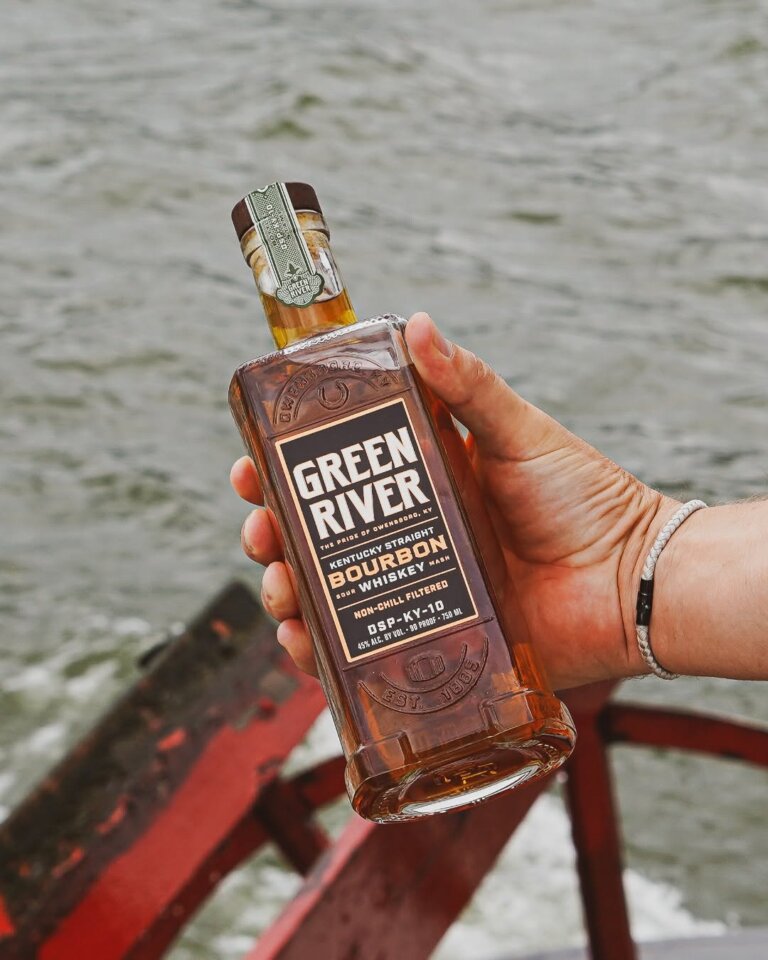
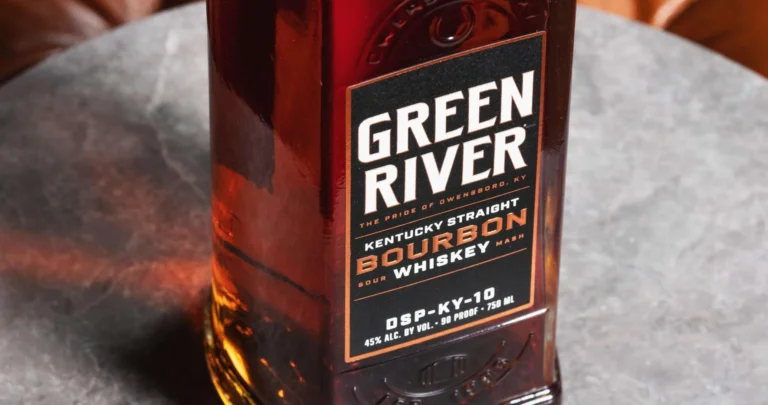
Kentucky Straight Bourbon

Full Proof Bourbon

Cask Strength
Single Barrel
Scotch and Irish Whiskey: The Old-World Cousins
Scotch comes from Scotland and breaks into regions, from the smooth Speyside to the smoky, peated whiskies of Islay. That smoke comes from drying barley over peat fires. Love it or hate it, it’s distinctive.
Irish whiskey usually goes through triple distillation, which gives it a smoother, lighter character. Aging rules differ across the pond too. Both Scotch and Irish whiskey need at least three years in the barrel, while American rules vary by style.
Reading a Whiskey Label Without the Headache
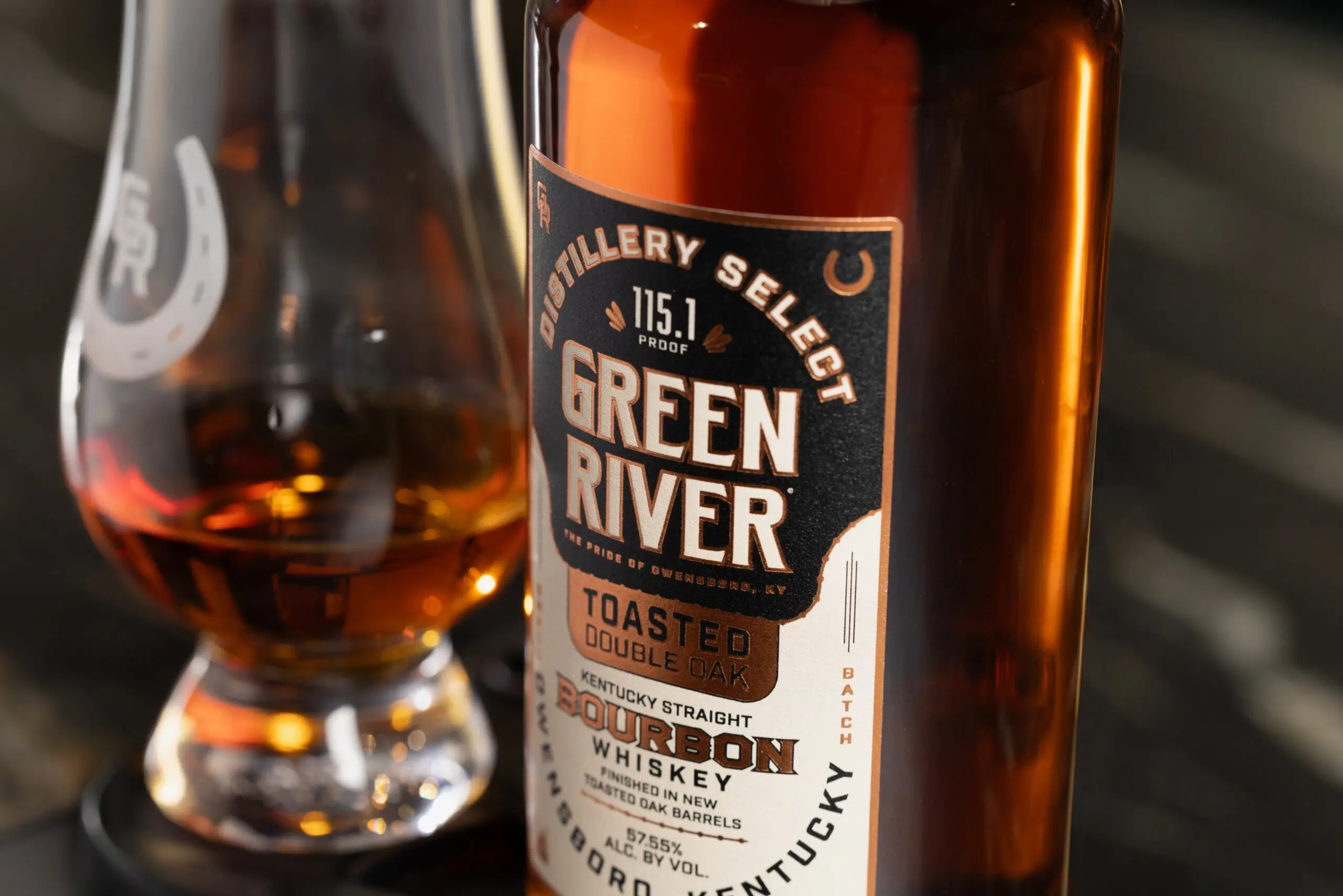
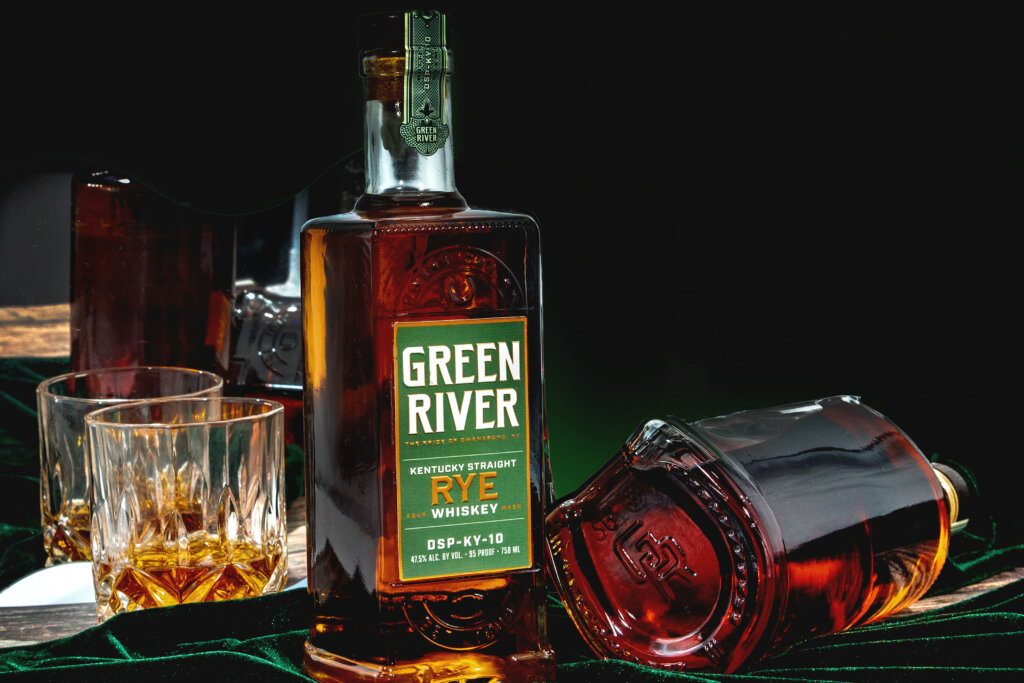
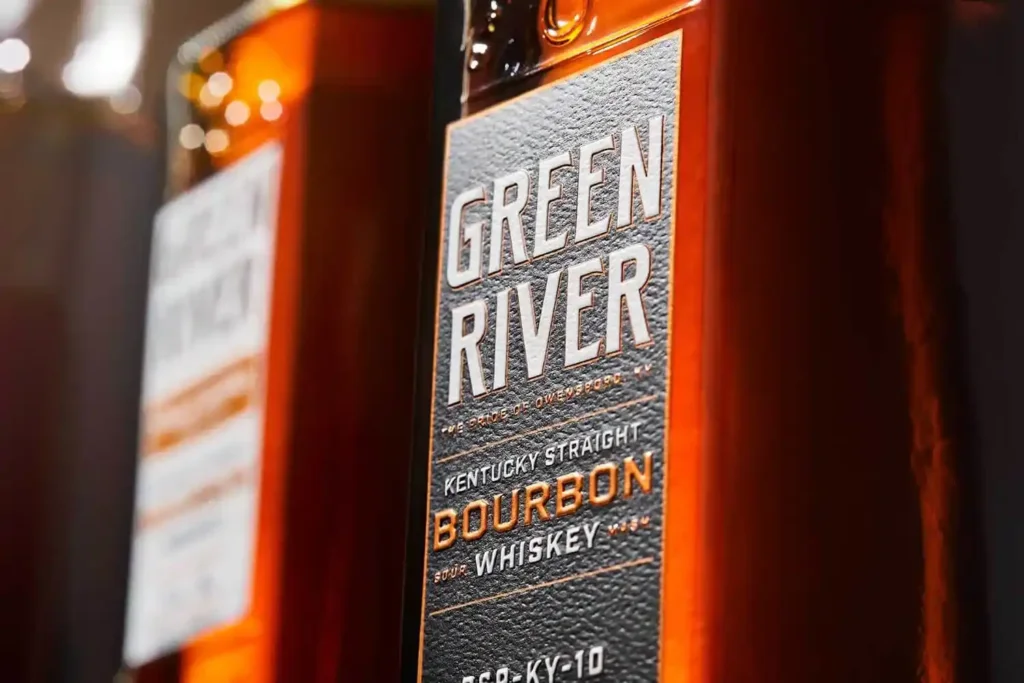
A label tells you more than you’d think. Proof measures alcohol strength, and it’s double the ABV percentage. Age tells you the youngest whiskey in the bottle. Mash bill, when listed, tells you the grain mix.
Watch for a few terms. “Straight” means aged for at least 2 years, with no added coloring or flavoring. “Bottled-in-bond” means one distillery, one season, at least four years, and 100 proof, a standard set by the TTB. “Cask strength” means undiluted, straight from the barrel. Learn those few, and you’ll spot real value fast, no marketing hype needed. That’s how we read the different types of whiskey on any shelf.
Frequently Asked Questions
What’s the difference between whiskey and whisky?
The spelling ties to the country of origin. The United States and Ireland use “whiskey.” Scotland, Canada, and Japan use “whisky.” The drink itself stays the same.
Is bourbon a type of whiskey?
Yes. Bourbon is an American whiskey made from at least 51% corn, which gives it that sweeter, caramel-forward flavor.
What does single barrel actually mean?
Single barrel means the whiskey came from one cask, bottled on its own with no blending across barrels. Each bottling carries its own character.
Which whiskey is best for beginners?
Sweeter, smoother styles work best to start. Bourbon and Irish whiskey both ease you in without overwhelming your palate.
Which Type of Whiskey Should You Pour First
New to whiskey? Start sweet. Bourbon and Irish whiskey both go down easy and won’t scare you off. From there, branch into rye for spice or Scotch for smoke once your palate settles in.
Match the style to the moment. A smooth bourbon suits a quiet evening. A punchy rye holds up in a cocktail. And there’s no wrong way to drink it, neat, on the rocks, or mixed. Swing by our tasting room and try a few side by side.
The different types come down to grain, place, and barrel. Once you’ve got that, the shelf stops looking scary. Pick a bottle that fits your taste and your budget, and pour with confidence.
Explore our range and begin your exploration into the spirit.