You’re standing in the whiskey aisle. Scotch on one shelf, bourbon on another, something called single malt sitting up top with a price that makes you flinch, and it all blurs together. The labels don’t help, and the prices help even less. So let’s sort it out in plain terms. Scotch and whisky aren’t two rival drinks fighting for your wallet. Scotch is whisky; it comes from one country and follows one set of rules, and that’s the whole story.
This blog includes everything that you need to know about whiskey and scotch: the family tree, the spelling split, the regions, the grains, the flavors, and how to pour a glass without turning it into a research project.
Whiskey Is the Big Family, Scotch Is One Cousin
Think of whiskey as the last name. Everyone in the family shares it. Scotch is the cousin who lives in Scotland. That’s the difference between Scotch and whisky at its core. All Scotch is whisky, but not all whisky is Scotch. Bourbon and rye pull up chairs at the same table, made in America under American rules. Once you see it that way, the shelf stops feeling like a maze.
Whiskey vs Whisky: That Missing “E”
The spelling isn’t a typo. Scotland and Japan drop the “e” and write whisky. America and Ireland keep it and write whiskey. That one letter tells you where the bottle was born, and nothing else. It says nothing about quality, price, or taste.
A good whisky and a good whiskey both earn their spot in the glass, not on the label.
Where They Come From: Scotch Whiskey Origin and Regions
The Scotch whisky origin rule is short. For a spirit to be called Scotch, it should be made in Scotland. That’s the law, no exceptions. Whiskey gets made all over the map in Kentucky, Ireland, Japan, Tennessee, and plenty of places in between. Scotch stays locked to one country while the rest of the whiskey world keeps spreading.
The Scotch Regions That Shape the Flavor
Scotland splits into five main regions: Speyside, Highlands, Lowlands, Islay, and Campbeltown. Each one leaves a fingerprint on the pour. Islay whiskies are lean, smoky, and heavy with peat. Speyside runs mellow, often fruity.
Geography does the flavoring here. The water, the air, the local habits all end up in the bottle. For a deeper read, check the Scotch Whisky Association.
Grains and Rules That Set Them Apart
Grain is where these two split hard. Scotch leans on malted barley. Bourbon must be at least 51% corn by law, which is why it tastes sweeter.
The barrels differ too. Bourbon must age in new charred oak. Scotch usually goes into reused casks, often those that previously held bourbon or sherry. Scotch also carries a minimum three-year aging rule.

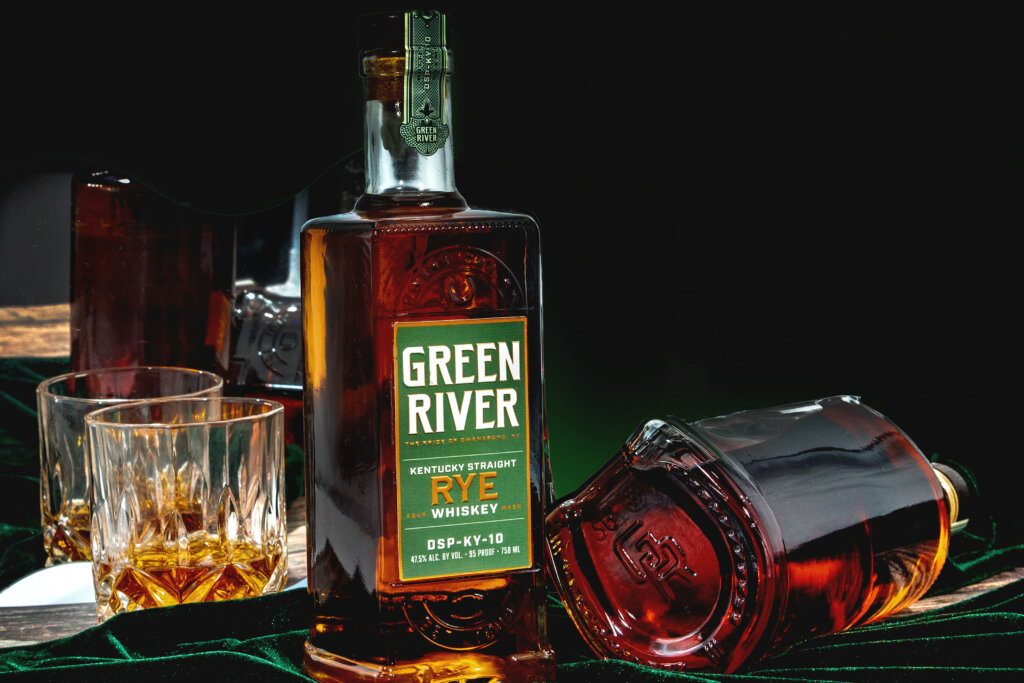
Kentucky Straight Rye

Full Proof Bourbon

Cask Strength
Single Barrel
Scotch Types Worth Knowing
Scotch types sound fancy but break down fast. Single malt comes from a single distillery and is made from malted barley. Single grain also comes from one distillery but uses other grains. Blended scotch mixes malt and grain whiskies from different distilleries. Blended malt combines single malts from more than one distillery, with no grain whisky in the mix. That’s the whole list.
How They Taste and How We Pour Them
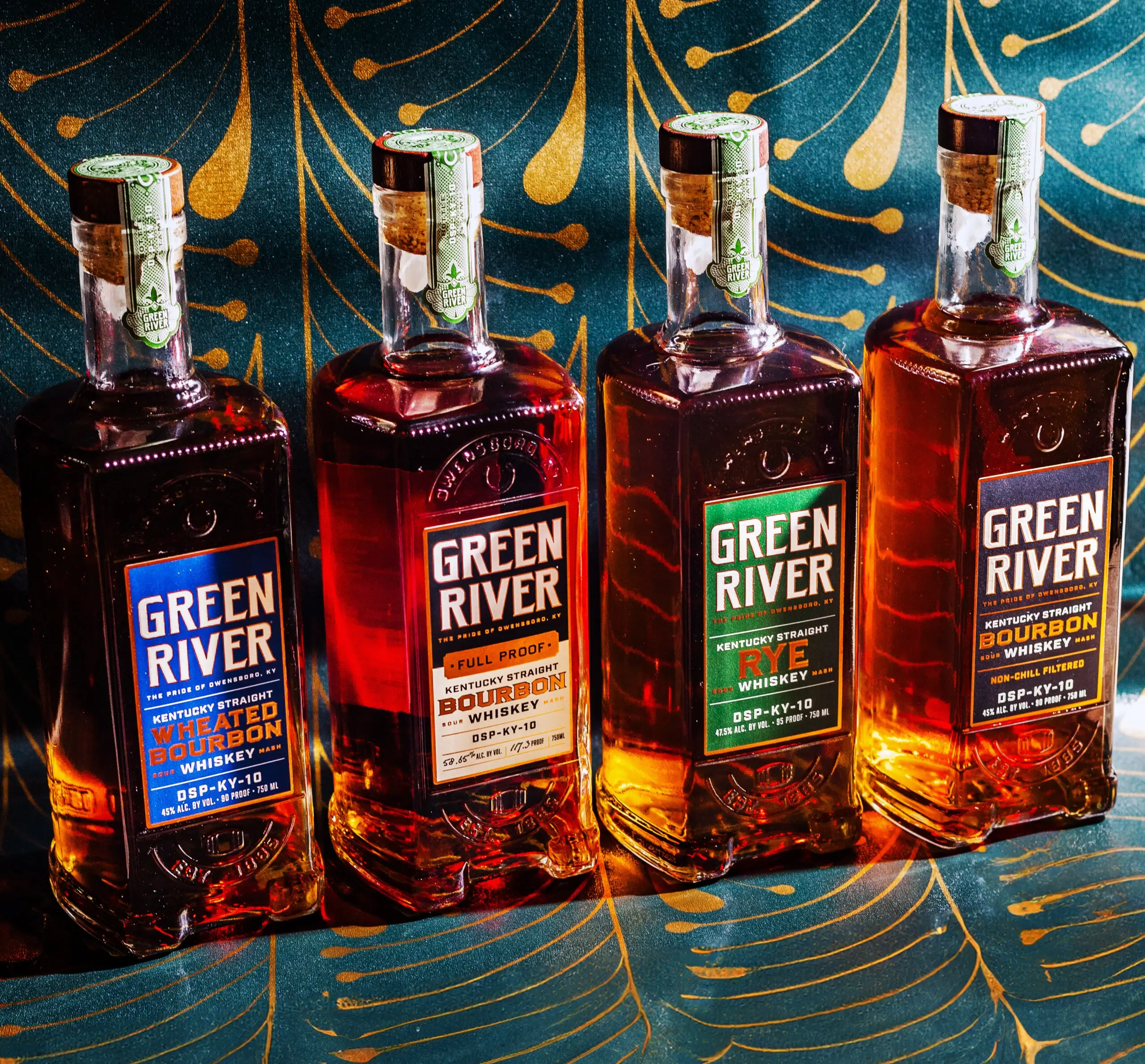
Scotch tends toward smoky, peaty, and sometimes fruity, depending on where it’s from. Bourbon runs sweeter, with caramel, vanilla, and oak up front. Both drink well neat, take ice well, and hold their own in a cocktail.
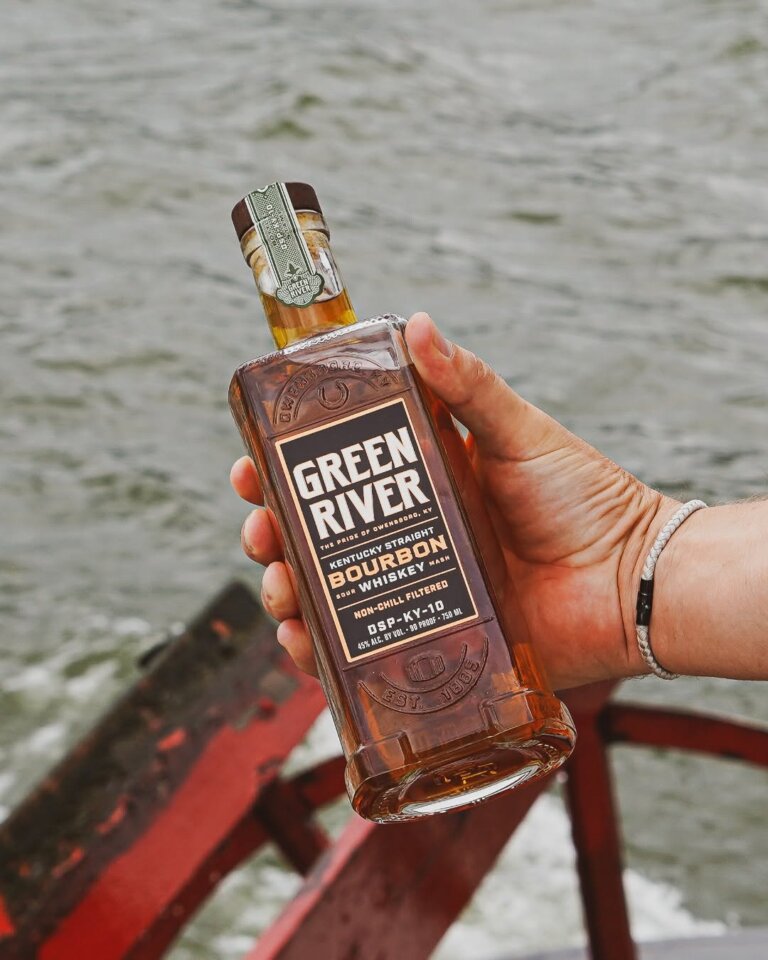
New to all this? Start with our bourbon. The sweetness makes the first pour easy. Then wander over to a mellow Speyside when you’re ready. There’s no wrong order here, and you should pour what you like.
Frequently Asked Questions
Is scotch a type of whiskey?
Yes. Scotch is a regional style of whisky made only in Scotland. It sits under the wider whiskey umbrella right alongside bourbon and rye.
What’s the main difference between scotch and bourbon?
Grain, location, and aging. Scotch uses mostly malted barley, comes from Scotland, and ages at least three years in reused casks. Bourbon uses at least 51% corn, is made in America, and ages in new, charred oak.
Why is scotch spelled “whisky” without the “e”?
The spelling ties to the country of origin. Scotland and Japan write whisky. America and Ireland write whiskey.
Is scotch stronger than bourbon?
Not by default. Both are usually bottled around 80 to 100 proof. Strength depends on the specific release, not the category. Full-proof bottles run higher on both sides.
Scotch and Whiskey in a Nutshell
Scotch and whiskey aren’t rivals. They’re relatives with different rulebooks. Knowing the difference makes you a smarter buyer, not a snob. And here’s the part we stand behind: fair value beats hype every time. A well-made bottle at an honest price will always outdrink a pretty label with a fat markup.
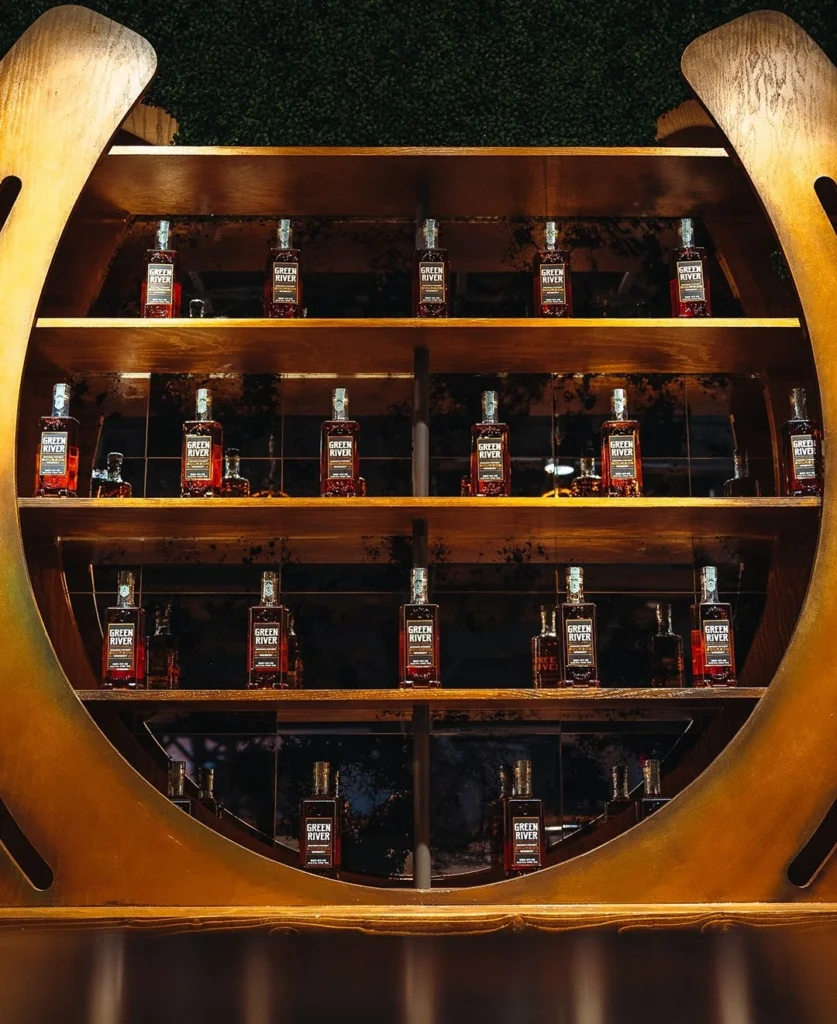
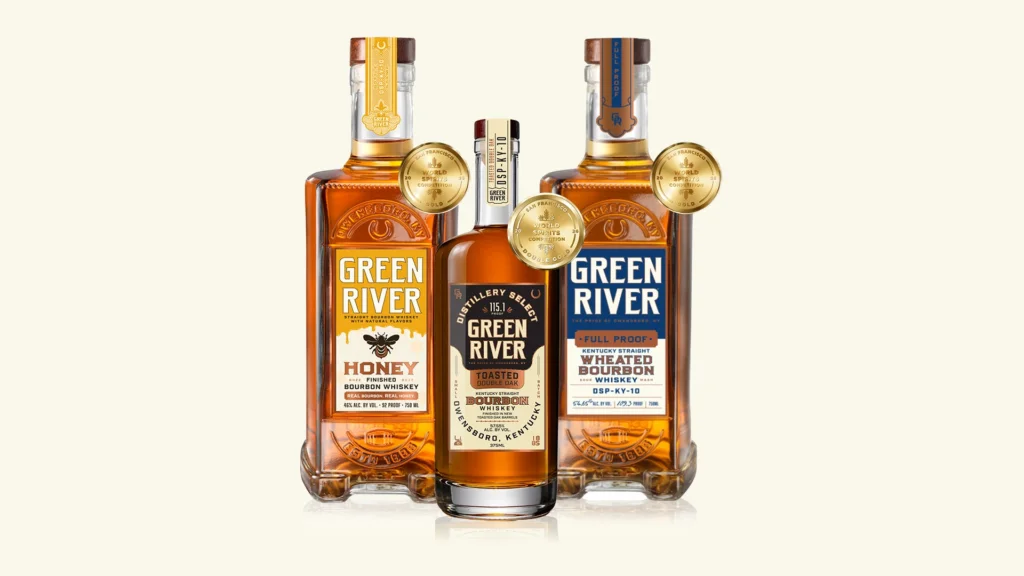
Explore the Green River bourbon range and pour one tonight.