Most people know the broad strokes of whiskey: it’s aged, it’s grain-based, and Kentucky usually comes up early in the conversation. But once we move beyond the basics, the category becomes far more interesting. Some of the most useful facts about whiskey aren’t the usual trivia pieces we hear repeated over and over. They’re the details that explain why a bottle tastes the way it does, why labels matter, and why place still plays such a huge role in identity.
By the end of this guide, we’ll walk through 27 memorable facts about whiskey compiled in a narrative format, from Kentucky’s historical roots to global standards, so the next pour feels a little more intentional.
Kentucky Roots: Why American Whiskey Feels So Distinct
A lot of what makes American whiskey feel unmistakably American begins in Kentucky. Early immigrant settlers brought stills and distilling knowledge with them, and the region’s access to corn quickly shaped what would become bourbon’s signature profile.
One of the more fascinating facts about whiskey is how closely it follows settlement history. In the late 1700s, land acts encouraged families to build cabins and grow corn, which naturally made corn one of the most practical grains for whiskey making. That agricultural foundation still echoes in today’s different types of whiskey, especially bourbon.
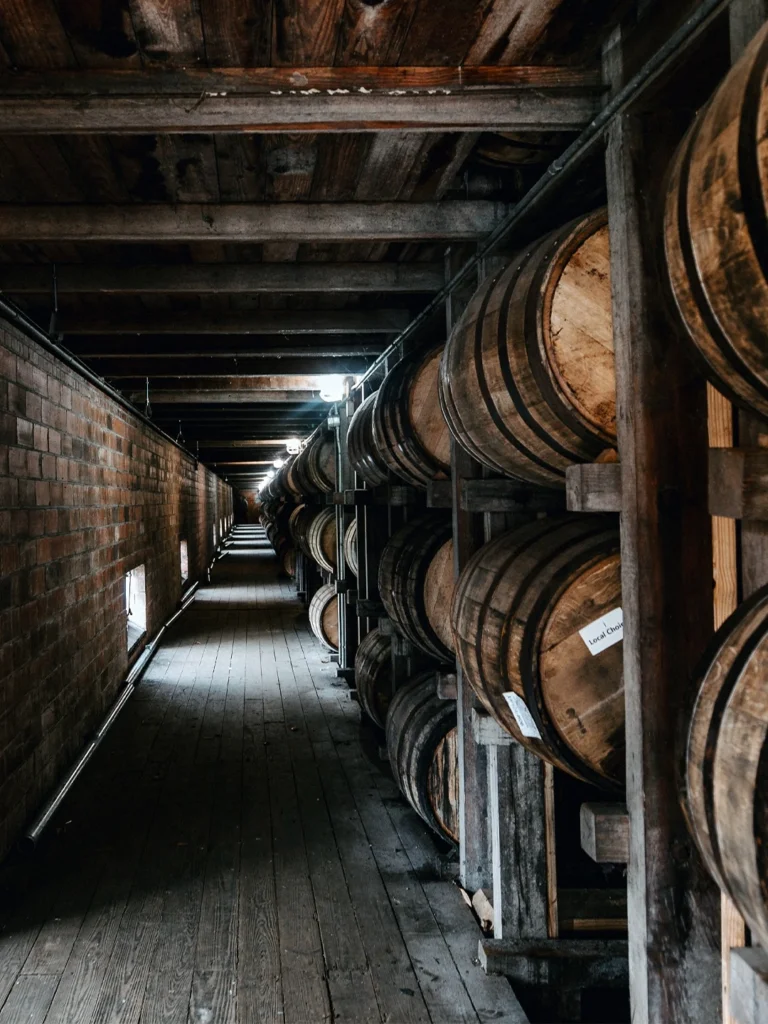
Trade routes mattered too. The Louisiana Purchase and Kentucky’s extensive waterways helped whiskey travel south, especially to New Orleans, turning a regional spirit into a larger commercial product. Today, Kentucky still dominates the conversation, with millions of barrels aging across the state at any given time.
Some of the Most Interesting Facts About Whiskey Come From How It Is Actually Made
Some of the best facts about whiskey come directly from production rules.
In the United States, whiskey must come from a fermented grain mash, be distilled below 95 percent alcohol by volume, and be bottled at no less than 40 percent ABV. Bourbon specifically must be made in the U.S. and contain at least 51 percent corn. That one number alone changes how we understand the bottle in front of us.
Another detail many casual drinkers miss is barrel entry proof. Bourbon must enter charred new oak at no more than 125 proof. That isn’t just regulatory language; it directly affects how wood sugars, vanilla notes, and spice develop over time.
The same applies across different types of whiskey. Rye must be at least 51 percent rye grain, wheat whiskey at least 51 percent wheat, and straight styles require at least two years in oak. Suddenly, the label becomes a roadmap to flavor.
Different Types of Whiskey Are More Specific Than Most Labels First Make Them Seem
It’s easy to assume these names are mostly marketing, but they’re much more technical than they first appear.
Corn whiskey, for example, must contain at least 80 percent corn. Light whiskey is distilled at a much higher proof range and aged in used or uncharred oak. Blended whiskey can vary significantly because the legal threshold is far more flexible than many people expect.
This is where understanding different types of whiskey really helps. A wheated bourbon is often softer and rounder on the palate, while a rye-forward whiskey typically leans into spice, pepper, and sharper edges. Once we understand the rules, shopping becomes far less guesswork and much more preference-driven.
 Kentucky straight bourbon
 Kentucky wheated bourbon
 Kentucky
Global Sips Show That Whiskey Is One of the Most Regionally Protected Spirits Categories in the World
Whiskey’s story doesn’t stop in Kentucky.
Scotch, for example, is geographically protected, which means it must be produced in Scotland under strict legal standards. That includes cereal grains, water, yeast, and at least three years in oak.
Canada has its own protected identity for Canadian whisky, while Japan’s labeling standards have become much more defined in recent years. These regional rules are part of what makes global whiskey culture so interesting.
It’s one of those facts about whiskey that changes how we read shelves: names often reflect legal origin and production method, not just branding.
Some of the Best Whiskey Facts About How We Read the Bottle and Taste the Pour
Sometimes the smartest thing we can do is slow down and read the label.
Proof, mash bill, and age often tell us more than prestige language ever will. Two straight bourbons can taste dramatically different simply because one leans wheated while the other is rye-heavy.
Age, legally, refers to the time spent in oak after distillation and before bottling. That simple detail makes whiskey-making feel much less mysterious and much more tangible in the glass.
Green River: How Kentucky History and Modern Whiskey-Making Meet in the Glass
This is where the bigger whiskey conversation comes full circle.
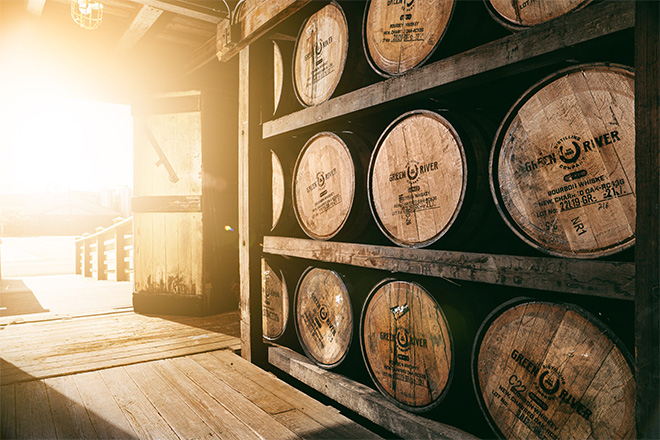
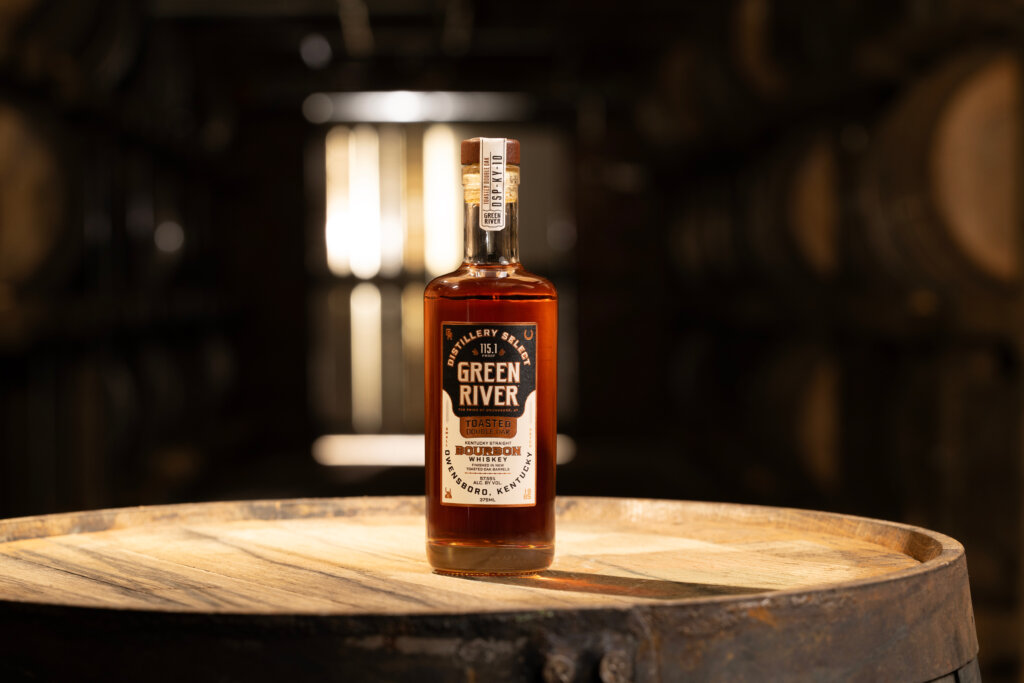
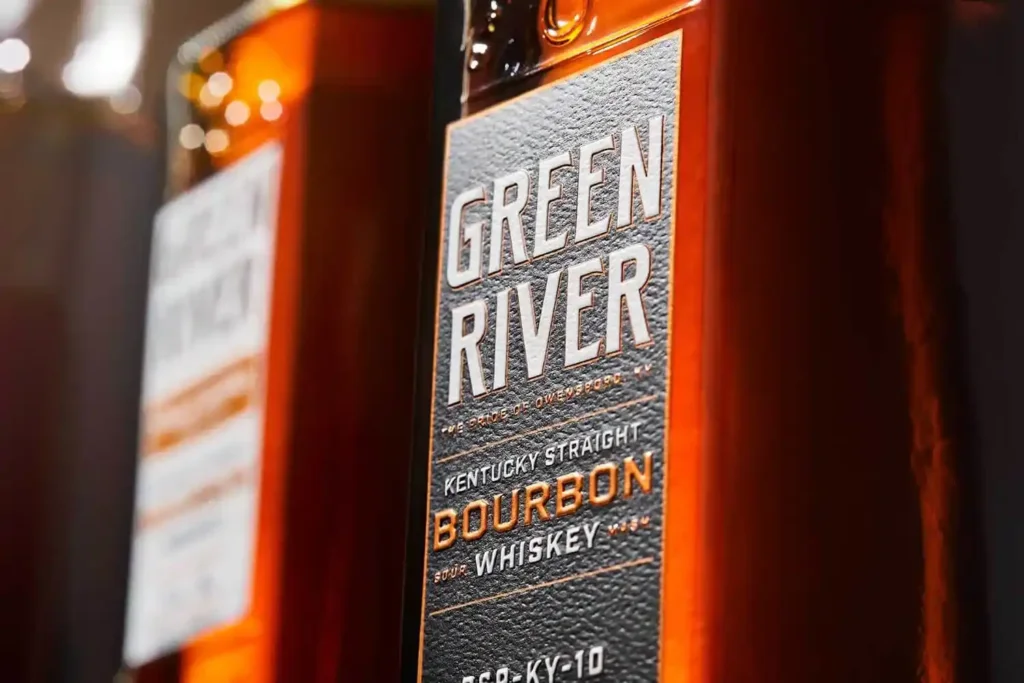
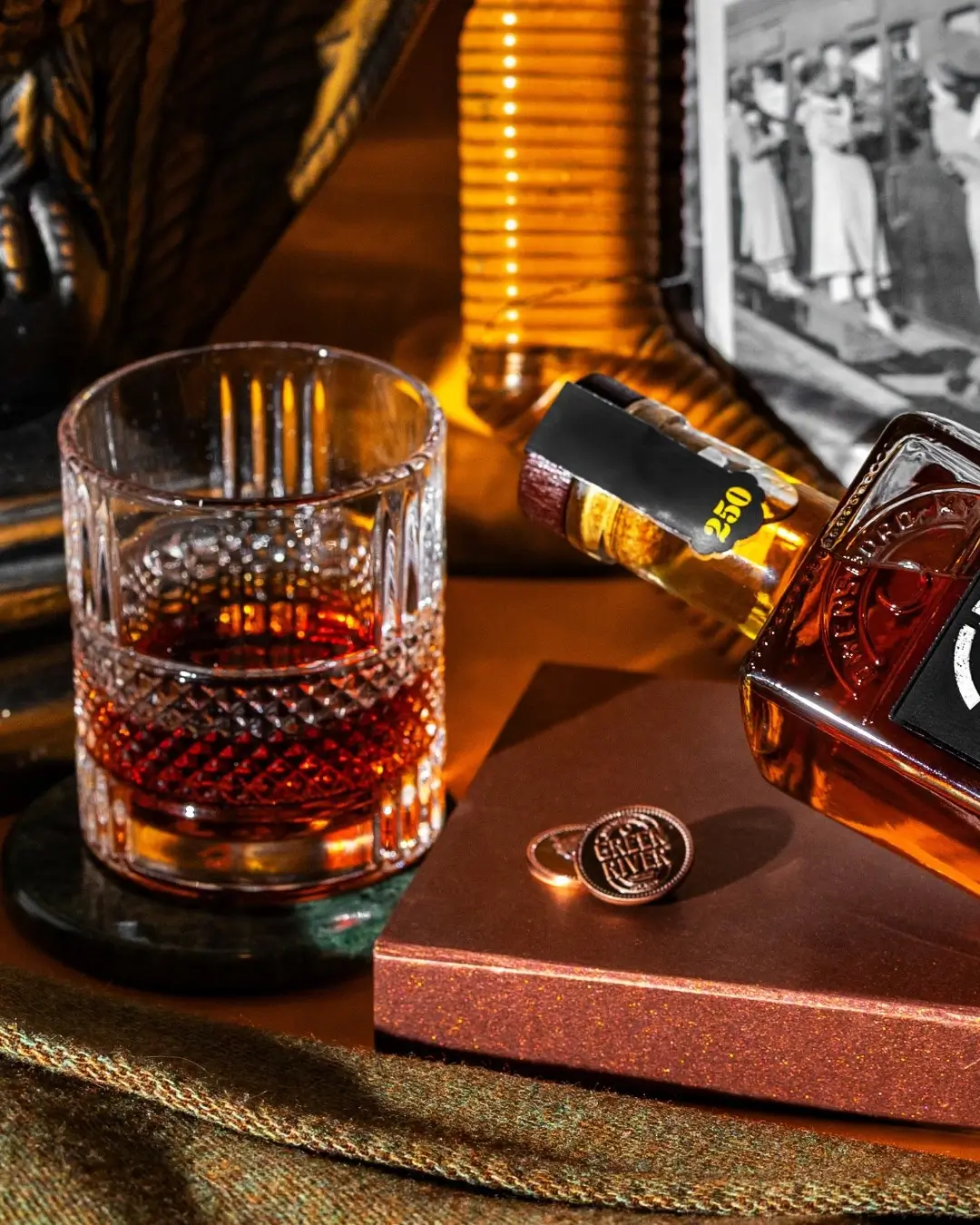
Green River offers a practical way to understand how category rules show up in real bottles. Rooted in Owensboro and made on the same grounds as the original 1885 distillery, it stands as the 10th-oldest registered distillery in Kentucky. Its whiskeys are sourced from local grains, distilled onsite, and aged onsite, making it a strong real-world example of Kentucky heritage meeting modern whiskey making.
The difference between a wheated bourbon and a rye becomes easy to understand here. One leans softer and more rounded, while the other delivers a brighter, spicier profile.
The More Facts We Know About Whiskey, the More Intentionally We Can Enjoy It
The best facts about whiskey aren’t just interesting; they make the category easier to enjoy.
Once we understand how history, grain choice, barrel rules, and geography shape different types of whiskey, every pour becomes more intentional. What starts in Kentucky naturally opens into a much bigger global story, but those roots still matter.
Ready to turn whiskey facts into a more flavorful pour? Explore Green River’s lineup and see how Kentucky heritage and grain choice come through in the glass.