Walk into any bar with a halfway decent whiskey shelf and you will hear it eventually. One person swears bourbon and Tennessee whiskey are the same drink wearing two labels. The next one swears they have nothing in common. The argument never fully settles, and that is half the fun of it.
Here is the short version. These two sit closer together than most people assume. One extra step pulls them apart, and that step gets way more airtime than it deserves. The bourbon vs tennessee whiskey debate matters less than the bar stool experts make it sound. What matters is what lands in your glass.
Let us sort it out in plain language. No jargon, no snobbery, a few facts and a little opinion.
Both Are Whiskey — Here’s Where They Start the Same
Strip off the branding and both spirits start in the same spot. Grain, water, yeast, a charred oak barrel. That is the foundation under each one.
Now here is the part that trips people up. Tennessee whiskey technically qualifies as bourbon. It hits every federal mark. Distillers in Tennessee choose to call it something else, but on paper it checks the bourbon boxes.
Both run a mash bill of at least 51% corn. Both follow the same rules. No additives. New charred oak every time. The same proof limits during distillation and barreling. So when someone asks about the difference between bourbon and tennessee whiskey, the honest answer starts with how much they share.
What Makes Bourbon, Bourbon
Bourbon can be made anywhere in the United States. Not only Kentucky. That one is a myth worth retiring.
The federal rules are plain. The mash bill needs at least 51% corn. It ages in new charred oak. There are proof marks to hit along the way. Distillation caps at 160 proof. It enters the barrel at no more than 125 proof. It bottles at 80 proof minimum. Nothing goes in but water. You can read the full federal standards at the TTB if you want the fine print.
So why does Kentucky still own the name? Limestone water, a long head start, and generations of people who got good at this. Most of the bourbon the world drinks comes from here. The bourbon vs tennessee whiskey talk tends to circle back to Kentucky, and it circles back for good reason.
What Makes Whiskey Tennessee Whiskey
Tennessee whiskey has to be made in Tennessee. Full stop. That is the first rule and it does not bend.
The second rule is the one extra step bourbon skips. State law locked it down in 2013, putting years of tradition into writing. Want to call it Tennessee whiskey? You follow the process. That is the tennessee whiskey legal definition in a sentence, and understanding what makes whiskey tennessee whiskey comes down to that single added step. The Tennessee state code spells it out.
The Lincoln County Process Explained
The extra step is the Lincoln County process. Before the whiskey ever sees a barrel, distillers filter it through sugar maple charcoal.
Timing is the whole thing. This happens before barreling, not after. The new spirit drips slowly through thick layers of charcoal. The charcoal grabs some of the heavier grain compounds and the rougher edges. What drips out the bottom is cleaner and softer than what went in. That is the lincoln county process, and it is the one thing that splits the two categories.
How the Lincoln County Process Changes the Flavor
Charcoal filtering sends a softer, mellower spirit into the barrel. That head start shows up in the finished whiskey.
You get less raw grain bite. The opening notes read smoother. Bourbon holds onto more of that grain character because it goes straight into the barrel with no filtering. Neither way is better. They taste different.
If you are new to this, here is what to expect side by side. Bourbon shows more spice, more corn sweetness, a touch more grip. Tennessee whiskey feels rounder and easier on the first sip. Pour both and you will catch the gap.
Bourbon vs Tennessee Whiskey: The Quick Comparison
For the folks who want the short version, here it is in one place.
Bourbon and Tennessee whiskey follow nearly identical rules: both need a mash bill of at least 51% corn, aged in new charred oak barrels, with no additives, and the same proof limits (distilled at or below 160, barreled at or below 125, bottled at 80 or higher). The differences are location and process. Bourbon can be made anywhere in the U.S., while Tennessee whiskey must be made in Tennessee and goes through the Lincoln County process (a charcoal filtering step) before aging. That extra step is why Tennessee whiskey tends to taste softer and mellower, while bourbon often comes across with bolder grain and spice.
Same backbone. One extra step. Different place on the map.
Our Take From Owensboro
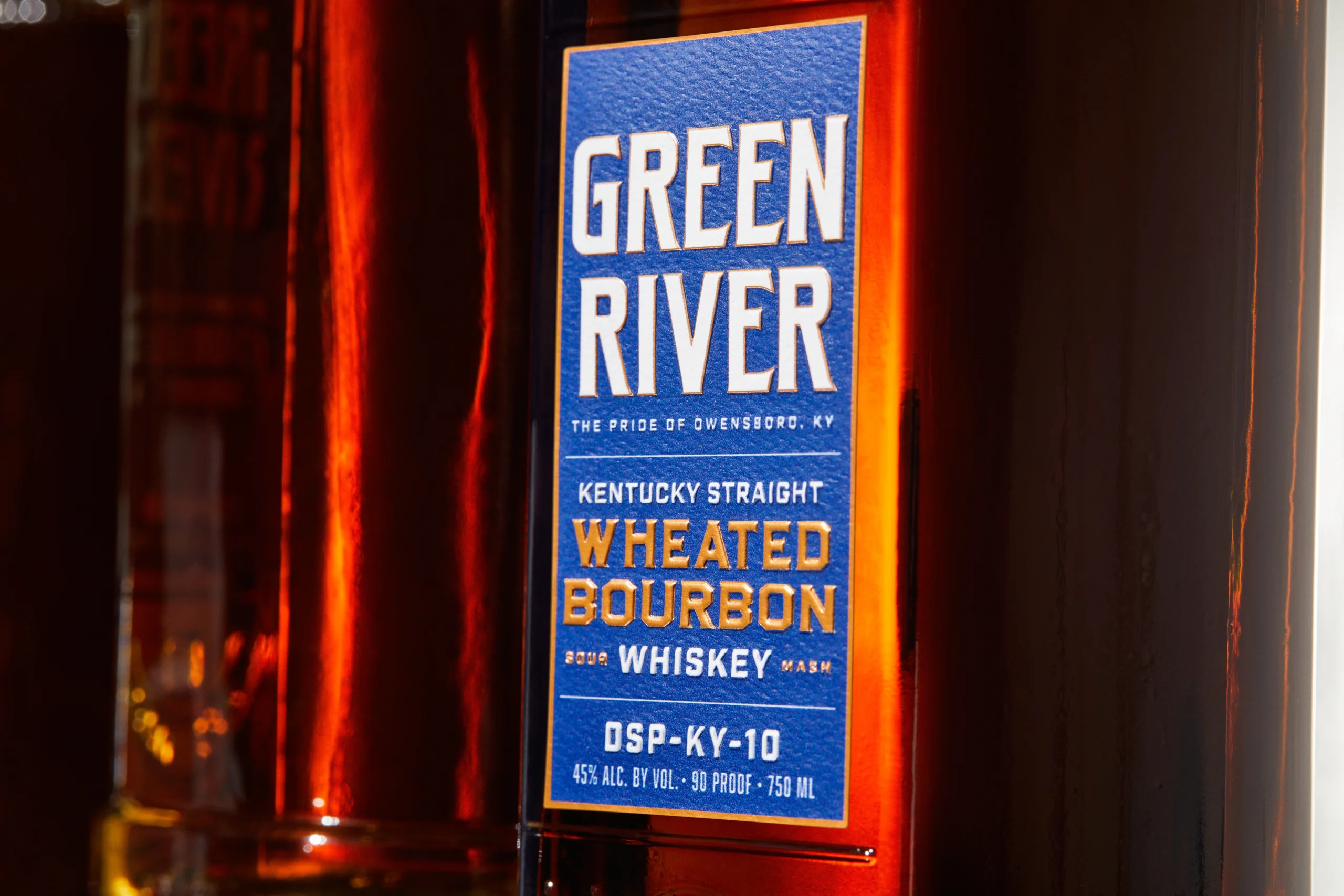
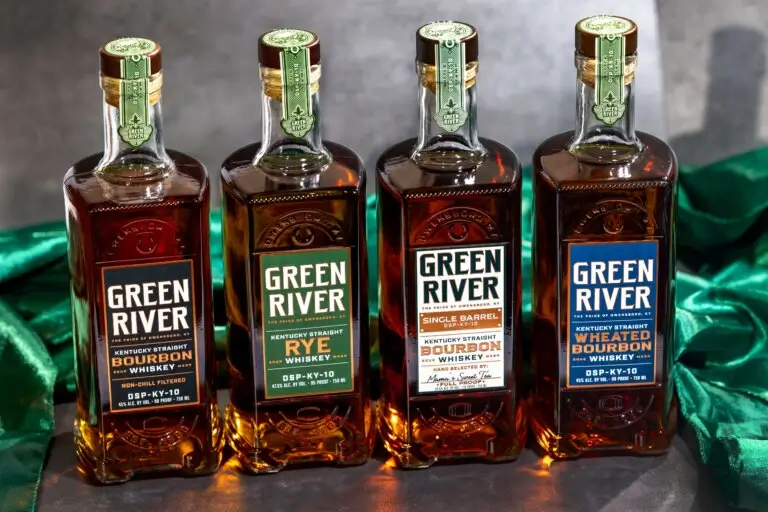
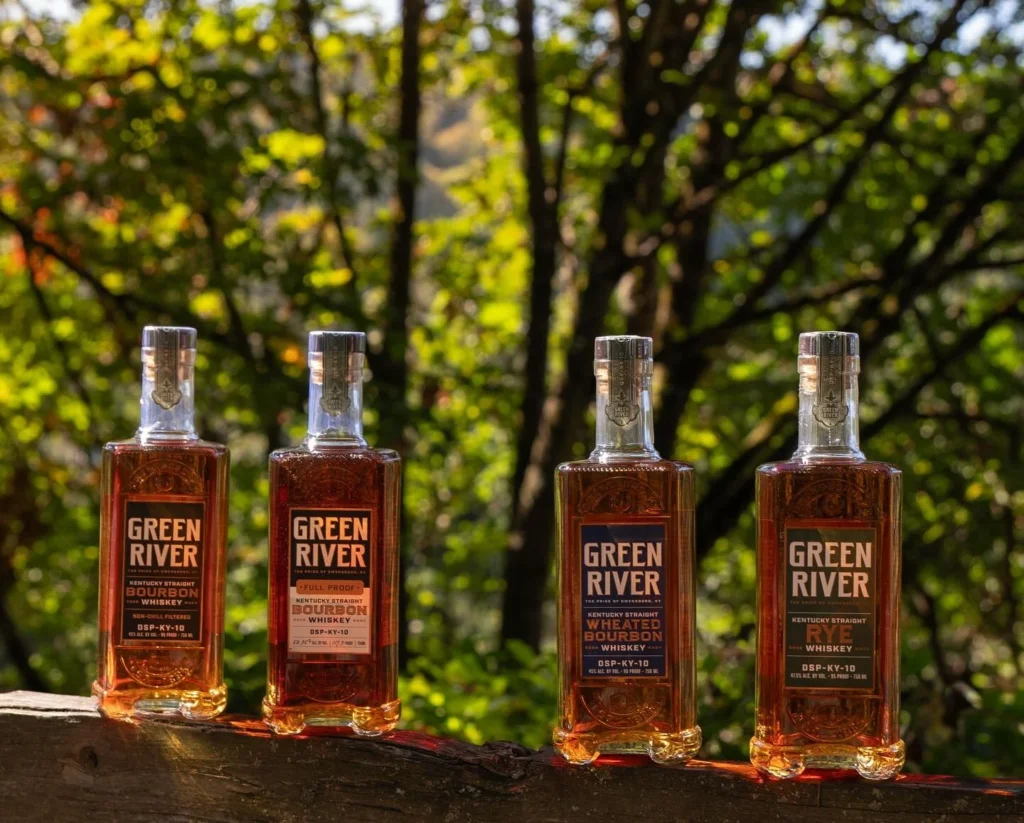
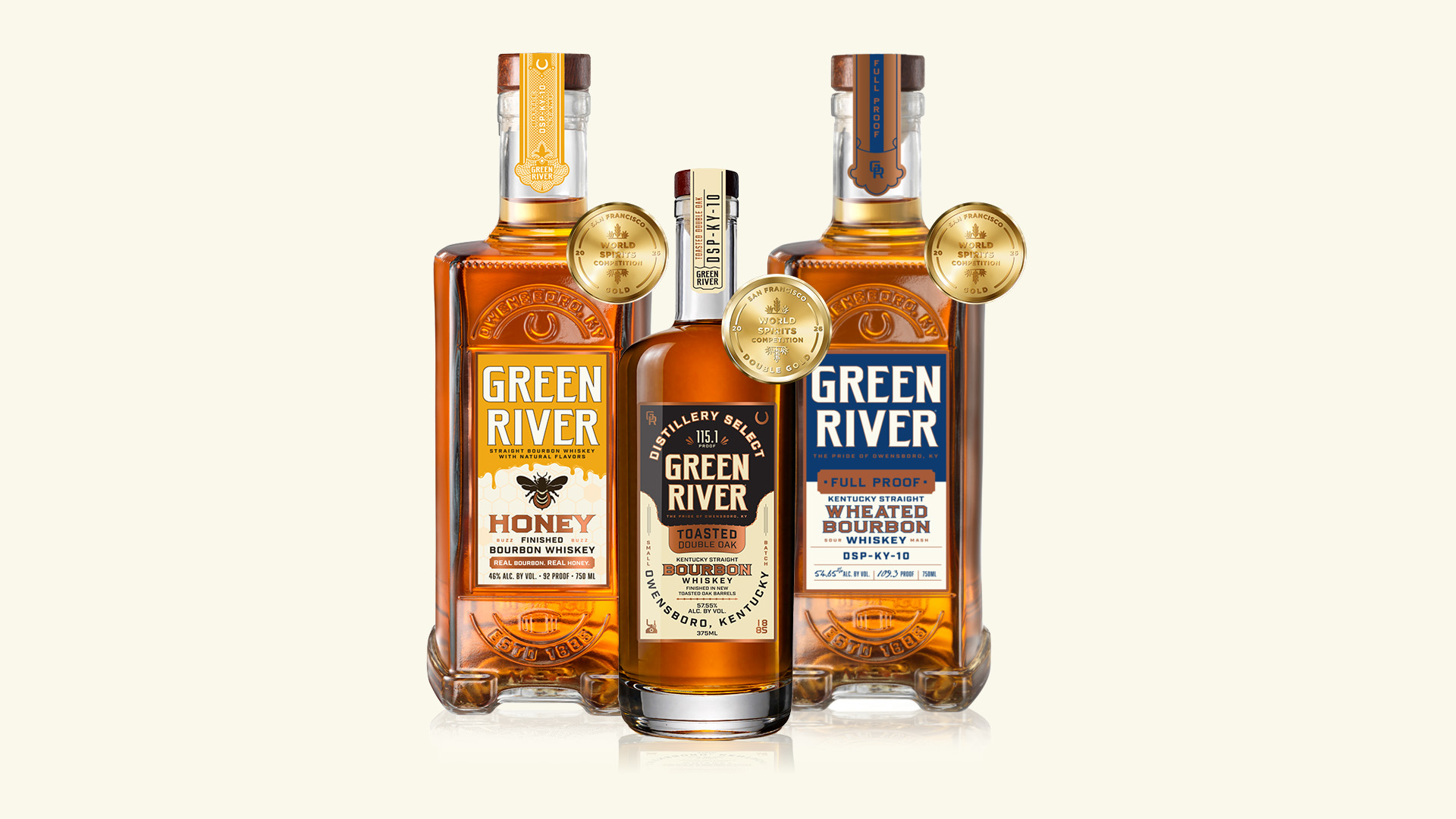
We make bourbon right here in Owensboro, so you already know where we land. Kentucky bourbon, built the way it has been built for generations, without the inflated price tag.
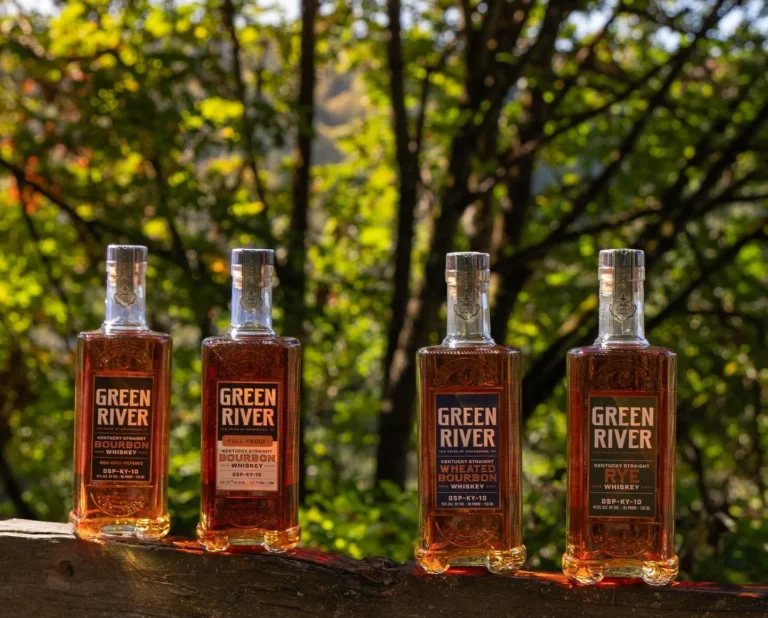
Our range covers plenty of ground. Straight bourbon, wheated bourbon, rye, single-barrel releases. Different mash bills, different proofs, different reasons to pour each one. Look through our full bourbon range and you will find something for the everyday drinker and the deep diver.
We have been at this since 1885, and production came back to its original home a few years back. If the backstory pulls you in, our distillery history page has more. The thing we keep coming back to is simple. The label matters less than what is in the glass. Bourbon or Tennessee whiskey, good whiskey earns its spot by taste, not by the wording on the front.
Which One Should You Pour?
Pick on flavor, not bragging rights. Nobody wins this argument by choosing the fancier-sounding word.
Reach for bourbon when you want bolder grain, more spice, a little more backbone. Reach for Tennessee whiskey when you want a smoother, mellow sipper that goes down easy.
Both work neat, both work on the rocks, and both hold up in a cocktail. An Old Fashioned does not care which one you use. Try each and let your own taste call it. That beats any rulebook.
Both are good whiskey, and the debate gets friendlier the second you stop treating it like a contest. Trust your palate over the fine print. If you want to test the theory, explore our range or swing by our Louisville tasting room and pour a few side by side. Drink it however you like, and drink it responsibly.
FAQs
Is Tennessee whiskey just bourbon with an extra step?
Pretty much. Tennessee whiskey meets the federal bourbon requirements, then adds the Lincoln County charcoal filtering before barreling. That one step is the main difference.
Can bourbon be made outside Kentucky?
Yes. Bourbon can be made anywhere in the United States. Kentucky makes most of it and owns the reputation, but the rules do not name a specific state.
What is the Lincoln County process in simple terms?
Distillers drip new whiskey through sugar maple charcoal before it goes into the barrel. The charcoal pulls out some rough grain notes and leaves a softer spirit.
Does Tennessee whiskey taste smoother than bourbon?
Often, yes. The charcoal filtering mellows the opening notes. Bourbon keeps more grain and spice. Smoother is not better, it is preference.