Bourbon vs. Rye Whiskey: What’s the Difference?

Somebody at the bar always asks. What’s the difference between bourbon and rye? Plenty of drinkers order one or the other for years without a clean answer. No shame in that. The answer is simpler than most bar menus make it look.
Bourbon vs rye whiskey is a family story. Both are American whiskeys. Both age in new charred oak. Both answer to the same federal rules. They have different personalities, and the grain drives most of it.
We have a stake in both. We make bourbon and rye in Owensboro, Kentucky, on the same ground since 1885. Here’s what pouring them side by side has taught us.
The Difference Between Bourbon and Rye Starts With the Grain
Every whiskey starts with a mash bill. That’s the grain recipe. Distillers cook a mix of grains, ferment it, then run it through a still. Change the recipe and the whiskey changes with it.
The core difference between bourbon and rye comes down to one number: 51%. Whichever grain makes up at least 51% of the mash picks the category. Majority corn makes bourbon. Majority rye makes rye. The rest of the recipe handles the details.
What Makes Bourbon Bourbon
Bourbon needs at least 51% corn, and most bourbons go well past that. Corn carries a lot of sugar into fermentation. That sugar shows up in the glass as sweetness and body.
Corn rarely works alone. Most bourbon recipes add malted barley to help fermentation, plus a flavoring grain. That grain is usually rye, which puts a little spice next to the sweet.
Some distillers trade the rye for wheat. That’s wheated bourbon. Wheat tastes softer and rounder. Think fresh bread and honey instead of pepper. Same category, gentler edges.
What Is Rye Whiskey?

So, what is rye whiskey? It flips the formula. Rye whiskey needs at least 51% rye grain. Some ryes sit close to that line and still taste fairly sweet. Others push toward 100% rye and drink bold and dry.
Rye grain brings spice, a drier feel, and a firmer backbone. Less sugar. More bite.
Rye also got here first, in a sense. Before Prohibition, distillers in Pennsylvania and Maryland made it the go-to American whiskey. Bourbon took the spotlight later. Rye sat on bottom shelves for decades, then made a strong comeback over the last twenty years.
The Rules Both Whiskeys Follow
Bourbon and rye share a rulebook. The federal Standards of Identity for distilled spirits lay it out. Four rules matter most.
- New charred oak. Both whiskeys age in new charred oak containers. No hand-me-down barrels.
- Proof limits. Distillers can’t distill above 160 proof or fill barrels above 125 proof. Bottles have to hit 80 proof or higher.
- Straight means two years. A “straight” bourbon or rye spends at least two years in new charred oak. Under four years, the label has to state the age.
- Made in America. Bourbon has to come from the United States.
That last one trips people up. Plenty of folks think bourbon has to come from Kentucky. It doesn’t. Distillers make bourbon in Texas, New York, and other states. Kentucky makes most of the world’s bourbon, and we’re proud of that. The law doesn’t ask for it.
Rye vs. Bourbon Taste: Sweet Corn Meets Peppery Spice
Grain matters more than most people expect. Two whiskeys with the same barrel, proof, and age still end up tasting nothing alike. The mash bill sets the starting line for rye vs bourbon taste.
The barrel does its part too. Charring the inside of the oak caramelizes sugars in the wood. Over time, the whiskey draws caramel and vanilla out of that char. Bourbon and rye both pick those notes up. The grain decides what surrounds them.
Bourbon’s Flavor Profile
Bourbon tends to lead with caramel, vanilla, and brown sugar, with toasted oak close behind. Bourbons with more rye in the mash add a pinch of cinnamon. Wheated bourbons lean toward honey and fresh bread.
The corn-heavy mash also gives bourbon a fuller, rounder mouthfeel. It coats the tongue. It feels warm and easy.
Rye Whiskey Flavor Profile
The rye whiskey flavor profile opens with black pepper and baking spice. Clove and cinnamon show up a lot, sometimes with a hint of mint or dill. A few ryes taste grassy, almost herbal.
The body runs leaner. The finish runs sharper and longer. The spice sticks around after the sip.
How to Taste Them Side by Side
Reading only goes so far. Tasting settles it. Here’s a two-glass setup for the kitchen table.
- Pour half an ounce of bourbon into one glass and half an ounce of rye into another.
- Hold each glass a little below the nose and breathe in gently.
- Sip the bourbon, then the rye. Note the sweetness, the spice, and how long each finish hangs on.
- Add a few drops of water to each glass and taste again.
Water pulls more aroma forward, especially in higher-proof whiskey. Our Kentucky Straight Bourbon and Rye make a good pair for this test.
Bourbon vs. Rye Whiskey in Cocktails

Bourbon smooths a drink out. Rye cuts through sweetness. That one idea settles most bourbon vs rye whiskey arguments behind the bar.
Old Fashioned. Bourbon’s comfort zone. Stir 2 oz bourbon, 1/4 oz simple syrup, and 2 dashes of Angostura bitters with ice. Strain over a large cube and garnish with an orange peel. Swap in rye and the drink turns drier and spicier.
Manhattan. The classic case for rye. Stir 2 oz rye, 1 oz sweet vermouth, and 2 dashes of Angostura bitters with ice for about 30 seconds. Strain into a chilled coupe and drop in a cherry. Rye keeps the vermouth from tasting syrupy. Bourbon makes a rounder, sweeter version. Nothing wrong with either.
Whiskey Sour and highballs. Both styles work, with different results. Bourbon makes a softer, richer sour. Rye makes a tarter one. With ginger ale or soda water, bourbon stays mellow and rye adds a peppery kick.
Our Old Fashioned recipe walks through it step by step.
How We Make and Pour Both
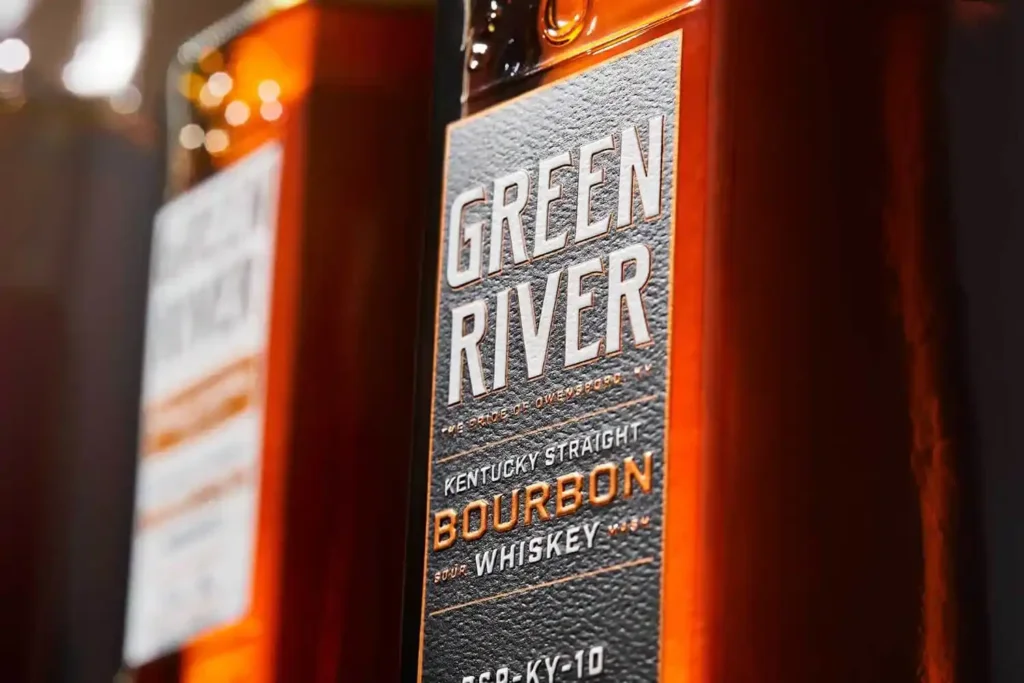
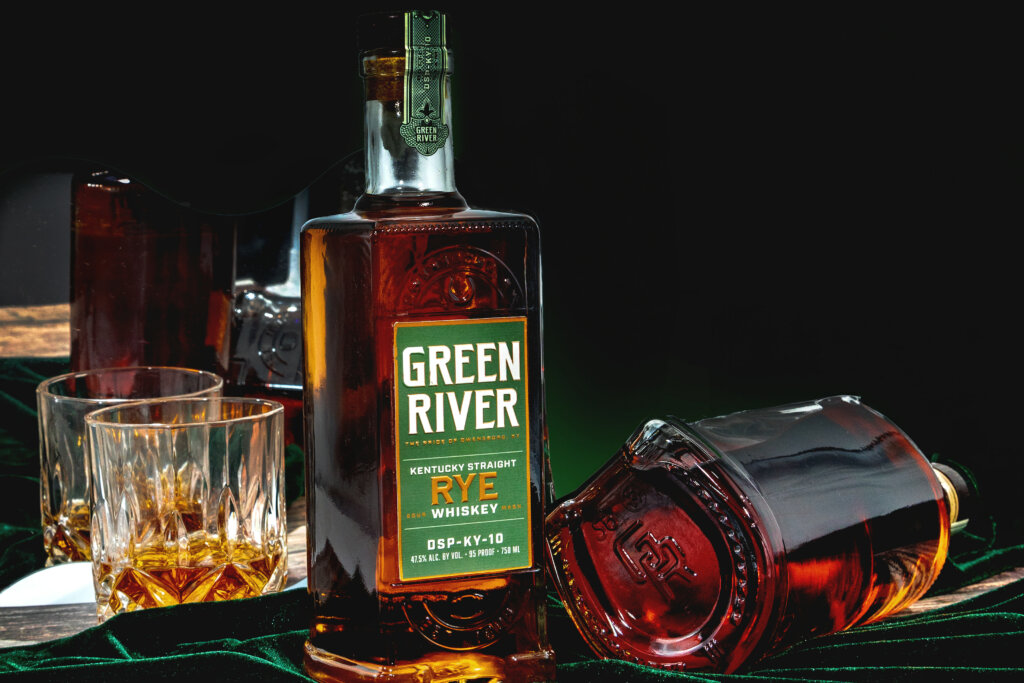
We make bourbon, wheated bourbon, and rye in Owensboro, and we like all three on the shelf together. Our Kentucky Straight Bourbon brings caramel and oak. Our wheated bourbon goes softer. Our rye brings the spice.
We price them fairly. No fancy boxes. No limited-release games. Good whiskey people can afford to drink and share.
Picking one comes down to mood:
- Sipping: wheated bourbon for something gentle, rye for something bold.
- Mixing: bourbon for an Old Fashioned, rye for a Manhattan.
- Sharing: pour all three and let the table vote.
Our Owensboro distillery and Louisville tasting room both pour comparison flights. Plan a visit and taste them in good company. For a bigger trip, the Kentucky Distillers’ Association’s Kentucky Bourbon Trail makes planning around the state easy.
Frequently Asked Questions
Is rye whiskey stronger than bourbon?
No. Proof sets strength, not grain. A 100-proof bourbon and a 100-proof rye carry the same alcohol. Check the label.
Is rye whiskey sweeter or spicier than bourbon?
Spicier. Rye leans spicy and dry. Bourbon leans sweet, thanks to all that corn.
Can I swap rye for bourbon in a cocktail?
Yes. Expect a drier, spicier drink. Plenty of classic recipes started with rye anyway.
Does bourbon have to be made in Kentucky?
No. Distillers make bourbon all over the U.S. Kentucky dominates production, but the law only requires an American origin.
Which should a beginner try first?
Both are fair game. Start with whichever sounds good. Sweet tooth? Bourbon. Like a little pepper? Rye.
That’s the short version. Bourbon brings corn sweetness. Rye brings spice. Both get caramel and vanilla from new charred oak. No wrong answer here, only preference.
The best way to settle it is to pour both side by side and decide for ourselves. Take it slow, share with friends, and drink responsibly. Try our bourbon and rye together at home, or stop by our Louisville tasting room and taste the difference in person.