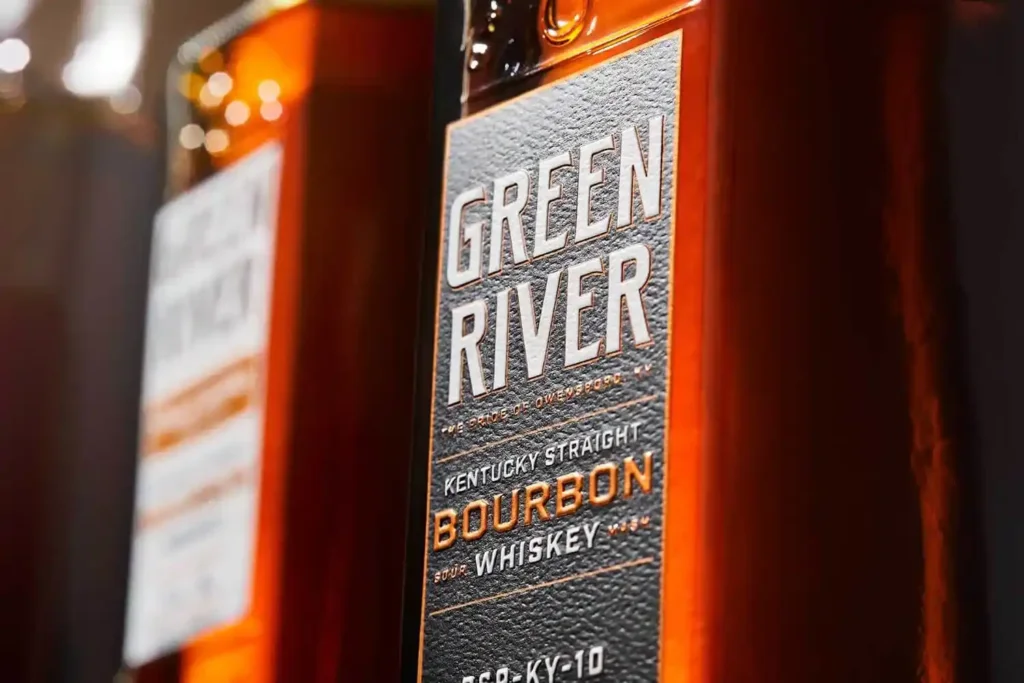
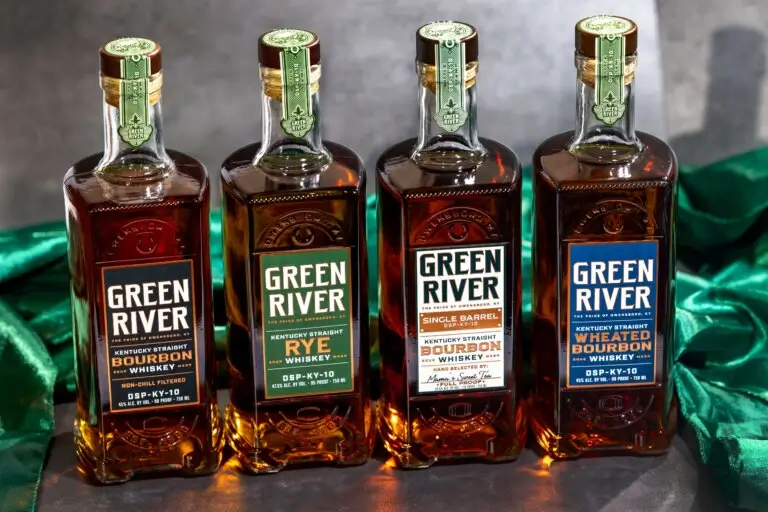
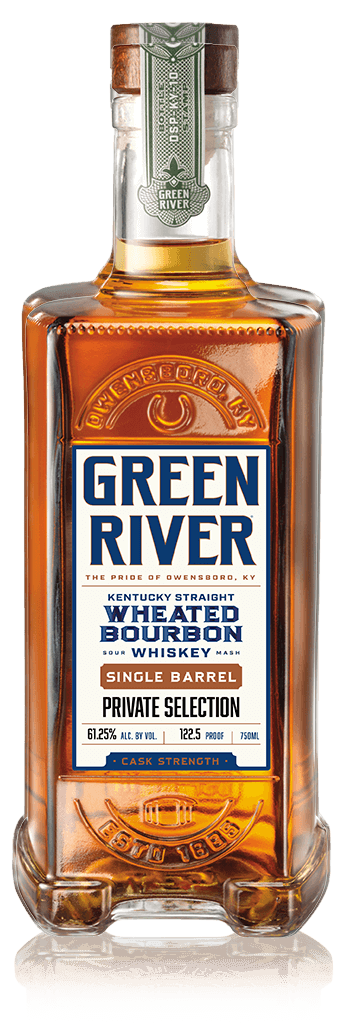
Standing in front of a bourbon shelf can feel like reading a language nobody taught us. Bottled-in-bond. Straight. Cask strength. The words sit right there on the label, but they rarely explain themselves. So we guess, grab the bottle with the coolest name, and hope for the best.
Here is the good news. These three terms show up the most, and all three mean something specific. None of it is decoration. Each one tells us what is inside the bottle before we pull the cork. The difference between straight vs bottled in bond comes down to rules, and the rules are simpler than they sound.
Let us break down bottled in bond bourbon, straight bourbon, and cask strength in plain English. No jargon. No lecture. Just what each label promises.
What Bottled-in-Bond Actually Means
Back in 1897, the government passed the Bottled-in-Bond Act. It was one of the first consumer protection laws in American history, and whiskey was the reason it existed.
The whiskey market back then was a mess. Sellers cut spirits with coloring, flavoring, and worse. A bottle labeled bourbon might have been months old and packed with additives. Buyers had no way to know what was in the glass. So what does bottled in bond mean became a federal guarantee. It told drinkers the whiskey was real, aged, and made the honest way.
That old law still earns its place on a modern label. When we see bottled in bond bourbon today, we are looking at a standard that has held up for over a century. It is a government stamp that says this whiskey met strict rules, start to finish.
The Bottled-in-Bond Requirements, Point by Point
The bottled in bond requirements are not loose guidelines. They are hard rules, and a bourbon has to clear every one.
- One distillery, one season. The whiskey comes from a single distillery and a single distilling season. No blending across years or locations.
- Four years minimum. It ages at least four years in a federally bonded warehouse under government supervision.
- Exactly 100 proof. Not 99. Not 101. Bonded bourbon gets bottled at precisely 100 proof.
- Distillery named on the label. The label names where the whiskey was distilled, so there is nothing to hide behind.
Meet all four and you earn the bonded label. Miss one and you do not. That clarity is the whole point.
What “Straight” Bourbon Means on the Label
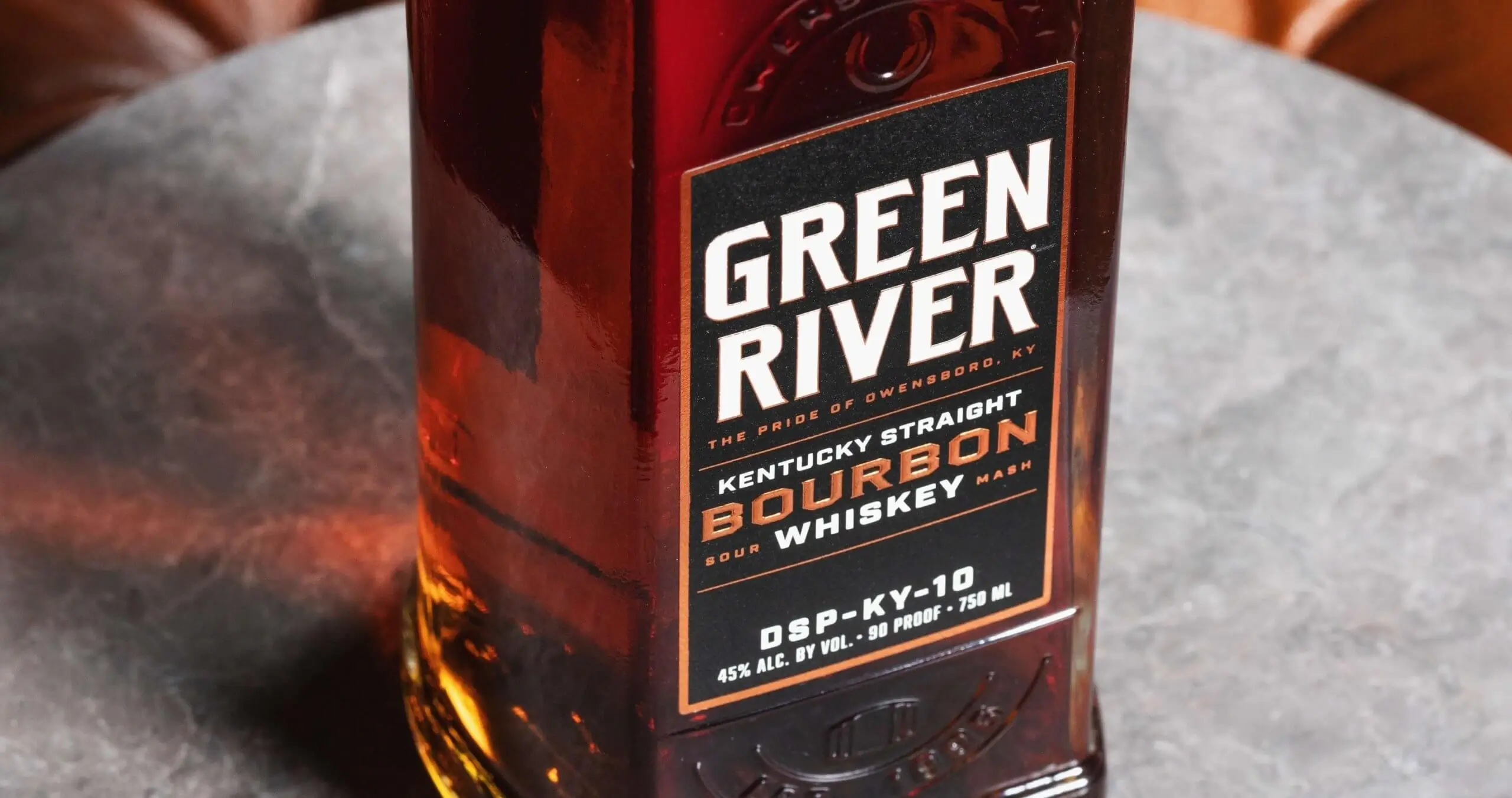
Straight bourbon has its own rulebook, lighter than bonded but still meaningful.
To call a bourbon straight, it needs at least two years in new charred oak. No added coloring. No added flavoring. No outside spirits mixed in. Plain “bourbon” has fewer guardrails, so the word straight tells us the whiskey spent real time in the barrel and arrived with its character intact.
Here is where straight loosens up. A straight bourbon can combine whiskey from multiple barrels, multiple seasons, even multiple distilleries within the same state. That flexibility is the core of straight vs bottled in bond. Straight guarantees age and purity. Bonded goes further.
Cask Strength and Barrel Proof, Explained
Cask strength is a different kind of promise. Instead of hitting a fixed number, this whiskey goes into the bottle close to how it comes out of the barrel.
Most bourbon gets watered down to a target proof before bottling. Cask strength skips most or all of that. Little to no water. What the barrel gave is what we pour.
Because barrels age differently, the proof swings from batch to batch. One release might land at 115 proof, the next at 121. You will see this called cask strength, barrel proof, or full proof. The terms mean roughly the same thing: minimal dilution and bold, concentrated flavor straight from the wood.
Straight vs Bottled-in-Bond: The Real Difference
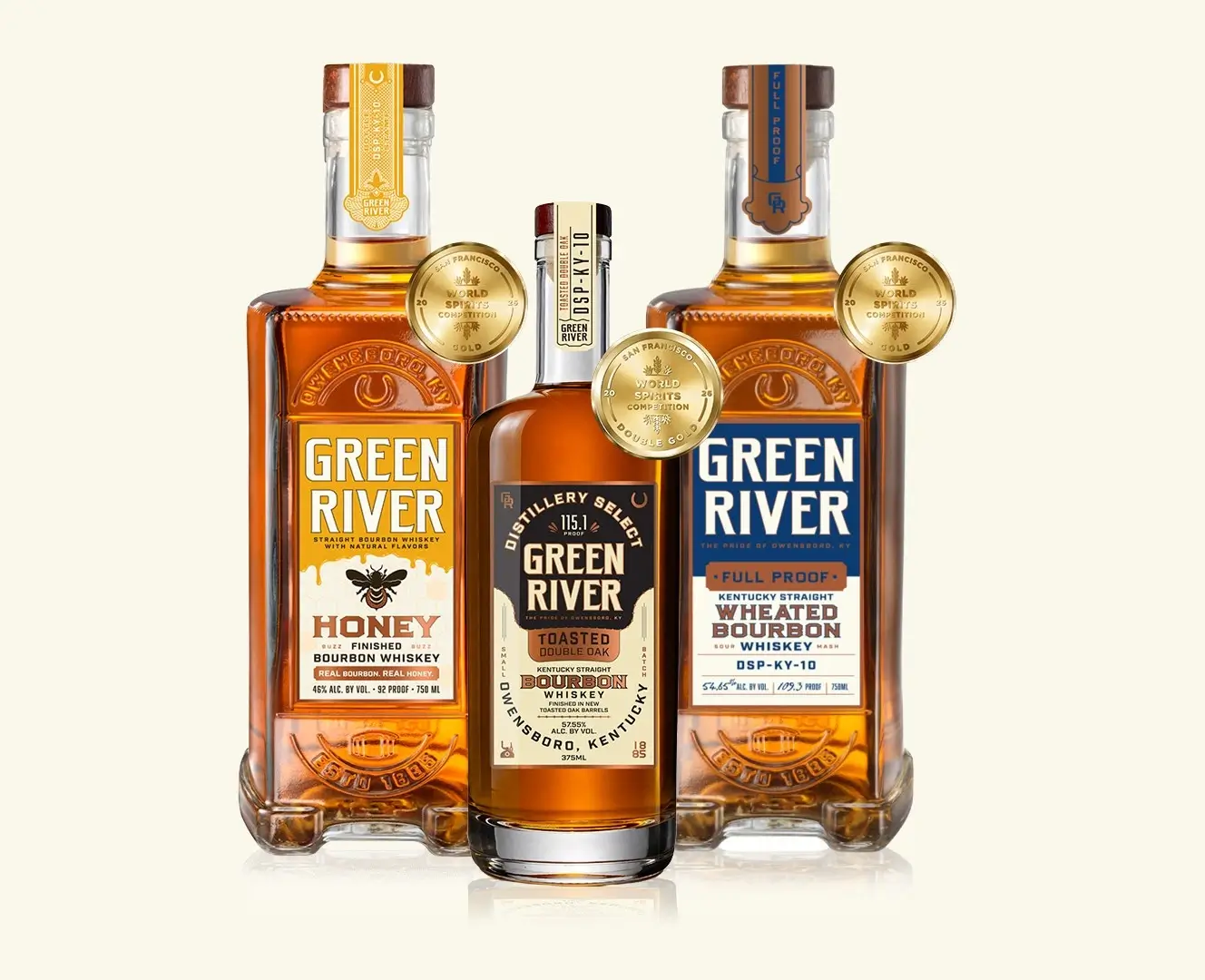
Here is the cleanest way to hold these two in your head. Every bottled-in-bond bourbon is also straight. The reverse is not true.
Bonded clears the straight bar, then adds more. Four years instead of two. Exactly 100 proof instead of any proof. One distillery and one season instead of a blend. A named distillery on the label instead of a guessing game.
Why does that matter to a buyer? Those extra guarantees mean more consistency and more transparency. With bottled in bond bourbon, we know exactly what we are getting and who made it. That is why the straight vs bottled in bond question usually comes down to how much certainty we want on the shelf.
Bonded vs Cask Strength: Two Different Promises
The bonded vs cask strength comparison is a story about two philosophies.
Bonded locks in at 100 proof, every single bottle, forever. That is consistency. We know the pour before we taste it. Cask strength does the opposite. It gives us whatever the barrel decided, which means intensity and a bolder character that shifts release to release.
They drink differently too. Bonded at 100 proof holds up neat, works over ice, and carries a cocktail without getting lost. Cask strength shines when we add a splash of water and watch the flavor open up, or when we want a cocktail with real backbone. One is dependable. The other is an adventure.
Quick-Reference Comparison Table
- Bottled-in-Bond: 100 proof, 4 years minimum, single distillery and season, no water variation. Best for honest value and reliable pours.
- Straight: any proof, 2 years minimum, can blend sources and seasons, water added to target. Best for everyday sipping and mixing.
- Cask Strength: barrel proof (often 110 to 130), varies by release, single or batched barrels, little to no water. Best for tinkering and full flavor.
Which One We’d Reach For and When
It depends on the night.
For honest value and a pour we can trust every time, we reach for bonded. It is the no-surprises choice, and 100 proof gives us real flavor without drowning it. Our bottled-in-bond lives here, made at our Owensboro distillery to that exact standard.
For everyday sipping and cocktail range, straight bourbon is the workhorse. It mixes well, drinks easy, and leaves room to experiment.
For the nights we want to tinker, cut it our own way, and chase the fullest flavor, cask strength wins. Our full-proof release is built for exactly that kind of curiosity.
We make all three styles in Owensboro, so there is something on the shelf no matter which promise we are after. Browse the whole lineup and pick the one that fits your pour. For the fine print, the TTB Bottled-in-Bond Act reference and the federal bourbon standards lay out every rule in full.
There is no wrong answer here. Bonded, straight, and cask strength are not better or worse than each other. They are different promises printed on different labels.
Once we know what those words mean, the label becomes a shortcut. One glance tells us the proof, the aging, and the kind of experience waiting inside. That is the whole trick. Read the label, know the pour.
Explore our full Owensboro range or stop by the Louisville tasting room to taste all three for yourself. Please enjoy responsibly.
Frequently Asked Questions
Is bottled-in-bond bourbon better than straight bourbon?
Not automatically. Bonded follows stricter rules around age, proof, and single-source production, but stricter does not always mean better tasting. Those extra guarantees cover consistency and transparency, not your flavor preference. Plenty of straight bourbons taste as good or better. It comes down to what you want from the pour.
What proof is bottled-in-bond bourbon?
Always exactly 100 proof. No exceptions. The 1897 law fixed that number, and every bonded bourbon has to hit it precisely to earn the label.
Can a bourbon be both bottled-in-bond and cask strength?
No. Bonded requires exactly 100 proof, and cask strength means bottling at whatever the barrel gives, usually well above 100. The fixed proof rule rules the combination out. A bourbon is one or the other, never both.
How long is bottled-in-bond bourbon aged?
At least four years in a federally bonded warehouse. That is double the two-year minimum required for straight bourbon, which is one more reason bonded carries extra weight on the shelf.